
Smith Optics Snowboard Gear Review for Beginners 2026
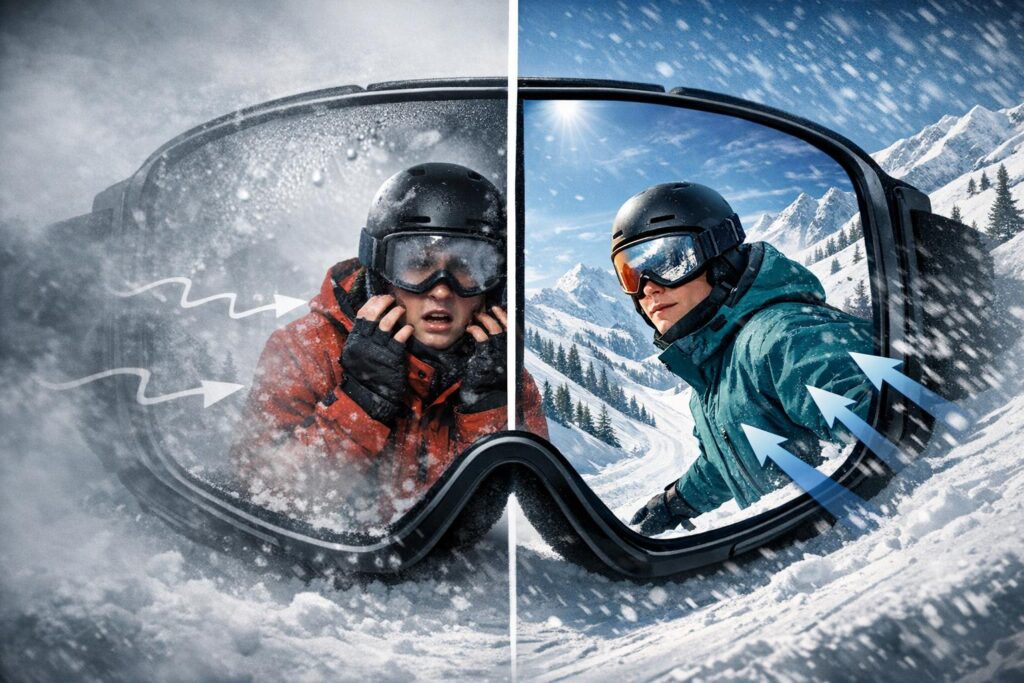
Are Smith Optics Goggles Beginner-Friendly, or Just Another Expensive Snowboard Upgrade?
You are standing at the top of a green run that everyone promised would feel easy. It is not steep. It is not icy in any dramatic movie-scene way. But your goggles are fogging, the snow has turned into one flat white sheet, and every little dip in the terrain feels like a surprise you are discovering too late.
So you lift the frame. Wipe the lens. Put it back down. Fog again.
That is the moment this smith optics snowboard gear review is really about. Not looking advanced. Not matching the coolest rider in the lift line. Just being able to see enough to make the next turn without tensing your whole body.
What you actually want is simple: clearer snow texture, less fog drama, a frame that does not fight your helmet, and a buying decision that does not make you feel like you overspent before you even know if you love snowboarding.
Best for
- Beginners who struggle with foggy goggles during slow, stop-start runs
- Riders who feel nervous in flat light or changing snow conditions
- Women and smaller-face riders who are willing to check fit carefully
- Beginners who would rather pay more for clearer vision than keep fighting cheap goggles
Not ideal for
- One-day-a-year riders who only need the cheapest functional option
- Shoppers who have not tested helmet compatibility or face gaps
- Anyone looking for a full snowboard setup from one brand
- Riders expecting better goggles to fix wet face coverings, blocked vents, or poor layering habits
If you already know visibility is the problem you want to solve, you can price-check Smith here:
If you are still building your full kit, start with how goggles fit into a full beginner snowboard gear setup before spending heavily on any single piece.
Quick Verdict: Smith Optics Is Worth a Look If Visibility Is Your Biggest Beginner Problem
Smith Optics makes the most sense when you evaluate it as a snow-visibility and protective gear brand, especially around goggles, lenses, and helmet-goggle fit. That matters because beginners do not usually need the most technical setup on the mountain. They need gear that removes friction from learning.
The easiest way to decide is to ask this: are your goggles helping you learn, or are they becoming one more thing you have to manage?
If you ride several days a season and keep running into fog, flat light, or a bad fit around your helmet, Smith can be a smart upgrade category to investigate. If you are taking one lesson, borrowing a jacket, and trying to keep the trip affordable, budget goggles may still be enough.
Think of it like buying running shoes. The question is not whether the premium shoe is good. The question is whether your problem is grip, support, sizing, or simply that you only jog twice a year. Goggles work the same way. Buying by brand alone is less useful than knowing the problem you need solved.
A realistic example: one beginner rides three weekends per season. Her rental-day goggles fog every time she stops to wait for friends, and she starts avoiding longer runs because she hates not seeing terrain changes. For her, better optics can buy comfort and confidence. Another rider takes one sunny-day lesson and may not snowboard again until next winter. For her, premium goggles may be too much, too soon.
The common objection is: do beginners really need better goggles? Not always. But if poor visibility is the reason you are riding stiff, stopping constantly, or feeling unsafe on mellow terrain, goggles are not a vanity upgrade. They are part of the learning environment.
Why Goggles Can Make or Break a Beginner Snowboard Day
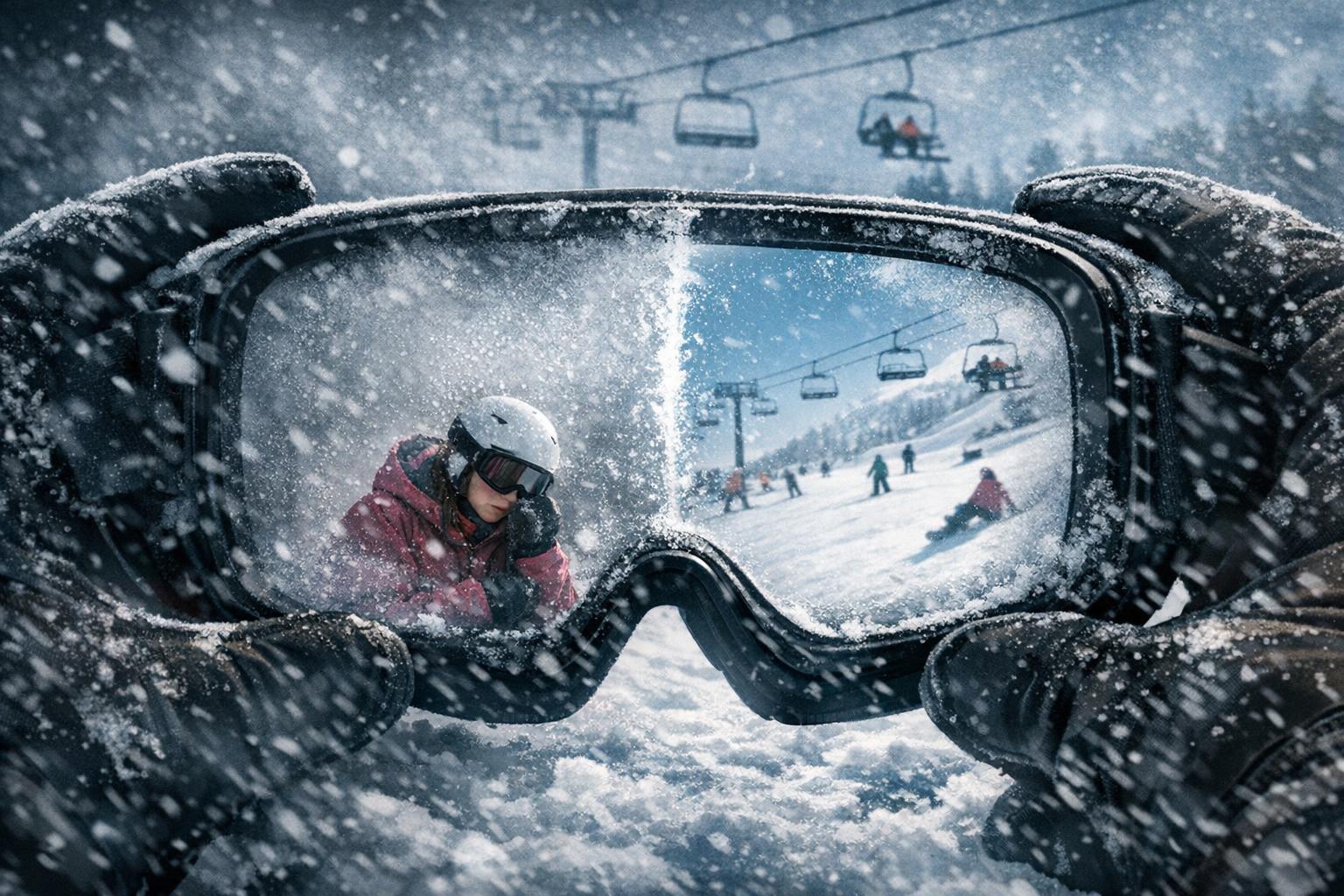
Foggy goggles are not just annoying. For a beginner, they can change the emotional temperature of the entire day.
On easy terrain, visibility is how you judge speed, slope shape, snow texture, and where to turn. When the light goes flat, the surface can look textureless. When glare hits, your eyes work harder. When snow spray sticks to the lens, you hesitate. When you keep lifting your goggles to wipe them, warm breath and moisture can make the fog cycle worse.
That is why goggles are the windshield of your snowboard day. If the windshield fogs, the whole drive feels stressful, even if the road is technically safe.
Here is the beginner version: you are linking cautious turns, then the snow suddenly looks like a blank white sheet. You cannot tell where the little piles are. You stop more often. Your legs get tired from bracing. You assume you are just bad at snowboarding. But the real issue may be that your eyes are not getting enough useful information.
For an intermediate rider, better optics can mean staying comfortable longer as weather changes. For a more advanced gear buyer, this is where lens contrast, ventilation design, replacement lens options, and helmet-goggle integration become worth comparing model by model.
A mini scenario: Maya takes her second snowboard lesson on a cloudy afternoon. The slope is gentle, but her goggles fog whenever the group stops for instruction. She lifts them to listen, pulls them down to ride, and then cannot see the rollers in the snow. By lunch she is embarrassed, cold, and convinced she is falling behind. Her instructor notices the forehead gap between her helmet and goggles and tells her the fit is probably making things worse. The next weekend, she focuses on fit and ventilation instead of color. The riding still takes effort, but the panic drops.
The objection is fair: is visibility really that important on beginner slopes? Yes, because beginners have less automatic balance and less terrain-reading experience. Anything that makes the snow harder to read makes learning feel harder than it has to be.
Before upgrading goggles, it is also worth checking broader beginner snowboard gear priorities, because warmth, helmet comfort, and dry layers all affect fog and confidence too.
What Smith Optics Is Really Selling Beginners: Clearer Vision, Not a Full Snowboard Setup
Smith Optics should not be judged like a full snowboard gear brand selling you every piece from boots to bindings to pants. For beginners, the real reason to consider Smith is narrower and more practical: clearer vision, face protection, and compatibility within the snow-optics category.
That distinction matters. Goggles solve a different problem than boots. Boots connect you to the board. Outerwear keeps you warm and dry. A helmet protects your head. Goggles protect your eyes and help you interpret the snow in front of you.
Smith is more like choosing clearer glasses for the mountain than choosing the entire outfit. You still need the rest of your setup to work around it.
For a beginner, this prevents a common buying mistake: assuming one familiar brand can answer every gear question. For an intermediate rider, optics usually become more compelling after the basics are handled: warm layers, safe helmet, comfortable boots, and gloves that stay dry. For advanced buyers, the brand name is only the starting point. The specific Smith model, fit profile, lens type, replacement lens cost, and intended light conditions matter more than the logo.
A realistic example: Jenna starts shopping for her first snowboard season and wants to buy everything quickly. She searches for one brand that feels reliable and nearly buys goggles, helmet, pants, and accessories without a plan. Then she realizes her actual recurring problem is not gear coordination. It is that her borrowed goggles leave cheek gaps and her helmet pushes the frame down onto her nose. Once she separates the visibility problem from the full-kit problem, she shops smarter.
If you are asking, is Smith Optics a snowboard gear brand or just a goggle brand? The useful answer is this: treat Smith as a serious snow-optics option, then build the rest of your snowboard kit around your real priorities.
Full-kit shoppers should use the beginner snowboard gear guide to decide where goggles belong in the total budget.
Beginner Fit Scorecard: Fog Control, Lens Clarity, Helmet Compatibility, and Smaller-Face Fit
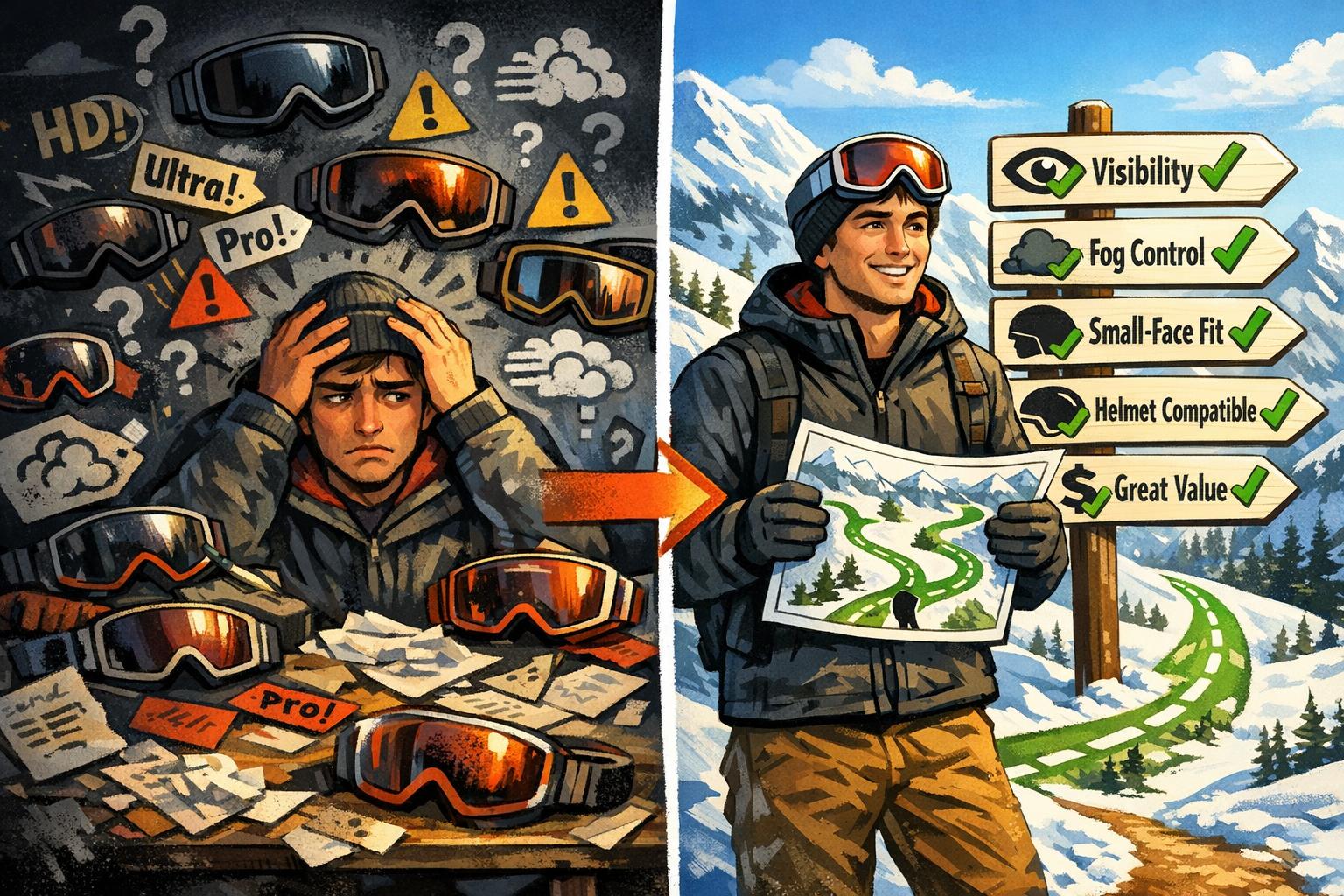
The beginner mistake is not buying cheap goggles.
The real mistake is buying goggles without knowing what problem they are supposed to solve.
Most new riders shop by color, sale price, or brand name. Then they get on the mountain and discover the uncomfortable parts are much more specific: cheek gaps, a helmet brim pushing the frame down, breath fogging the inner lens, or flat light making the snow look like one blank sheet.
That is the shift. You do not have to decode every gear spec. You only have to answer four questions:
- Do I fog up regularly?
- Do I struggle to see snow texture?
- Does the frame fit my face and helmet without gaps or pressure?
- Will I ride enough to justify the upgrade?
Use this practical scorecard before assuming the most popular Smith goggle is automatically right for you.
| Decision factor | What to check | Beginner risk if ignored | Upgrade trigger |
|---|---|---|---|
| Fog resistance | Venting, fit, and whether your face covering blocks airflow | Constant wiping and lens lifting | You fog during pauses or slow runs |
| Contrast and clarity | Lens suitability for cloudy, bright, or mixed conditions | Snow looks flat and hard to read | You tense up in changing light |
| Comfort | Pressure on nose, cheeks, temples, and brow | Headaches or distraction | You cannot forget the goggles are there |
| Smaller-face fit | Gaps around cheeks, nose bridge, and sides | Wind leaks, cold spots, poor seal | Popular frames feel oversized |
| Helmet compatibility | Forehead gap, frame push-down, strap position | Cold airflow or nose pressure | Your helmet and goggles fight each other |
| Lens usefulness | Conditions the lens is designed for | Wrong tint for your normal days | You ride in varied weather |
| Durability and value | Build quality, replacement parts, return policy | Wasted money if fit is wrong | You ride often enough to care |
This is like trying on jeans. The size label matters less than where it gaps, pinches, and moves when you actually bend your knees.
For smaller-face riders, pay special attention to the cheeks and nose bridge. A goggle can look premium online and still leave air channels around your face. Helmet compatibility matters too. A forehead gap can let cold air in, while a helmet that presses the frame down can make the goggles uncomfortable or encourage fog.
A mini scenario: Talia buys a popular premium goggle because the reviews are strong and the color matches her jacket. At home it looks great. On the mountain, the frame sits too wide across her cheeks, and her helmet pushes it lower every time she straps in. By the third run, wind is sneaking through the side seal and her nose feels pinched. The goggle was not bad. The decision process was. When she re-shops by fit size and helmet pairing, the whole experience changes.
The objection: can I just buy the most popular Smith option and assume it will fit? You can, but it is a gamble. Popular means many people like it. It does not mean it matches your face, helmet, and light conditions.
Where Smith Optics May Feel Beginner-Friendly
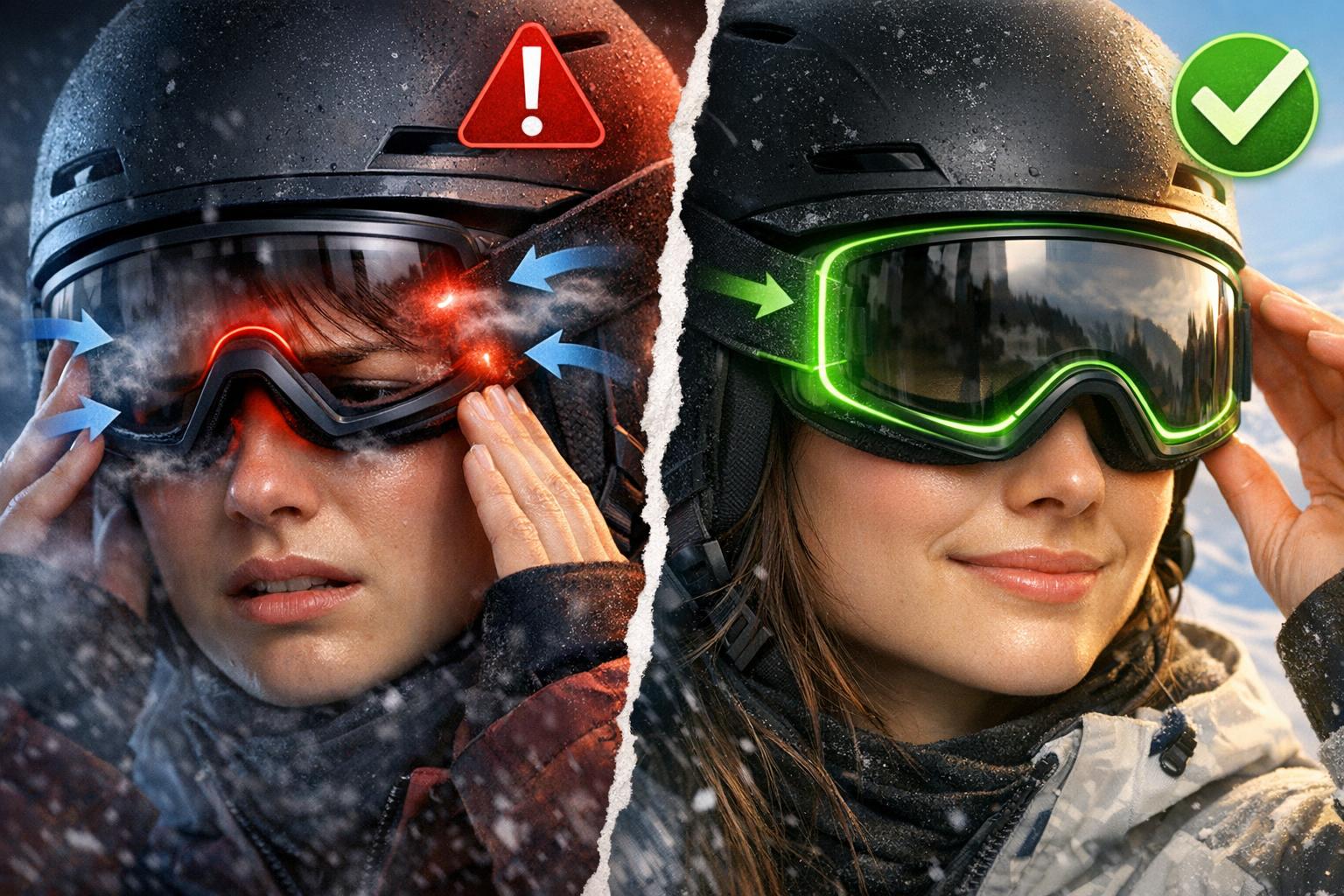
Smith Optics may feel beginner-friendly when your main pain is visual confidence. Not because a brand magically makes you better, but because clearer, better-fitting snow optics can remove distractions that make learning feel more chaotic.
Look for Smith models that match your face size, helmet, and usual weather. Verify current product details before buying, because lens systems, fit profiles, and included features can vary by model.
Where Smith can be helpful:
- You are tired of fog interrupting every slow run.
- Flat light makes you nervous because you cannot read snow texture.
- You want a brand focused on snow optics rather than a random bargain-bin pair.
- You ride enough that comfort and visibility are worth more than the lowest price.
- You are willing to try on or return goggles if the smaller-face fit is not right.
For a beginner, the benefit is emotional as much as technical: less visual chaos. For an intermediate rider, the value is consistency across longer days and changing conditions. For advanced buyers, the smart move is to evaluate specific lens systems, replacement lens options, frame sizes, ventilation, and helmet integration instead of relying on brand reputation alone.
Upgrading goggles is like moving from blurry rental glasses to lenses that match your actual environment. The mountain does not become easier, but your brain gets cleaner information.
A mini scenario: Liv usually freezes in flat light. She can sideslip fine, but when the snow loses definition, she stiffens and starts braking even on mellow terrain. After borrowing a better-fitting pair of snow goggles for a cloudy day, she notices the difference is not that she suddenly rides like an expert. It is that she can see little ridges and changes earlier, so her turns feel less like guesses. That is the kind of beginner-friendly payoff worth paying attention to.
Is this just paying for a name? It can be if you buy blindly. But if Smith solves a repeated fit, fog, or visibility problem that is costing you mountain time, the value is not just the name. It is the confidence of seeing what you are riding.
Where Smith Optics Might Be Too Much, Too Soon, or the Wrong Fit
Smith is not automatically the right answer just because it is a respected optics name. A premium goggle can still be the wrong purchase if it does not fit your face, work with your helmet, or match how often you ride.
- Strong shortlist option when fog, contrast, and visibility are recurring beginner problems.
- Useful category to consider for repeat riders who want clearer vision and less gear frustration.
- Potentially helpful when paired carefully with a compatible helmet and the right fit size.
- Good upgrade logic for riders who already know cheap goggles are limiting comfort.
- May be unnecessary for one-time riders or very occasional resort days.
- Still fails if the frame gaps, pinches, or clashes with your helmet.
- Will not fix wet face coverings, blocked vents, or overheating from poor layering.
- Requires model-level checking instead of assuming every Smith goggle fits the same.
A better goggle is not a magic windshield wiper if the window is installed wrong. If your balaclava is trapping breath under the lens, your helmet blocks vents, or you keep lifting your goggles onto a wet hat, even good optics can struggle.
For beginners, this is reassuring: you do not have to buy premium everything to start snowboarding. For intermediate riders, the question becomes cost per day of use. If you ride often enough to notice repeated fog or light problems, upgrading makes more sense. For advanced shoppers, the hidden risk is assuming premium means universal. Fit, lens ecosystem, and replacement costs still matter.
A mini scenario: Erin buys expensive goggles before her first trip because she wants to avoid beginner mistakes. But she pairs them with an older helmet that creates a forehead gap. Cold air pours in, the goggles slide down, and she blames the product. The issue was not that better goggles are pointless. It was that she skipped the compatibility check. A short try-on with her actual helmet would have told her more than a dozen online opinions.
If Smith is good, why would you not buy it? Because smart gear buying is not about choosing the highest-status option. It is about matching the solution to the problem. If price is your top constraint, ride frequency is low, or fit is untested, waiting can be the more confident choice.
Budget-conscious riders can use the beginner snowboard gear guide to decide whether goggles, gloves, helmet, or outerwear deserve the next dollar.
Smith Optics vs Budget Goggles: When Better Optics Are Worth Paying For
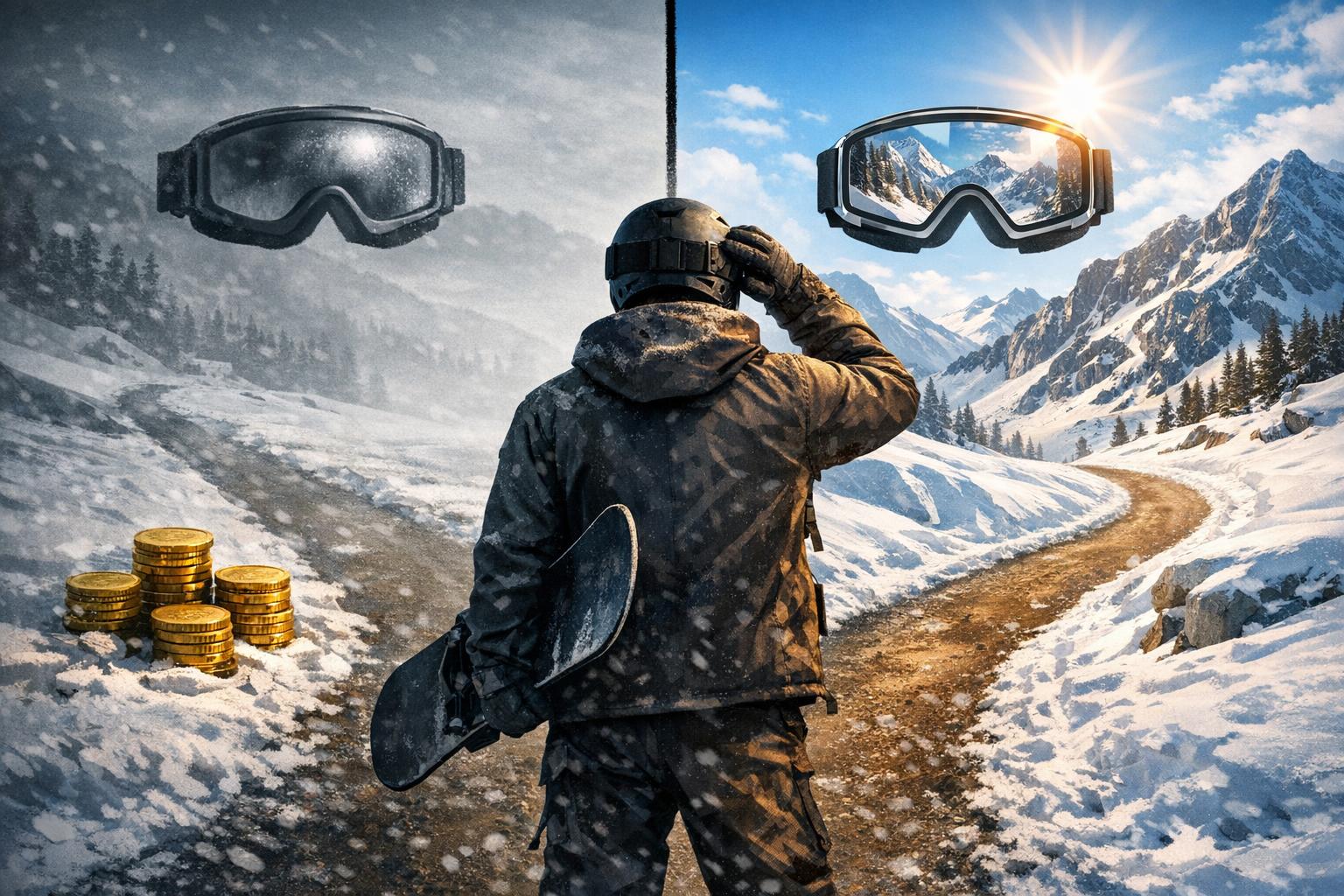
Budget goggles are not automatically bad. Smith goggles are not automatically necessary. The right choice depends on how often visibility gets in the way.
This is like choosing between a basic rain jacket and a better shell. Both can work. The better shell matters more when you are actually out in bad weather often.
| Option | Best for | Main tradeoff | Beginner risk | Upgrade trigger | What to verify |
|---|---|---|---|---|---|
| Budget goggles | Rare resort days, mild weather, first lessons | Lower cost, fewer refinements | Fog, poor fit, weaker contrast in tough light | You keep wiping, squinting, or stopping | Fit, venting, lens tint, return policy |
| Smith Optics | Repeat riders with fog, flat light, or fit frustration | Higher upfront cost | Overbuying if you ride rarely or choose wrong fit | Visibility problems are limiting confidence | Model size, lens conditions, helmet compatibility |
| Borrowed or rental goggles | True first day or uncertain commitment | Limited control over fit and lens | Comfort and hygiene can vary | You decide you will ride again | Lens condition and basic fit |
| Smaller-fit or women-specific options | Smaller faces or cheek/nose gaps | Requires careful comparison | Buying oversized frames online | Standard goggles gap or pinch | Frame dimensions and return policy |
What most people get wrong is thinking the decision is really premium versus cheap. It is not. The decision is whether your current goggles are good enough for your actual conditions.
For a beginner, budget can be fine if the goggles fit, stay clear enough, and match the day. For an intermediate rider, repeated fog and flat-light stress are the signs that better optics may be worth it. For an advanced buyer, the comparison should go deeper into lens systems, replacement lens costs, and which conditions each model serves.
A mini scenario: Two friends start snowboarding the same season. One rides once on a sunny spring day, takes a lesson, and spends most of her time on the bunny slope. Her budget goggles are perfectly adequate. The other buys a local pass, rides six mixed-weather days, and keeps losing confidence whenever clouds roll in. By day four, the cheaper goggles are not saving her money; they are costing her useful practice time. Same skill level, different buying threshold.
The objection is common: am I wasting money if I buy better goggles before I am good? Not if visibility is already a limiting factor. But if you are still testing whether you like snowboarding, you can wait. Skill level alone does not decide the upgrade. Your visibility problem does.
Alternatives to Consider Before You Click Buy
Smith can be a strong option, but it is not the only sensible path. A good review should help you avoid panic-buying, not pressure you into one brand.
Alternatives worth considering:
- Lower-cost beginner goggles if you ride rarely and mostly in mild conditions.
- Smaller-fit or women-specific snowboard goggles if standard frames gap at the cheeks or nose.
- Borrowed goggles for a first lesson if you are not ready to invest yet.
- Another snow optics brand if the frame shape, price, or lens ecosystem suits you better.
- Spending first on helmet fit, dry gloves, or warm layers if those are your bigger problems.
Alternatives are like choosing the right trail for your level. The most advanced route is not always the best route today.
For beginners, borrowing or buying budget goggles can make sense for day one. For intermediate riders, Smith becomes more interesting once you know you will ride enough to appreciate the comfort difference. For advanced buyers, compare across brands by lens interchangeability, replacement lens availability, frame size, and total ownership cost.
A mini scenario: Priya likes the idea of Smith but is not ready to commit before her first lesson. She borrows a decent pair from a friend, pays attention to what feels annoying, and writes down three things: the frame was too wide, cloudy light made the snow hard to read, and her helmet fit was okay. Two weeks later, she shops with a real checklist instead of vague anxiety. Smith is still on her list, but now she knows what she is asking it to solve.
What if you like Smith but are not ready to commit? That is fine. Use your first day as research. Notice whether you fog, whether light bothers you, and whether your current goggles leave gaps. Then come back with better data.
If you need the bigger gear picture before choosing goggles, read the beginner snowboard gear guide first.
Final Recommendation: Buy Smith Optics If You Need Confidence in What You Can See
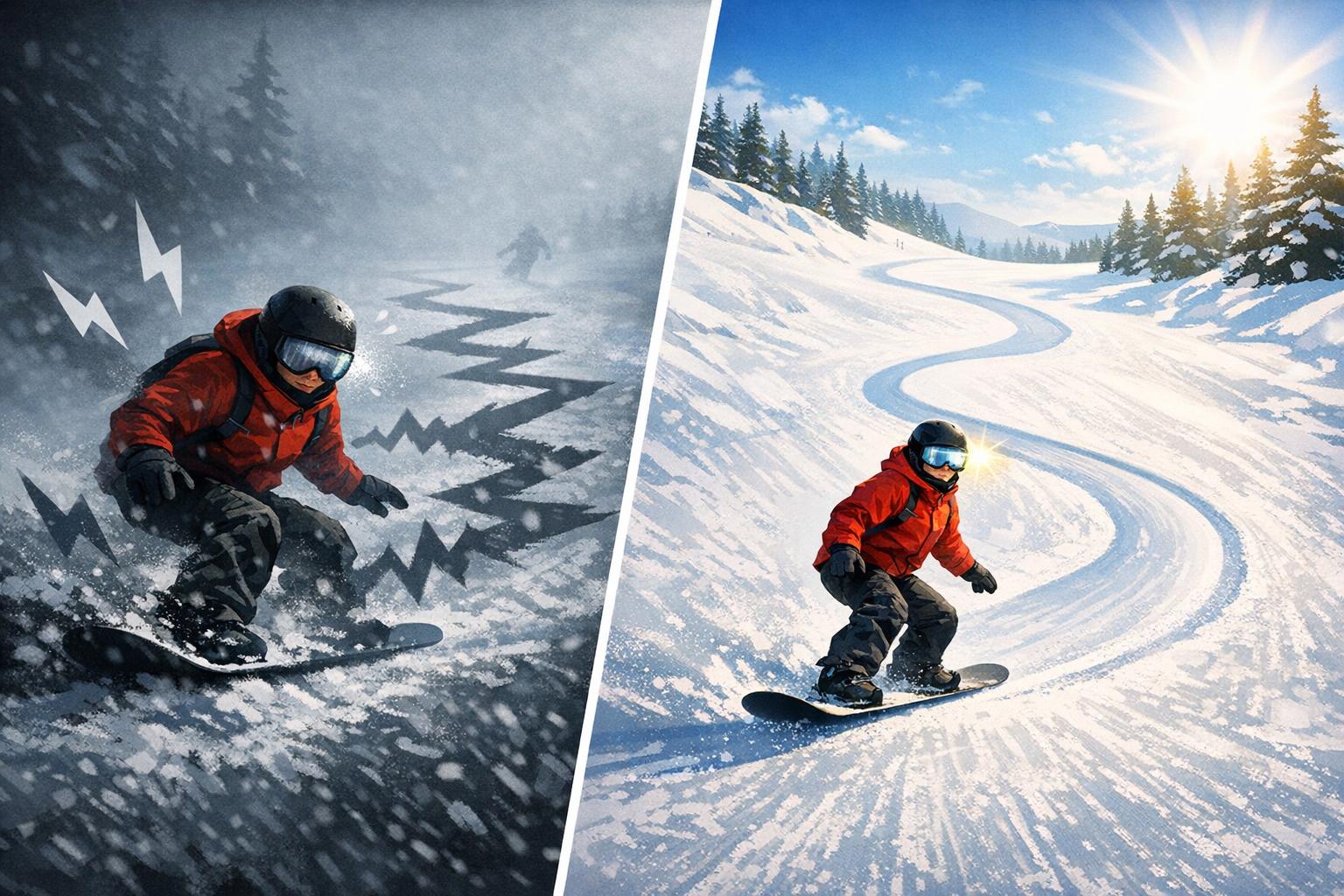
The cleanest recommendation is this: buy Smith Optics if fog, poor contrast, or goggle fit is already making beginner runs feel more stressful than they need to be.
Wait if you are still testing the sport, your budget is tight, or you have not checked whether the specific model works with your face and helmet. Better optics are valuable when they solve a real visibility problem. They are less valuable when they become an impulse purchase because you feel like a beginner and want certainty fast.
For beginners, the question is simple: do you need help seeing the snow clearly and staying calm enough to practice? For intermediate riders, a better goggle can become a comfort upgrade that keeps you out longer. For advanced buyers, choose the specific Smith model based on lens conditions, fit profile, helmet pairing, and replacement-lens strategy.
The final decision is like upgrading your windshield before a long winter drive. If visibility keeps slowing you down, the upgrade may be worth it. If the windshield you have is already clear and you barely drive in storms, your money may be better spent elsewhere.
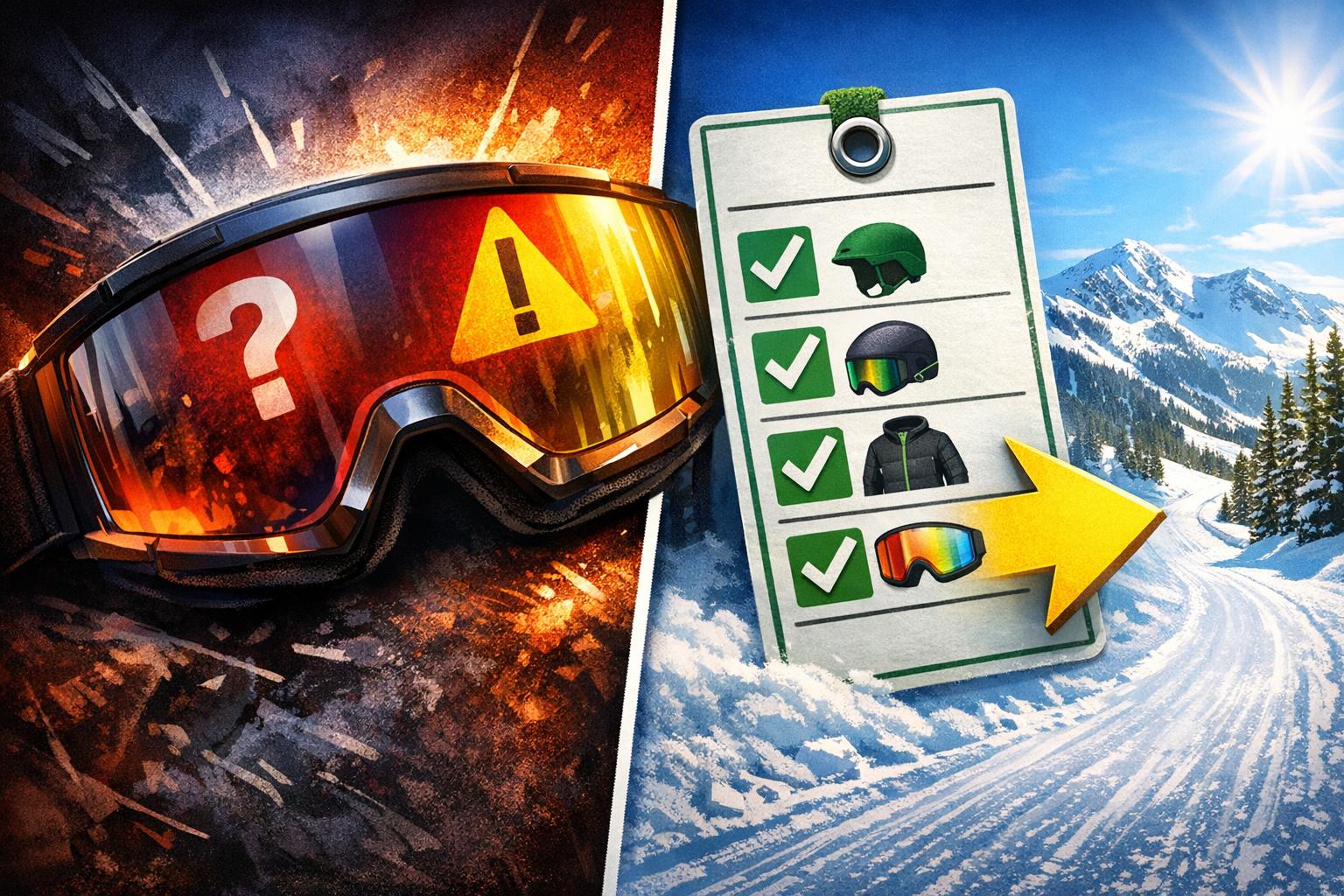
A final mini scenario: A beginner expects to ride several times this season. She already knows her current goggles fog, her local resort gets cloudy, and she feels nervous when the snow loses definition. She checks model details, confirms the return policy, tests helmet fit, and chooses Smith because clear vision matters more to her than saving a little upfront. She does not buy confidence in a box. She buys fewer distractions between herself and the next turn.
If you still cannot decide, use this shortcut:
- Buy now if fog and visibility are already limiting your riding.
- Wait if you ride once a year or have not tested fit.
- Compare alternatives if your face shape or budget is the bigger question.
- Read the full beginner snowboard setup guide if you are still deciding where goggles fit in the total kit.
Clearer goggles will not make the mountain effortless. But the right pair can turn a tense, stop-start day into one where you finally have enough visual calm to focus on posture, turns, speed control, and progress.
The Gear Lady evaluates gear using the Ergonomic Matrix — a published framework applied to manufacturer specs, standards ratings, and aggregated owner reports from women who share their measurements. We don’t field-test every product we cover. We earn commission on some links — as an Amazon Associate, The Gear Lady earns from qualifying purchases — and it never affects a score.