
Dope Snow Snowboard Gear Review for Beginners 2026
Dope Snow Looks Good Online, But Is It Beginner-Friendly on the Mountain?
You have ten tabs open, a trip on the calendar, and one Dope Snow jacket-and-pants set that looks exactly like the rider you want to become. This dope snow snowboard gear review is for that exact moment: when the colors are right, the outfit feels exciting, and then your practical brain starts whispering, what if the pants are weird over base layers?
Maybe you have not bought real snowboard outerwear before. Maybe your only reference point is rental gear, a borrowed ski jacket, or that one winter coat that feels fine walking the dog but turns into a stiff little prison when you crouch. You want to look confident on the mountain, not like you panic-bought whatever was left. But you also do not want to spend real money on gear that feels boxy, cold, bulky, or impossible to return before your trip.
The goal is not to talk you out of cute gear. The goal is to keep a cute colorway from making the entire decision for you.
Best For
- Beginners who want snowboard outerwear that looks more modern than basic rental-style gear
- Riders who love coordinated jacket and pant colorways
- Shoppers who are comfortable buying direct-to-consumer after checking sizing and return terms
- Casual resort riders focused on comfort, warmth, and confidence more than advanced technical features
Not Ideal For
- Beginners who need to try gear on before committing
- Riders between sizes who worry about a boxy, awkward, or unflattering fit
- Shoppers who want deep independent performance comparisons before buying
- Snowboarders planning frequent storm riding, backcountry days, or highly technical conditions
If you are not ready to buy yet, start with this broader guide to the best women’s snowboard gear for beginners so you can compare Dope Snow against other beginner-friendly options.
Quick Verdict: Dope Snow Is Stylish and Beginner-Friendly for the Right Rider
Dope Snow makes the most sense for beginners who want snowboard outerwear that feels intentional. Not thrown together. Not borrowed. Not like you are wearing a stiff winter sleeping bag with sleeves.
The appeal is obvious: the brand is style-forward, the sets are easy to visualize, and the direct-to-consumer shopping experience can feel simpler than wandering through a crowded gear wall when you barely know what half the tags mean. For a first-season rider, that simplicity matters. Snowboarding already has enough friction: lift tickets, lessons, boots, nerves, falling, and figuring out how to stand up without performing an accidental yoga pose in the snow.
But the smarter question is not, does it look good online? Most riders can answer that in five seconds. The better question is: will it still feel like a smart buy when you are sitting on a cold lift, bending to strap in, twisting your shoulders, and realizing you cannot just grab another size from the rack?
Think of Dope Snow like buying a stylish winter coat for a trip where the weather gets a vote. A coat can look incredible in your mirror and still be wrong if the sleeves tug, the hem rides up, or you cannot layer underneath it.
Here is the realistic scenario. A first-season rider books three resort weekends, wants a matching set, and rides mostly in normal winter conditions. She checks the size chart carefully, reads the current product details, confirms return terms, and chooses a size that leaves room for a base layer and midlayer. For her, Dope Snow can make sense. The same exact set could be a risky buy for her friend who is between sizes, has a trip next weekend, and gets cold easily.
The objection is fair: is a stylish brand serious enough for snowboarding? The answer is not style versus function. The answer is style plus enough function for your actual use. Casual resort laps are not the same as storm chasing, backcountry travel, or riding every weekend in rough weather. If your priority is looking and feeling confident while learning at the resort, Dope Snow belongs on the shortlist. If your priority is maximum technical certainty, compare more options before you click buy.
For a wider fit-and-function comparison, see the best women’s snowboard gear for beginners.
The Real Risk: Looking Good Online Does Not Guarantee a Great First Chairlift Day
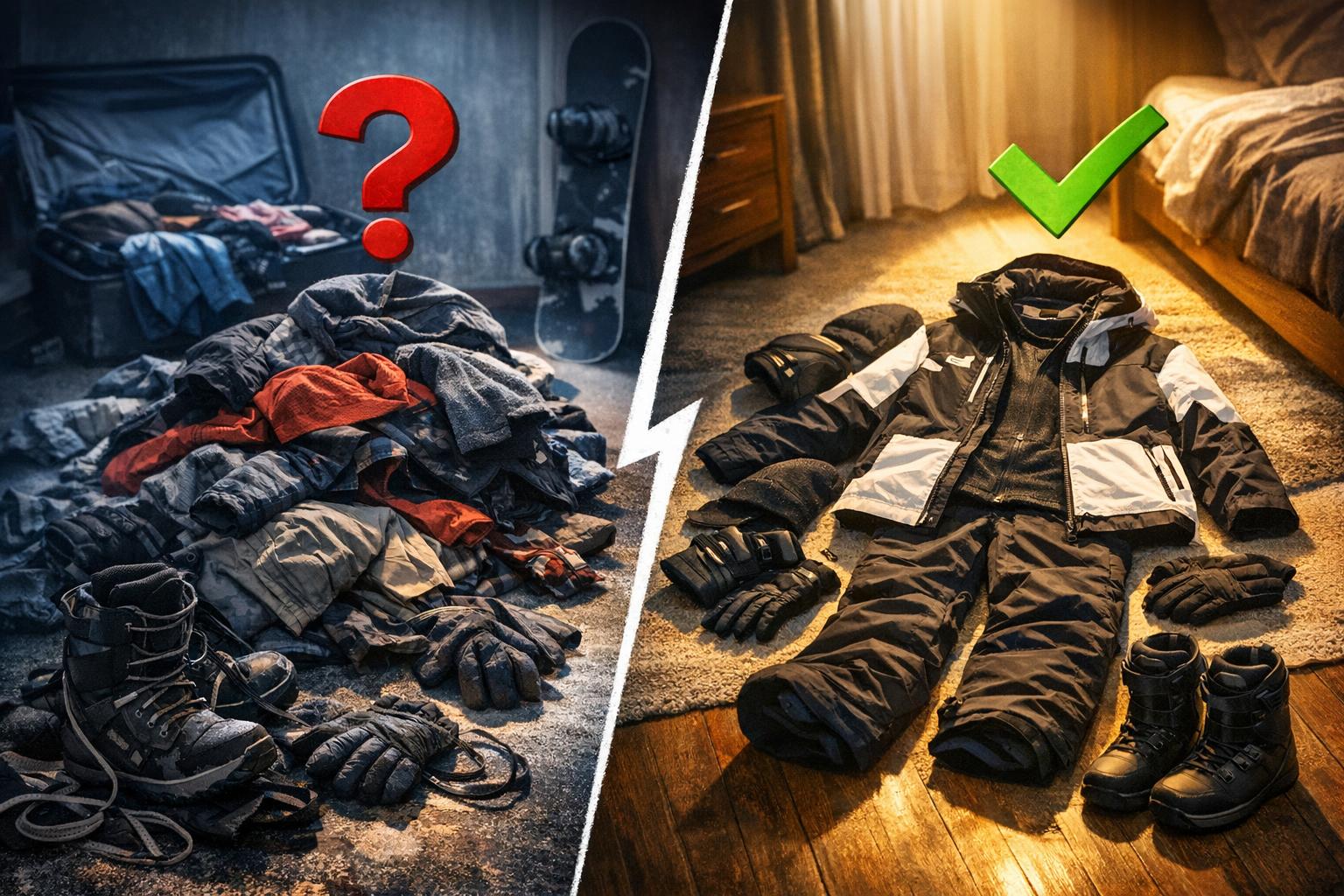
The product photo is the dating profile. The mountain day is the real first date.
Beginners often judge snowboard outerwear the way any normal person would judge clothing online: color, silhouette, vibe, model photo, maybe whether the jacket looks too bulky. That makes sense. You are not shallow for caring. Feeling cute on the mountain can make you more willing to show up, take photos, and stop feeling like an impostor.
But snowboard gear has to work in motion. You are not just standing in a lodge mirror. You are crouching to strap in, sitting directly on snow, reaching for your bindings, riding a chairlift with wind hitting your thighs, falling repeatedly, and adjusting layers in a cold parking lot while everyone else seems mysteriously ready.
What most people get wrong is assuming fit means, can I zip it? That is only the first checkpoint. A snowboard jacket can zip and still tug across your shoulders. Pants can button and still pull at the knees when you squat. A waistband can feel fine standing up and annoying after two hours of sitting, skating, and bending.
A mini example: imagine Maya, a beginner with one mountain weekend planned. She orders the set that looks best online and tries it on quickly in her bedroom. Standing still, it looks good. On the mountain, she discovers the pants pull when she crouches, the jacket lifts when she reaches forward, and there is barely enough room for a warm midlayer. Nothing is catastrophic, but every small annoyance repeats all day. By lunch, she is not thinking about her turns. She is thinking about her waistband.
The counterargument is that sizing risk sounds dramatic. After all, you buy clothes online all the time. True. But snowboard outerwear has a harder job than jeans or a hoodie. Small fit issues become louder when you are cold, wet, nervous, and moving awkwardly. If you are shopping Dope Snow, treat style as one important factor, not the whole decision.
Before buying, read what beginner snowboard gear actually needs to do on the mountain so you can separate cute from capable.
Who Dope Snow Gear Makes the Most Sense For

Dope Snow is most appealing for the rider who wants her first setup to feel like a real outfit, not a compromise. If you are a casual resort beginner, a style-conscious shopper, or someone who likes the ease of coordinated outerwear, that is a legitimate reason to keep it on your list.
Confidence is not a fake feature for beginners. When you already feel exposed learning in public, gear that feels like you can lower the emotional barrier to actually going. It is like choosing a first snowboard outfit that makes you want to show up instead of hiding behind borrowed layers that never quite fit.
Dope Snow may make sense if:
- You ride mostly at resorts in mild-to-normal winter conditions
- You want a coordinated jacket and pant look without building an outfit piece by piece
- You are willing to check size charts, model measurements if available, customer photos or reviews if available, and current return terms
- You care about warmth and comfort, but you are not shopping for highly technical outerwear for extreme conditions
- You understand that base layers and midlayers are part of warmth, not optional afterthoughts
Here is a realistic use case. A beginner has three resort weekends planned with friends. She is not chasing powder storms or hiking into technical terrain. She wants something warm enough for regular lift days, roomy enough for layers, and cute enough that she feels excited to wear it. She studies sizing, allows time for shipping and returns, and chooses based on her body measurements instead of wishful thinking. For that rider, Dope Snow can be a practical-confidence purchase.
The objection is, should confidence really influence gear buying? Yes, as long as it does not outrank safety and comfort. Looking good will not save a bad fit, but feeling good in functional gear can make your first season less intimidating.
If you love the look but want to compare women’s fit options before committing, use this beginner snowboard outerwear comparison as your next tab.
Who Should Probably Compare Other Snowboard Gear First
Dope Snow is not automatically wrong for fit-sensitive riders, but if you already know online sizing stresses you out, give that stress some respect.
You should compare other snowboard gear first if you are between sizes, hard to fit in pants, sensitive to sleeve length, or strongly prefer trying outerwear on in person. You should also compare if your trip is soon and a return delay would create a scramble. Waiting can feel like missing out, but buying the wrong setup can be more expensive than taking one extra night to compare.
Think of it like shoes. If you already know a shoe brand never fits your feet, you do not order the boldest color just because it looks perfect in the photo. Snowboard pants and jackets are the same kind of personal. Your proportions, layering style, and cold tolerance matter.
A realistic scenario: Lena is between sizes and leaves for her first snowboard trip in nine days. She loves a Dope Snow colorway, but the pants size chart puts her right on the edge. If she guesses wrong, there may not be enough time to exchange before the trip. Instead of panic-ordering, she compares other beginner women’s snowboard gear with more try-on flexibility. That is not indecision. That is protecting the trip.
This is especially important for riders who plan frequent storm days, mountain travel, or more demanding conditions. More advanced buyers may want to verify fabric specs, venting, seam construction, waterproofing, breathability, and durability signals before judging value. If those details are your main buying criteria, do not rely on style alone.
The false belief to correct: direct-to-consumer automatically means better value. Sometimes it can feel simpler or more appealing. But value is only real if the gear fits, performs for your conditions, and arrives with a return path that works for your calendar.
Use this beginner snowboard gear checklist before you buy if you are building a full setup and not just choosing a jacket.
Fit, Warmth, and Mobility: The Beginner Checks That Matter Most
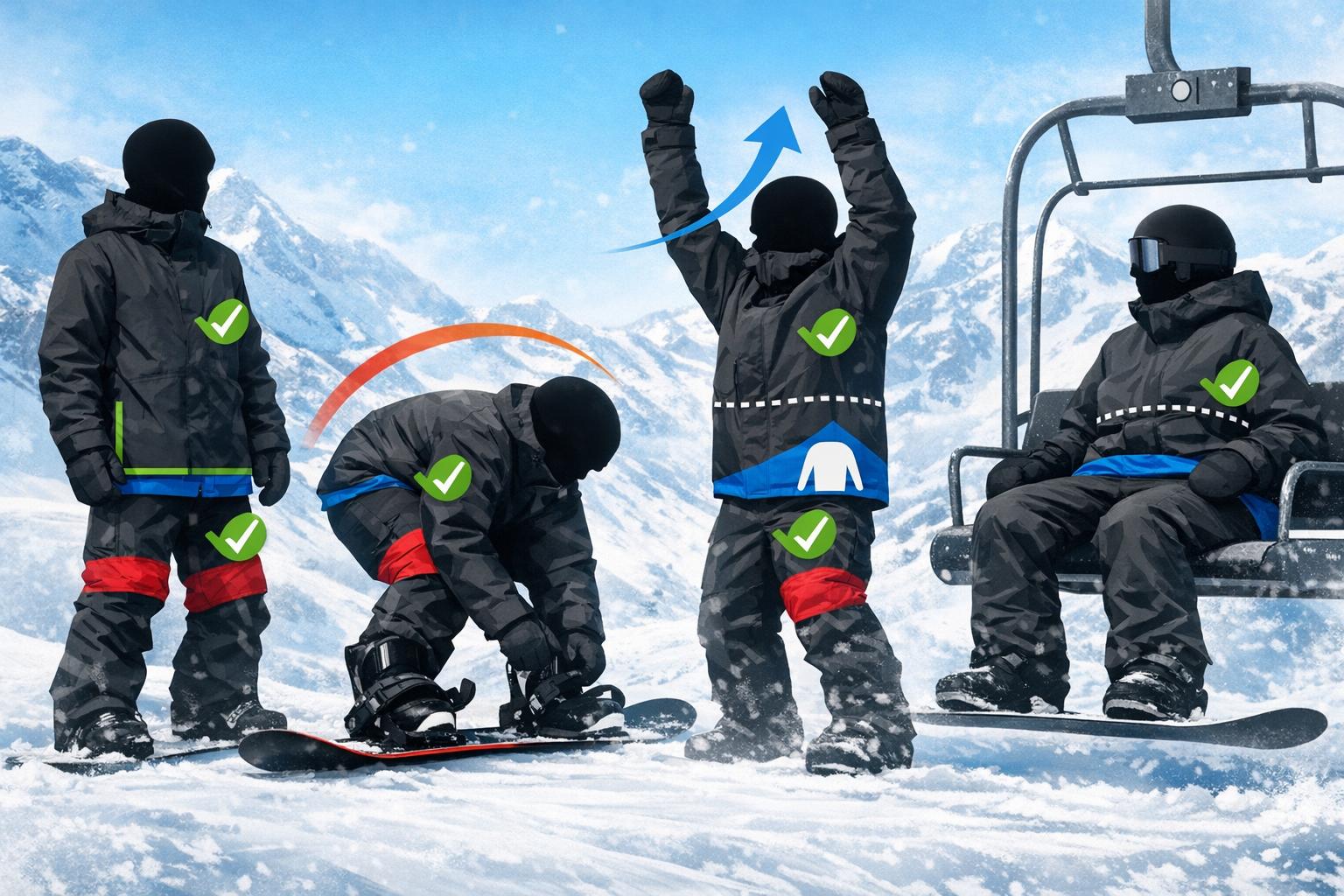
A good snowboard fit should feel like armor you can dance in, not a costume you can only stand still in.
If you are considering Dope Snow, do not stop at your usual clothing size. Snowboard outerwear needs room for movement and layers without becoming so oversized that it catches, gaps, or feels sloppy. The beginner-friendly way to evaluate fit is to test the positions you will actually use on the mountain.
The Five-Part Fit-Risk Framework
- Jacket length: When you bend forward or sit, does the jacket help keep snow and wind out, or does it ride up?
- Sleeve reach: When you raise your arms or reach toward your bindings, do the sleeves tug or expose your wrists?
- Pant movement: Can you squat deeply without the knees, seat, or waistband fighting you?
- Layering room: Can you wear a base layer and a practical midlayer without feeling stuffed?
- Return-risk reality: If the size is wrong, do the current return terms and your trip timeline still work?
Warmth without bulk is the sweet spot. Beginners sometimes expect the jacket and pants to solve every cold-weather problem. In reality, warmth usually comes from a system: base layer, midlayer, and outerwear. If your outerwear is too tight, that system collapses. If it is too loose or awkward, you may feel bulky and distracted.
Try this at home before you buy anything: put on your warmest likely base layer and midlayer, then use a jacket and pants you already own to mimic the movements. Crouch like you are strapping in. Sit on a chair. Reach forward. Twist. You will immediately learn whether you hate tight shoulders, low waistbands, short hems, or stiff knees. That little test can make the size chart feel less abstract.
Mini case: A beginner named Priya thinks she wants the smallest size that still zips because she fears looking boxy. Then she practices crouching in her current winter jacket and realizes the shoulder pull is what bothers her most. She chooses snowboard outerwear with more movement room instead of chasing the tightest silhouette. On her first day, she still looks put together, but she can actually bend, sit, and layer.
The objection is that size charts should be enough. They are necessary, but not always sufficient. A chart tells you measurements. It does not tell you how your body feels while twisting, falling, skating, or sitting in wet snow. Check the chart, then think like a snowboarder in motion.
Dope Snow Pros and Cons for Beginners
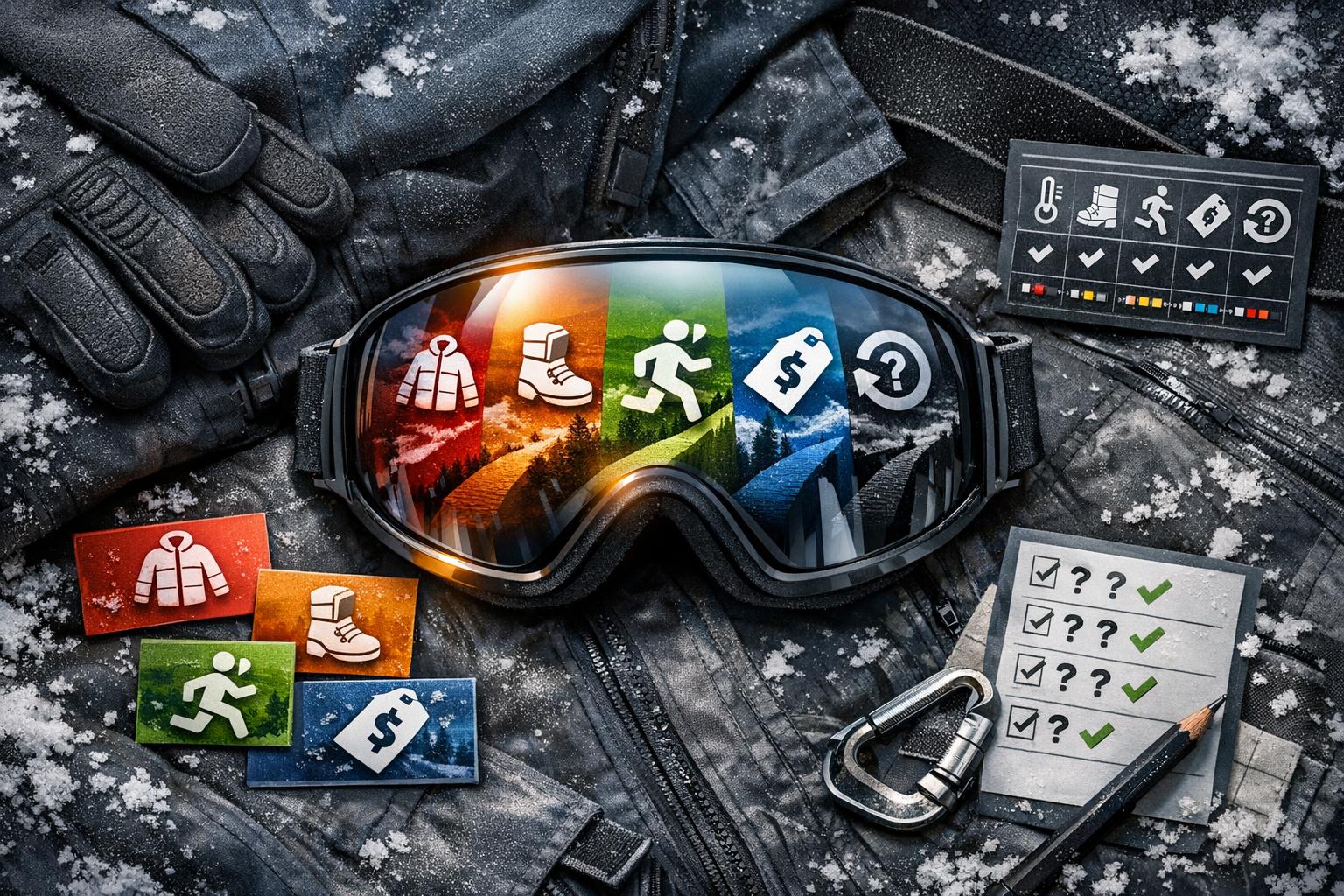
Pros and cons are like trail signs. They do not ride for you, but they keep you from taking the wrong route.
Here is the balanced beginner view without pretending we know details that can change by product, season, or current listing. Always check the current product page for exact specs, materials, return terms, and availability before buying.
Pros
- Strong style appeal: Dope Snow can be a good fit for beginners who want outerwear that feels current, bold, and more expressive than basic rental-like gear.
- Coordinated looks: Matching or complementary jacket-and-pant setups can make the first buying process feel less overwhelming.
- Direct-to-consumer simplicity: Shopping online can be convenient if you are prepared to check sizing carefully and allow enough time.
- Confidence factor: Feeling good in your gear can help new riders feel less awkward and more willing to show up.
Cons
- Fit uncertainty: If you are between sizes or sensitive to proportions, online outerwear buying carries real risk.
- Limited try-on confidence: You may not get the same reassurance you would from trying multiple sizes in person.
- Specs need verification: Check current waterproofing, breathability, insulation, venting, seams, and care details for the exact item you are considering.
- Not the obvious choice for technical riders: Frequent storm riders or spec-driven buyers may want deeper comparisons with more traditional technical outerwear options.
Beginner Scorecard
| Decision Factor | Dope Snow May Work If… | Compare Other Gear If… |
|---|---|---|
| Style | You want bold, coordinated resort outerwear | You care more about neutral technical pieces |
| Fit | You match the size chart clearly and allow layering room | You are between sizes or fit-sensitive |
| Warmth | You plan to use base layers and midlayers | You expect outerwear alone to solve cold issues |
| Mobility | You prioritize crouching, reaching, and sitting comfort | You are worried about stiffness or bulk |
| Buying risk | Returns and timing feel manageable | Your trip is soon and a size miss would be stressful |
| Conditions | You ride casual resort days | You ride harsh storms, frequent trips, or technical terrain |
Here is the split. A style-focused weekend rider may look at the pros and feel the fit-risk is manageable. A storm-day rider may look at the same list and see too many unknowns. Neither person is wrong. They are buying for different mountain realities.
The objection is that you may want a simple yes or no. The better answer is: yes, if your sizing confidence and riding conditions match. No, or at least not yet, if the purchase depends on hoping the fit works out.
If the cons made you pause, compare Dope Snow against the best women’s snowboard gear for beginners before deciding.
Dope Snow vs Other Beginner Snowboard Gear Options
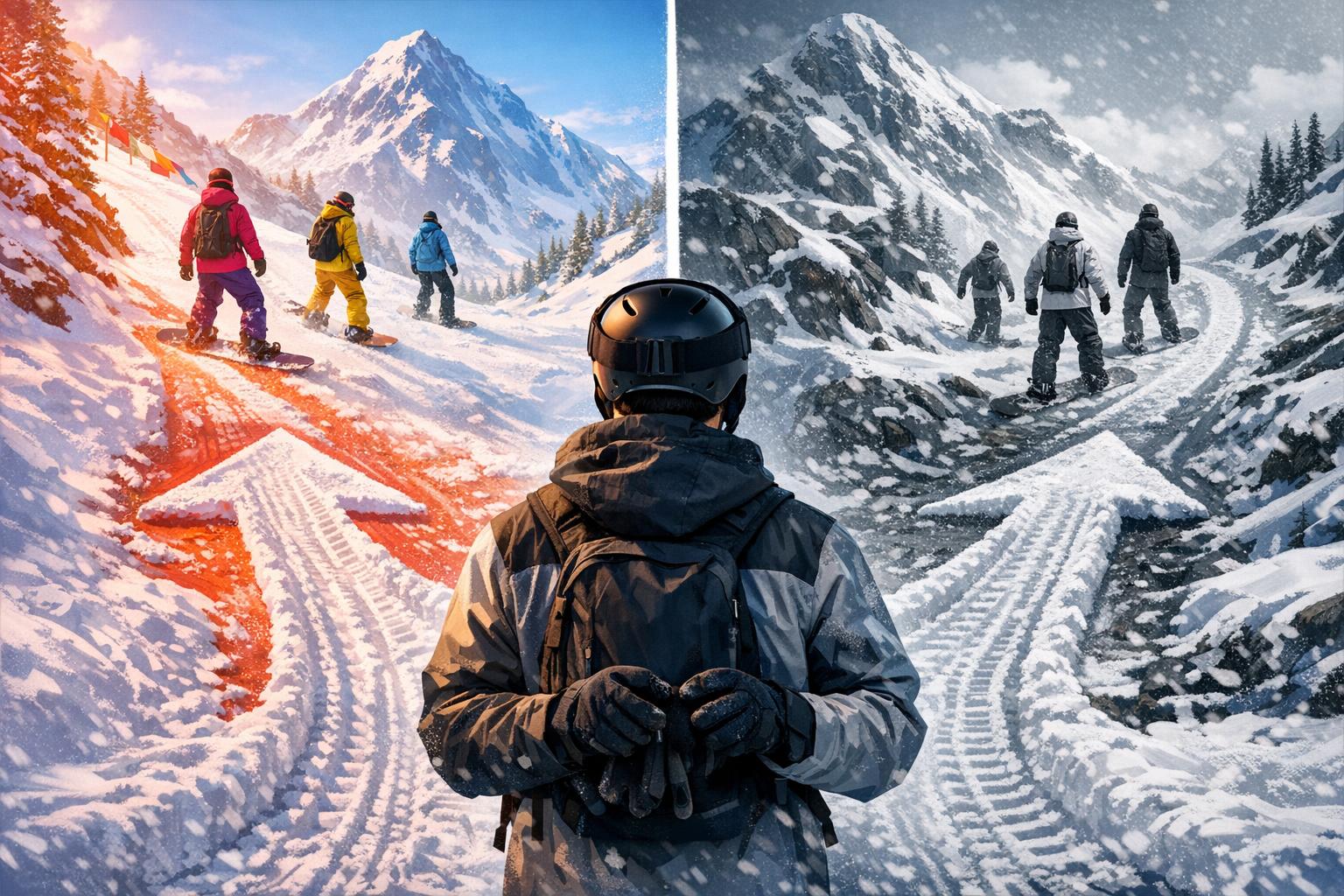
Choosing snowboard outerwear is a trail map, not a popularity contest. The right path depends on what you need most: standout style, predictable fit, in-person confidence, technical specs, or a lower-risk buying process.
Dope Snow is often most compelling when style and convenience are high priorities. Other beginner snowboard gear options may make more sense if you want to try multiple sizes, compare traditional brand fits, or talk to a shop employee before buying. Neither path is automatically more serious. The serious move is matching the path to your body, weather, and timeline.
Simple Comparison Path
| If Your Main Priority Is… | Dope Snow Path | Other Beginner Gear Path |
|---|---|---|
| Style and color coordination | Strong appeal if current products match your taste | More searching may be required |
| In-person try-on | Less ideal if you need dressing-room confidence | Often better if local shops carry options |
| Fit predictability | Works best when your measurements match clearly | Better if you need to test sizes side by side |
| Technical confidence | Verify exact current specs before buying | Easier to compare across established technical options |
| Trip timing | Safer if you have time for possible returns | Safer if you need gear immediately |
| Beginner simplicity | Convenient if you know your size needs | Helpful if you need a full checklist and buying path |
A common mini case: A rider loves the Dope Snow look but needs pants by next weekend. She realizes one wrong size could derail the trip, so she compares beginner options that can be tried on faster. Another rider has three weeks, clear measurements, and normal resort plans. She may reasonably choose Dope Snow because the style payoff is worth the controlled online-buying risk.
The objection is that comparing means overthinking. Not here. Snowboard outerwear is expensive enough, and your first few days are emotional enough, that a quick comparison can prevent return headaches. Comparing is not hesitation. It is how you avoid letting one gorgeous product photo make a weather-dependent decision for you.
If you want the broader buying path, open the best women’s snowboard gear for beginners guide. If you are still building your full kit, use the beginner snowboard gear checklist next.
Final Recommendation: Buy If the Style-Fit Equation Works, Compare If It Does Not
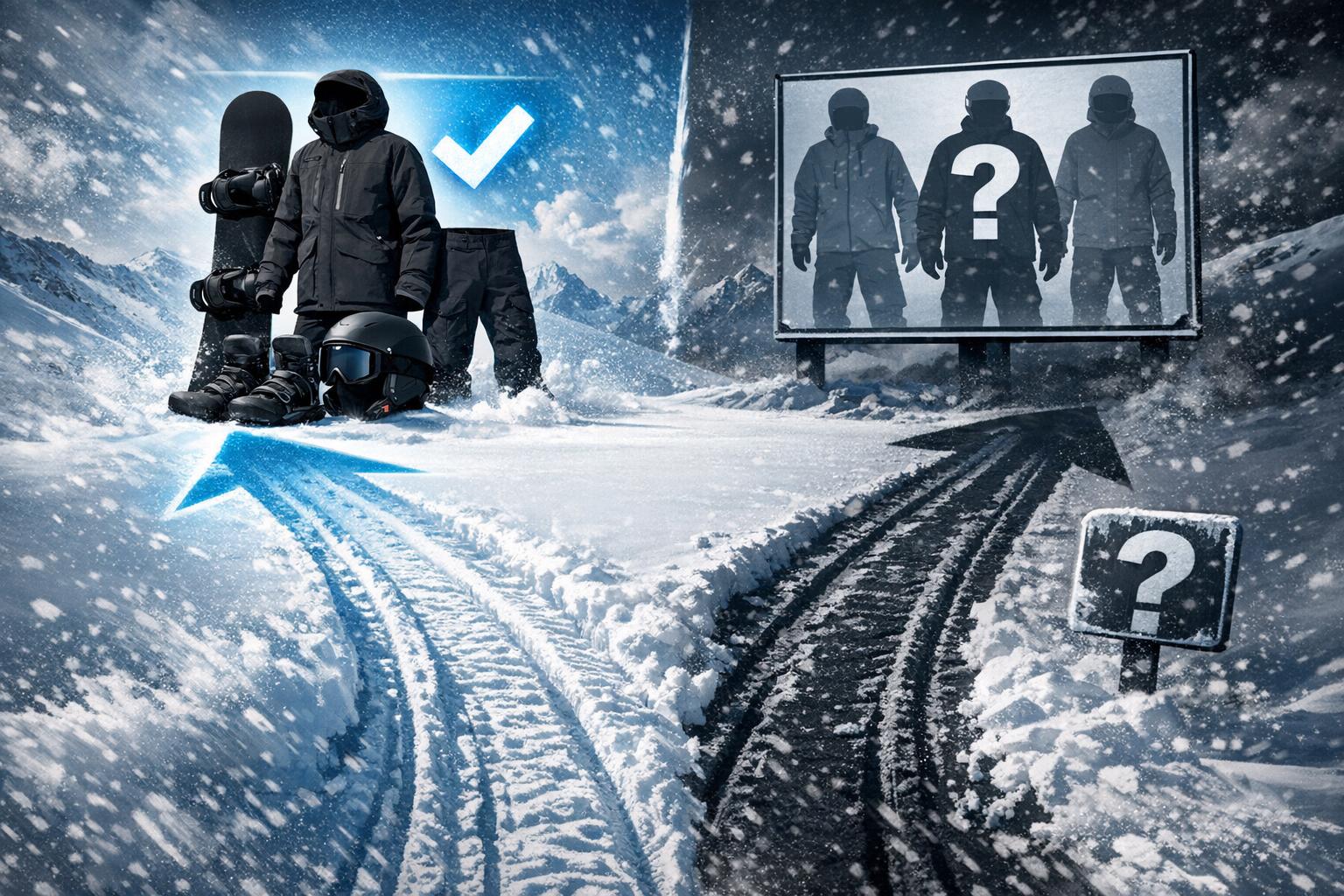
Dope Snow belongs on your shortlist if you are a style-conscious beginner, you like coordinated outerwear, and you are willing to do the boring-but-important checks before buying. That means checking current product details, reading the size chart carefully, thinking through your layers, confirming return terms, and making sure your riding plans match the gear’s likely use case.
Buy if the decision feels secure, aligned, and ready to move. Like clicking into bindings.
Compare first if you are anxious about sizing, between sizes, short on time, or planning demanding weather days where technical certainty matters more than the look. That is not being difficult. That is being smart with your money and your first real mountain experience.
The final rule is simple:
- Choose Dope Snow if you want style-forward resort outerwear and your fit-risk checks are green.
- Compare alternatives if you need more predictable women’s fit, in-person try-on confidence, or deeper technical spec reassurance.
- Do not buy on color alone if warmth, mobility, or return timing still feels uncertain.
One last realistic scenario: if you pass the five-part fit framework, have enough time before your trip, and know your riding is casual resort-focused, checking the current price is a reasonable next step. If two or three doubts are still open, your next best move is not forcing the purchase. It is comparing beginner options until the decision feels grounded.
The transformation you want is not just looking better in snowboard photos. It is arriving at the mountain warm, mobile, and calm because your gear decision already makes sense. If you are building the rest of your setup, read the beginner snowboard gear guide next so your jacket and pants fit into the full plan.
The Gear Lady evaluates gear using the Ergonomic Matrix — a published framework applied to manufacturer specs, standards ratings, and aggregated owner reports from women who share their measurements. We don’t field-test every product we cover. We earn commission on some links — as an Amazon Associate, The Gear Lady earns from qualifying purchases — and it never affects a score.