
Nitro Lectra Leaf Review: A Beginner Board Women Can Progress On

A Beginner Women’s Board That Does Not Feel Like a One-Season Throwaway
If this nitro lectra review caught you mid-scroll, you are probably not trying to become a gear nerd. You are trying to avoid an expensive mistake.
Maybe you have rented a few times and every board felt different. One day the board was so wide under your feet that turning felt delayed. Another day it felt twitchy and unpredictable. Now you are shopping for your own setup, and the choice sounds simple until it is not: buy something soft and forgiving, or buy something with enough structure that you do not outgrow it by spring.
That is the tension the Nitro Lectra Leaf steps into. On paper, it is a beginner-friendly women’s snowboard with a soft 4 out of 10 flex, a directional twin shape, and Nitro’s Cam-Out Camber profile. In plain English: it is designed to feel approachable, but not completely limp.
Picture a newer rider named Maya. She can link cautious turns on mellow runs, but she still catches an edge when she gets tired. The cheapest board on sale is tempting, but she is worried it will feel like a rental with prettier graphics. The Lectra Leaf is interesting because it offers a middle path: forgiveness now, with a little nudge toward cleaner riding later.
Best For
- Beginner women who want a forgiving board they can progress on
- Riders with smaller boots who may benefit from a narrower waist option
- Newer riders choosing between full rocker forgiveness and camber-powered growth
- Shoppers who want a current-season board instead of only hunting older closeouts
Not Ideal For
- Riders who know they want the lowest possible sale price
- Beginners who want the loosest, surfiest rocker feel above all else
- Aggressive intermediate riders who already charge fast and need more stiffness
- Shoppers who need published rider-weight guidance before narrowing sizes
If that sounds like your decision, the next step is simple: check current availability before assuming your size will still be around.
If you are still not sure whether this is your lane, you can also compare it against other beginner women’s snowboard picks before committing.
Quick Verdict: The Lectra Leaf Is Forgiving, But Not Limp
The Nitro Lectra Leaf makes the most sense for a beginner woman who wants the board to help, not babysit.
A very soft board can feel comforting on day one because it bends easily and does not demand much power. But there is a difference between friendly and floppy. The Lectra Leaf’s soft 4 out of 10 flex points toward easy handling, while the Cam-Out Camber profile suggests more support and rebound than a fully rocker-dominant board.
Think of it like raised training wheels. They are still there to catch you, but they are not so low that you never learn to balance.
For a rider who is moving beyond pure falling-leaf survival and starting to shape turns, that matters. A board with a little more structure can encourage better habits. It can make you pay attention to edge changes instead of just smearing every turn and hoping for the best.
Here is a realistic example: a newer rider can link basic turns on green terrain but still panic when the run gets narrow. On a super-loose rocker board, she might feel safe because the edges are less assertive. But by mid-season, she could start noticing that the board feels vague when she wants a cleaner carve. The Lectra Leaf is not a race board or expert carving tool, but based on its specs, it is more progression-minded than a pure first-day comfort blanket.
The common objection is fair: if it is a beginner board, why not buy the cheapest one? Because cheap only wins when the fit is right. If a bargain board feels too wide, too loose, or too limiting after ten days, the savings disappear when you start shopping again.
The Real Buying Question: Will You Outgrow It Too Fast?

Most beginners shop for their most nervous first run. The smarter move is shopping for your likely tenth day on snow.
That is the false belief worth correcting: beginner-friendly does not automatically mean best. A board can be easy today and frustrating very quickly if it gives you no edge support, no feedback, and no confidence once your speed increases.
A too-soft board is like a bike with flat tires. It might feel slow and manageable in the driveway, but once you actually want control, it becomes work. You push harder, it responds later, and the thing that felt safe starts feeling sloppy.
A simple progression filter
Ask yourself three questions:
- Do I want the board to feel forgiving while I learn?
- Do I also want help building cleaner turns instead of only skidding forever?
- Do I have smaller boots or a history of boards feeling slow edge-to-edge?
If you answered yes to all three, the Lectra Leaf deserves a serious look.
Consider Jenna, who buys the cheapest soft beginner board she can find because she only wants to stop renting. Her first two days are fine. By day six, she is linking turns and following friends onto longer green runs. Suddenly the board chatters more than she expected, edge changes feel muted, and she is wondering whether she bought for fear instead of growth. That does not mean every cheap board is bad. It means the first-day problem and the full-season problem are not always the same problem.
The objection is that soft flex sounds safer, so too soft should be better. Not quite. Soft flex can reduce intimidation, but once you begin riding with more purpose, you need enough structure to trust the board underneath you. The Lectra Leaf’s appeal is that it stays on the approachable side while offering more of that structure than a purely loose-feeling beginner option.
Key Specs That Actually Matter for Beginner Women
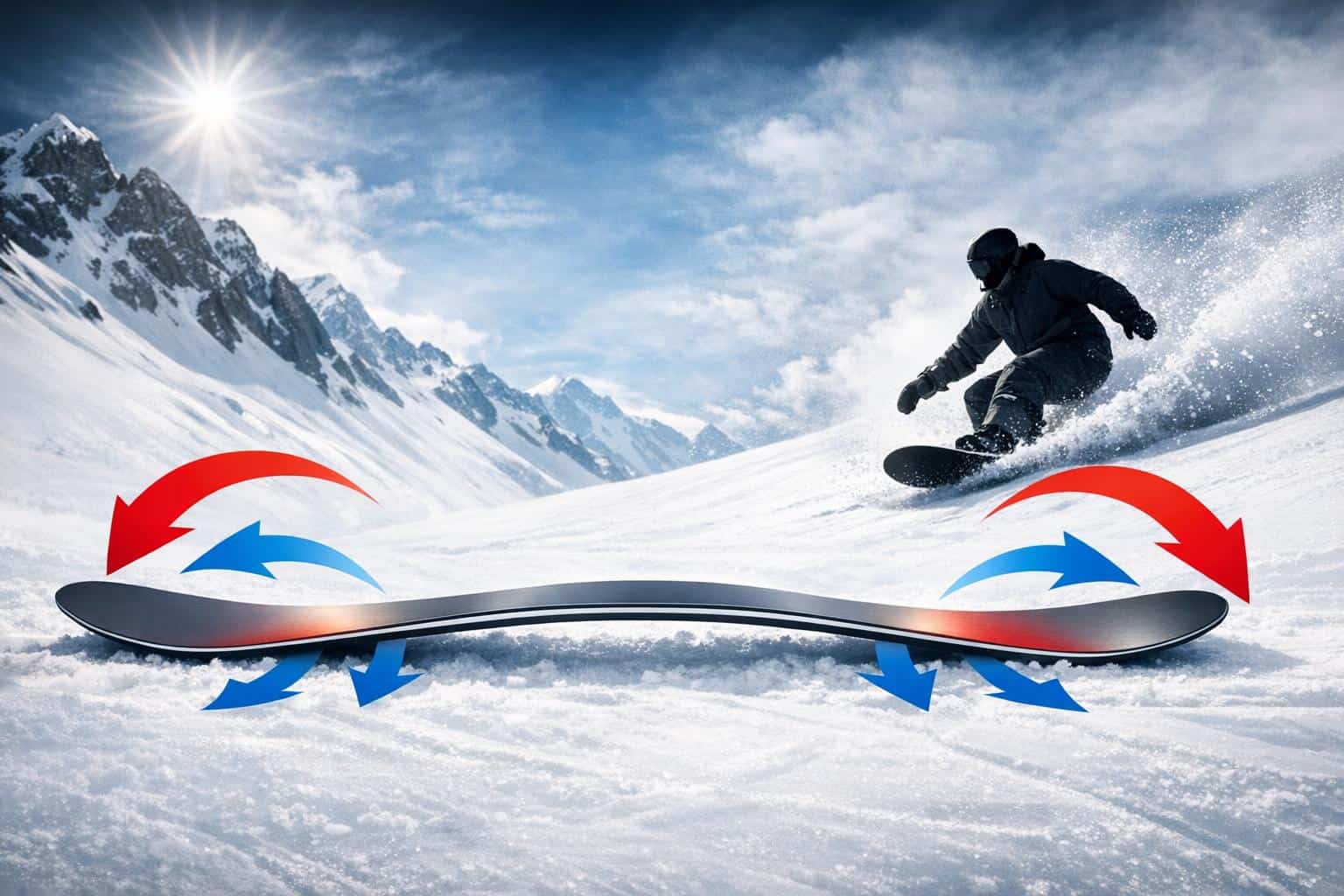
Specs only matter when they change your buying decision. Here are the Lectra Leaf details worth caring about.
| Spec | What it means for you |
|---|---|
| Women’s snowboard | Built and marketed for women’s beginner/progression use |
| 2027 model | Current-season context, so pricing and size availability should be checked live |
| Soft 4/10 flex | Easier to bend and manage at slower speeds |
| Cam-Out Camber | More support and rebound than very loose rocker-only profiles |
| Directional twin shape | Familiar all-mountain shape that can handle learning, cruising, and progression |
| 138 cm waist listed at 227 mm | Notable narrow-waist option for some smaller-boot riders |
| Rider weight range | Not published in the provided product context |
Flex is the first spec most beginners understand. A soft 4 out of 10 flex generally points to a board that should be easier to bend, press, and steer without a lot of force. For a newer rider, that can make slow-speed turns feel less like wrestling furniture across the snow.
The profile is where the decision gets more interesting. Cam-Out Camber is not the same as a flat or full rocker beginner board. Based on the design concept, it should offer some camber-like support underfoot while staying more forgiving than a traditional aggressive camber deck. Think of it like a beginner hiking boot that still has a real sole. It is not a rigid mountaineering boot, but it is not a slipper either.
Waist width also matters more than many buyers realize. A rider with smaller boots on a board that is too wide may feel like every edge change arrives half a second late. That delay can make turning feel harder than it needs to be. With a 138 cm listing showing a 227 mm waist, the Lectra Leaf may be especially relevant for smaller riders who have felt lost on wider rental boards.
A realistic scenario: Sophie wears smaller boots and always feels like she has to exaggerate every movement to get rented boards onto edge. She assumes she is just bad at turning. Then she learns that the board width may be part of the problem. A narrower board, when sized properly for her height, boot size, ability, and riding goals, can feel more responsive. It will not magically teach technique, but it can remove one frustrating obstacle.
The big objection is camber. Is camber too intimidating for a beginner? Traditional full camber can be demanding, especially for nervous new riders. But this is not positioned as a stiff expert board. The Lectra Leaf combines a soft flex with a more progression-oriented profile, which is exactly why it sits in the middle rather than at either extreme.
How the Lectra Leaf Should Feel on Snow
Based on the specs, the Nitro Lectra Leaf should feel manageable first and supportive second.
The soft flex should make slower-speed turns less intimidating. If you are still learning how much pressure to put into your front foot, how to finish a turn, and how to stay relaxed when the slope changes, that softness matters. It should help the board feel easier to bend instead of punishing every imperfect movement.
The Cam-Out Camber is the progression piece. Compared with a very loose rocker-only board, it should provide more energy and edge support when you start linking turns with intention. That does not make it a hard-charging carving deck. It makes it more like a language app that starts with easy phrases but introduces real grammar early enough that you can actually improve.
The directional twin shape also helps keep the board familiar. For most beginners, that means it should work for cruising, exploring mellow terrain, and building confidence without forcing you into a highly specialized style too early.
Here is the part most beginner snowboard reviews skip: the goal is not to eliminate every consequence. If a board hides every sloppy movement, you may feel comfortable, but you might also repeat the same habits for months. The better goal is forgiveness with feedback. You want the board to let you recover from small mistakes while still encouraging cleaner edge changes.
Imagine a first-season rider who has spent several weekends on rentals. She can get down green runs, but her turns are mostly skidded and defensive. On the Lectra Leaf, she should expect approachable flex, but with enough profile support that she can start feeling the difference between a panicked skid and a more deliberate linked turn. That is the quiet value here: familiar enough to calm her down, structured enough to make practice count.
The objection is catchiness. Will it be too catchy compared with rocker? It may feel less loose than a rocker-dominant board, and that is the tradeoff. If your top priority is maximum catch-free playfulness, choose a different profile. If you want a soft board that nudges you toward better technique, the Lectra Leaf’s specs make sense.
Expected pros in feel
- Soft flex should feel approachable at slower speeds.
- Cam-Out Camber should add more support than a very loose rocker-only profile.
- Directional twin shape keeps the board versatile for early all-mountain learning.
Expected tradeoffs in feel
- It will not feel as loose or surfy as a full rocker board.
- It is still a soft beginner/progression board, not a powerful high-speed platform.
- Riders who already charge aggressively may reach its ceiling quickly.
Best Fit: Who Should Put the Lectra Leaf on the Shortlist

You are not trying to win a freeride contest. You are trying to stop renting mystery boards and actually progress.
That is the buyer who should shortlist the Nitro Lectra Leaf: a beginner woman who wants a board that feels friendly without feeling disposable. You may still be cautious. You may still skid turns. You may still have moments where your body says absolutely not at the top of a steeper green. But you are also serious enough to want your own board because consistency matters.
Owning the same board every trip can be underrated. Rentals change. Edge tune changes. Flex changes. Width changes. When your board changes every weekend, it is harder to know whether the problem is your technique or the tool under your feet.
Think of the Lectra Leaf like a beginner camera that still allows manual settings later. You can start in automatic mode, but the tool does not trap you there.
A mini case: Alina rides three weekends on rentals and feels like she starts over each time. One board feels dead. Another feels huge. Another catches unexpectedly because she is not used to it. She is not advanced, but she is motivated. She wants to link smoother turns, ride with friends without constant fear, and stop blaming every bad run on unfamiliar gear. A soft progression board like the Lectra Leaf gives her a consistent platform to build from, assuming the size and boot fit are right.
The objection many newer riders have is: am I good enough for a board with camber in the profile? You do not need to be advanced to benefit from some structure. The question is whether you want the easiest possible loose feel or a board that asks you to participate a little more in the turn. If you want the second path, the Lectra Leaf belongs on your shortlist.
Who Should Skip It and Look at Something Else
A good board can still be the wrong board. That is not a contradiction; it is the whole point of a useful review.
Skip the Lectra Leaf if your only goal is the lowest possible price. Current-season boards can be less discounted than older closeout models, and this review is not going to pretend otherwise. If your budget is tight and you are flexible on model year, a closeout beginner women’s board may be the smarter hunt.
Skip it if you know you want the loosest, surfiest rocker feel. Some beginners want a board that feels as catch-free and playful as possible, even if that means less support for cleaner turns. That is a valid preference. It is just not the same buying logic.
Skip it if you are already aggressive. A stronger intermediate rider who rides fast, pushes hard through turns, or wants more stability in rough snow may overpower a soft-flex board. In running-shoe terms, the Lectra Leaf is closer to a supportive daily trainer than a racing spike.
And skip or pause if you need a published rider-weight range before narrowing your size. The provided product context does not include that chart, so sizing should be handled carefully through retailer specs, brand guidance, or shop support.
Picture a confident rider named Brooke. She has only owned one board, but she already rides quickly with stronger friends and likes pushing into turns. She buys a soft beginner board because the listing says progression-friendly. After a few days, she feels the board is too mellow and wants more stiffness. The board did not fail. The match failed.
The objection is obvious: if it is a good beginner board, why would anyone skip it? Because beginner is not one personality. Nervous first-timer, motivated second-week rider, small-boot cruiser, and fast-improving intermediate-ish rider do not all need the same snowboard.
If you fall into one of these skip categories, compare other beginner women’s snowboard options by rider type before forcing this board to fit.
Pros and Cons After You Strip Away the Marketing
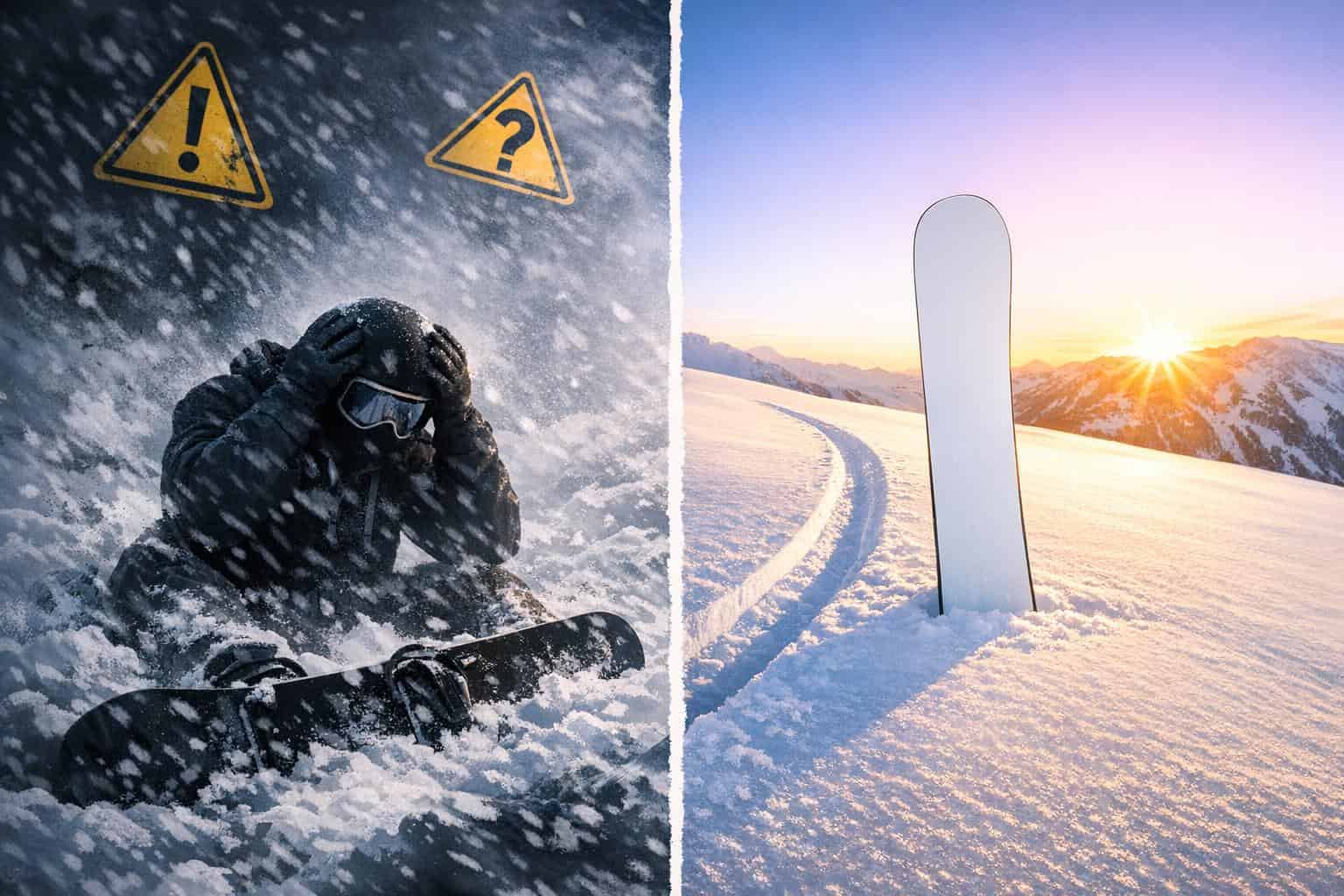
The Lectra Leaf is easiest to understand when you stop asking whether it is good and start asking what tradeoffs it makes.
Pros
- Soft accessible flex: A 4 out of 10 flex should feel less intimidating for slower-speed learning and early turn practice.
- Progression-minded profile: Cam-Out Camber gives this board a more structured personality than very loose rocker-first choices.
- Directional twin versatility: The shape makes sense for learning, cruising, and exploring more of the mountain without over-specializing too early.
- Narrow-waist appeal in smaller sizing: The 138 cm listing with a 227 mm waist may be meaningful for riders with smaller boots who dislike sluggish edge changes.
- Current-season availability: Shoppers who want a newer model can check current stock instead of only digging through older closeouts.
Cons
- Likely not the bargain-first choice: Current-season boards are not always the cheapest path.
- Not a pure rocker board: If you want the loosest possible feel, this profile may not be your favorite.
- Rider weight not published in the supplied context: Some buyers may need more sizing guidance before feeling confident.
- May be too soft for aggressive progression: Stronger riders who already ride fast may want a stiffer platform.
Choosing a snowboard is like packing for a mountain trip. The right gear depends on your route. A light jacket is perfect for one day and foolish for another. The Lectra Leaf’s pros are real for the rider who wants forgiveness plus progression. Its cons are only dealbreakers if they conflict with your priorities.
Take two beginners. One wants the cheapest board possible because she only rides twice a year with friends. The other is planning multiple weekends, wants to stop renting, and is already thinking about cleaner turns. The same Lectra Leaf can look overpriced to the first rider and sensible to the second. That is why value is not just a number; it is the relationship between the board and the season you expect to have.
The objection is whether the cons are serious enough to avoid the board. For the right rider, probably not. For the wrong rider, absolutely. That is the filter.
Price and Value: Check the Current Price, Then Judge the Fit
Do not decide whether the Nitro Lectra Leaf is worth it until you know two things: the current price and whether the fit logic actually matches you.
This review will not name a specific price because snowboard pricing changes, sizes sell through, and current-season models can move differently from closeout inventory. What matters is whether the board helps you avoid the more expensive mistake: buying something that feels safe for one weekend and limiting for the rest of the season.
The cheapest board is not always the least expensive board. It is like buying boots that almost fit. The number on the tag feels like a win until your feet hurt so badly that every run becomes damage control.
A simple value framework:
| If this matters most | How to think about the Lectra Leaf |
|---|---|
| Lowest possible price | Compare closeout beginner boards first |
| Forgiveness with progression | Lectra Leaf becomes more compelling |
| Smaller-boot responsiveness | Pay close attention to the narrower size options |
| Published weight guidance | Pause until you can confirm sizing confidence |
| Fast, aggressive riding | Consider a stiffer progression board |
A buyer might save a little upfront on a random soft board, then realize next winter that she wants more edge support and starts shopping again. Another buyer might pay more for a better-matched board and ride it with more confidence because it fits her actual learning path. Neither shopper is automatically wrong. The difference is whether the purchase matches the job.
The objection is whether it is worth paying for a current model instead of waiting for a sale. If budget is the deciding factor, waiting or shopping closeouts can make sense. If fit, size availability, and progression feel matter more, checking the current Lectra Leaf price is the practical next step.
Nitro Lectra Leaf Alternatives to Compare Before You Decide
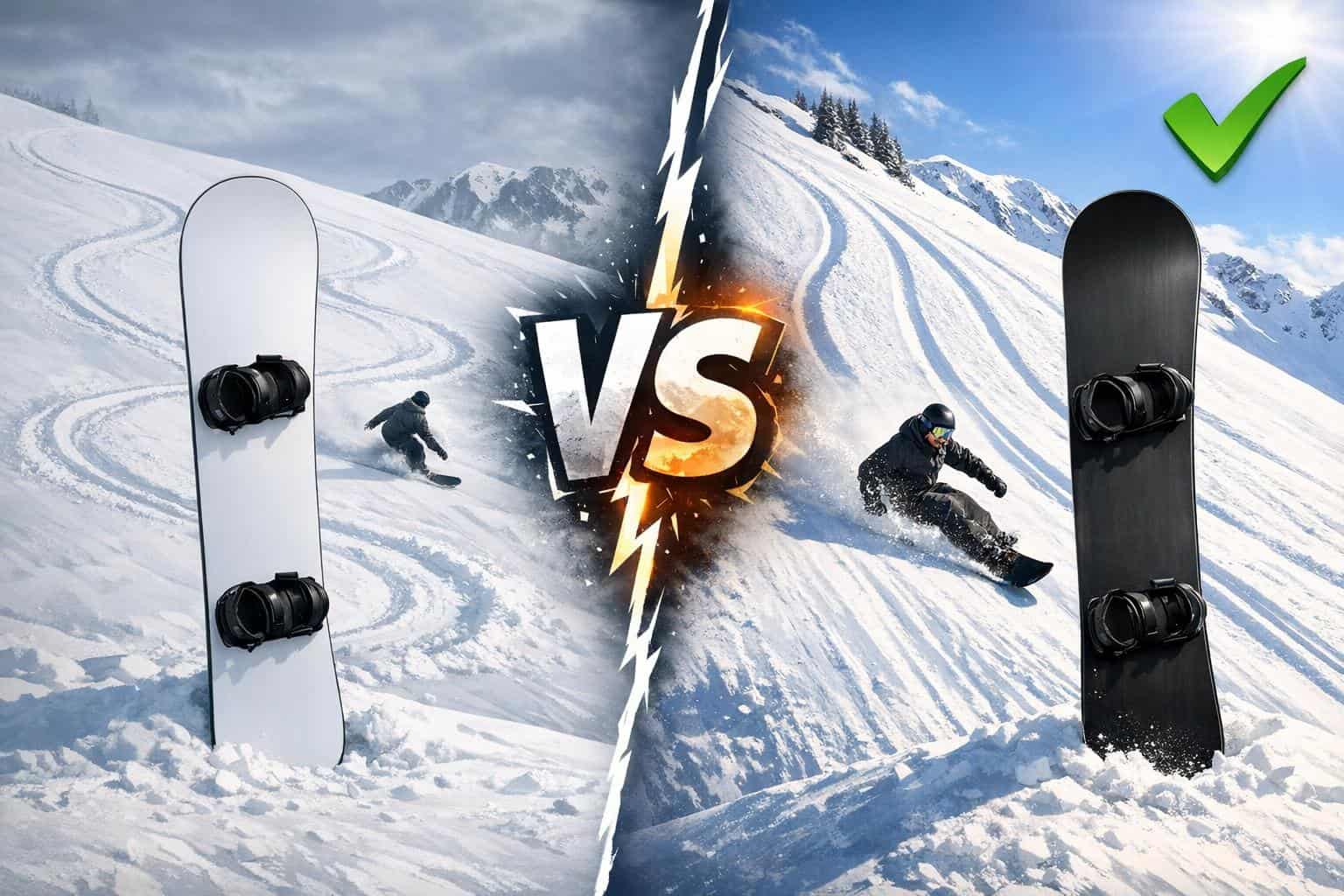
You do not need to research forever. You just need to compare the right alternatives.
The mistake most people make is comparing every beginner snowboard against every other beginner snowboard as if they all solve the same problem. They do not. Some are built around price. Some are built around looseness. Some are built around progression. Some are simply better matches for different boot sizes, confidence levels, and riding goals.
Think of it like choosing a ski trail. A green, a green-blue, and an easy blue can all be reasonable, but the right one depends on your actual control that day.
Compare these three alternative paths
| Alternative path | Choose this if | Why it might beat the Lectra Leaf |
|---|---|---|
| Cheaper closeout beginner women’s board | Budget is the main driver | Older inventory may be discounted more heavily |
| More rocker-focused beginner board | Maximum looseness matters most | It may feel more catch-free and surfy for nervous riders |
| Stiffer progression board | You already ride confidently and faster | More stiffness can offer better support at speed |
Here is how that plays out. A nervous first-timer who mostly wants to survive a few resort days may prefer a softer, rocker-heavy board that feels extremely loose. A motivated rider on her second or third trip, already linking cautious turns, may prefer the Lectra Leaf because it does not feel like a throwaway. A fast improver who is already chasing stronger friends may be better off looking stiffer from the start.
The objection is whether you should keep researching instead of buying. Research helps until it becomes avoidance. If you know your top priority, use it. If you do not, see the best beginner women’s snowboard options by rider type and narrow from there.
Final Recommendation: Buy It If You Want Forgiveness With a Progression Nudge

The Nitro Lectra Leaf is for the beginner woman who wants a board that says yes, you can learn this, without pretending you will stay on day one forever.
Its soft 4 out of 10 flex keeps it approachable. Its Cam-Out Camber gives it a more progression-minded personality than a purely loose rocker board. Its directional twin shape keeps the use case broad enough for learning, cruising, and exploring. And in smaller sizing, the narrow waist context may be meaningful for riders whose boots and body mechanics do not pair well with wider beginner boards.
The cautions are just as important. It is not the obvious pick if you only want the lowest closeout price. It is not the board for riders who want maximum rocker looseness. It is not a stiff platform for aggressive intermediates. And because the supplied product context does not include a rider-weight chart, sizing should be checked carefully before buying.
Return to the raised training wheels idea. The best beginner setup does not keep you dependent. It gives you enough support to stop panicking and enough feedback to start improving. That is the Lectra Leaf’s lane.
Imagine the season you actually want: fewer mystery rentals, less second-guessing, more familiar turns, and a board you can learn with instead of immediately shopping around again. That is the transformation this board is trying to offer. Not expert performance overnight. Just a clearer, calmer path from hesitant beginner to more confident rider.
If that sounds like your fit profile, check the current price and size availability. If you are still comparing, use the broader guide as your second path.
Still deciding? Compare it with other beginner women’s snowboard picks before you buy.
The Gear Lady evaluates gear using the Ergonomic Matrix — a published framework applied to manufacturer specs, standards ratings, and aggregated owner reports from women who share their measurements. We don’t field-test every product we cover. We earn commission on some links — as an Amazon Associate, The Gear Lady earns from qualifying purchases — and it never affects a score.
