
K2 Dreamsicle Review: An Easy All-Mountain Board (and Package) for Beginner Women

Is the K2 Dreamsicle the One-Board Shortcut Beginner Women Actually Need?
You are tired of rentals. Not just the soggy boots or the mystery bindings, but the feeling that every trip starts with gear you have to negotiate with before you can actually ride. So you open a few tabs, type in K2 Dreamsicle review, and suddenly you are staring at board sizes, flex ratings, rocker profiles, boot systems, bindings, package deals, and price differences that make no obvious sense.
What you want is simpler: one board that feels manageable on groomers, does not punish every imperfect turn, can handle a little soft snow, and does not require you to become a snowboard tech overnight.
Picture Maya, a weekend rider who can link turns but still feels nervous when the snow gets chopped up. She finds a cheap board, then realizes she still has to choose bindings and boots. The savings start to look less useful when every extra decision creates a new way to get the setup wrong.
That is where the K2 Dreamsicle starts to make sense. It is not trying to be the most aggressive board on the hill. It is positioned as a mellow women’s all-mountain board for beginner-to-intermediate riders, with a complete package option that may simplify the whole gear stack.
Best for:
- Beginner women moving from rentals to their first owned board
- Beginner-to-intermediate riders who mostly ride groomers with occasional soft snow
- Shoppers who want one board instead of a quiver
- Budget-conscious buyers considering a complete board, binding, and boot package
- Riders who value forgiving handling over aggressive performance
Not ideal for:
- Advanced riders who want a stiff, powerful board
- Park-first riders focused on jumps, rails, and freestyle progression
- Riders who need a published weight-range chart before choosing a size
- Shoppers chasing premium high-speed carving performance
- Anyone who already owns compatible bindings and boots and does not need a package
If you already know you want forgiving, simple, and resort-ready, start by checking current price and availability. If you are still comparing first-board options, keep the best beginner women’s snowboard picks open in another tab.

Quick Verdict: Who the K2 Dreamsicle Makes Sense For
The K2 Dreamsicle makes the most sense for beginner-to-intermediate women who want their first real setup to feel less intimidating. Think of it like a confidence-building trail bike, not a downhill race machine. It is built around easier resort days: groomers, soft snow along the edges, and the occasional light powder morning where you want to explore without feeling like your board is fighting you.
For a newer rider, the main appeal is not some complicated spec flex. It is the likely on-snow outcome: easier turn initiation, a more forgiving feel, and less pressure to ride aggressively before you are ready. For an intermediate rider who already links turns and wants to cruise more of the mountain, the Dreamsicle can still make sense as a mellow all-mountain daily driver. For an advanced rider, the ceiling is the tradeoff. If you want stronger edge power, a stiffer ride, or terrain-specific performance, this is probably not the board to build around.
A realistic example: Maya rides five to ten days a season. She is done renting, but she is not trying to straight-line steep groomers or spend the day in the park. She wants one setup for weekend resort days with friends, where she can link turns, try mellow blue runs, and not panic if the snow gets softer by lunch. For Maya, a forgiving all-mountain board is not a compromise. It is the point.
What most newer riders get wrong is assuming beginner-friendly means disposable. That can happen with the wrong board, but forgiving does not automatically mean useless after ten days. A mellow board can be the thing that helps you ride enough to actually progress.
Choose the K2 Dreamsicle if:
- You want easy turning more than aggressive response.
- You ride mostly groomers and casual resort terrain.
- You like the idea of a complete package because boot and binding matching feels stressful.
- You would rather buy for your real mountain days than a fantasy version of yourself.
Skip it if:
- You already ride fast and want a board that pushes back.
- You are park-first and want a twin-oriented setup.
- You need a published rider weight range before you can confidently choose a size.
- You already own boots and bindings you love.
The objection is obvious: what if you outgrow it too fast? The counterpoint is just as important: if a board is too stiff or technical right now, it may slow your progression before you ever reach the level where those specs matter.
The Real Problem: Buying Your First Setup Can Get Complicated Fast
Buying your first snowboard setup looks simple until you realize a board is only one piece of the system. You still have to think about size, shape, flex, bindings, boots, boot fit, binding compatibility, and whether the deal you found is actually a deal once everything else is added.
It is like furnishing a kitchen. Buying the fanciest knife does not help much if the cutting board is too small, the pans do not fit your stove, and none of it matches how you actually cook. Snowboard gear works the same way. A more advanced-sounding board does not automatically create a better day if the full setup feels awkward.
For beginners, the confusion is immediate: What size should I ride? Is mellow flex too soft? Do I need rocker, camber, or something in between? Are package bindings good enough? For intermediates upgrading from rentals, the risk is overbuying because you want gear that sounds more serious. For advanced riders, the package angle matters less because they usually know how they want each component to feel.
Here is the common trap. A shopper spots a low board-only price and feels like she found the win. Then she adds bindings. Then boots. Then she worries whether the boots fit the bindings well, whether the bindings fit the board, and whether the flex balance makes sense. Suddenly the cheap board has become a three-part puzzle with budget creep.
This is why the Dreamsicle package is worth considering if you are starting from zero. A package is not automatically more serious or less serious than building a setup piece by piece. It is simply a different buying path. If it reduces compatibility stress and gets you onto a reasonable beginner-to-intermediate setup faster, that convenience has real value.
The false belief to drop: the smartest first setup is the most technical one you can afford. No. The smartest first setup is the one that matches your current riding, supports confidence, and does not create friction before you even make it to the lift.
If this section made you realize you want to compare several first-board options before committing, use the best beginner women’s snowboard picks as your backup route.
Specs That Matter: Mellow Flex, Directional Rocker, and Directional Shape
Specs are the ingredients list. Riding feel is the meal. The useful question is not whether a spec sounds impressive; it is what that spec is likely to do for your actual day on snow.
For the 2026 K2 Dreamsicle, the verified specs that matter here are straightforward:
- Women’s snowboard model
- Mellow flex
- Directional rocker
- Directional shape
- Available sizes: 138, 142, 146, 149, and 153 cm
- Complete package option with Rossignol Myth bindings and Rossignol Alley Boa boots
A mellow flex usually points toward easier turn initiation and a more forgiving ride. For a beginner, that can mean the board feels less punishing when your pressure is not perfect. For an intermediate rider, it can mean relaxed cruising and easier adaptation in softer snow. For an advanced rider, it may also signal the limit: less stiffness and power than someone might want for hard charging or high-speed precision.
Directional rocker and directional shape are clues about purpose. This is not shouting park twin. It is telling you the board is aimed more at cruising, resort riding, and all-mountain directionality. If your idea of a good day is linking turns on groomers, wandering into soft edges, and building comfort across the mountain, that direction makes sense. If your idea of progression is riding switch, hitting rails, and living in the park, you may want to compare other shapes.
Maya sees mellow flex and directional shape and finally stops reading specs like a foreign language. She translates it into a real outcome: this board is meant to help her cruise, turn, and explore common resort terrain. It is not trying to make her a park rider overnight, and that is actually reassuring.
The sizing objection matters. The source page read did not publish a rider weight range, so you should confirm sizing on the retailer page before buying. Size choice should not be guessed from height alone if better guidance is available at checkout.
Use this quick filter:
| Spec | What it suggests for beginners | Tradeoff to notice |
|---|---|---|
| Mellow flex | More forgiving feel and easier turn entry | Less powerful for aggressive riders |
| Directional rocker | Friendly all-mountain cruising and soft snow usability | Not the same as a locked-in camber charger |
| Directional shape | Better aligned with riding forward around the resort | Less park-focused than a true twin |
| Sizes 138-153 cm | Range for different rider sizes | Confirm weight guidance before choosing |
If you want to see how flex and shape compare across other beginner-friendly boards, compare it against the best beginner women’s snowboard picks.
Board Only or Complete Package: Which Buying Path Is Smarter?
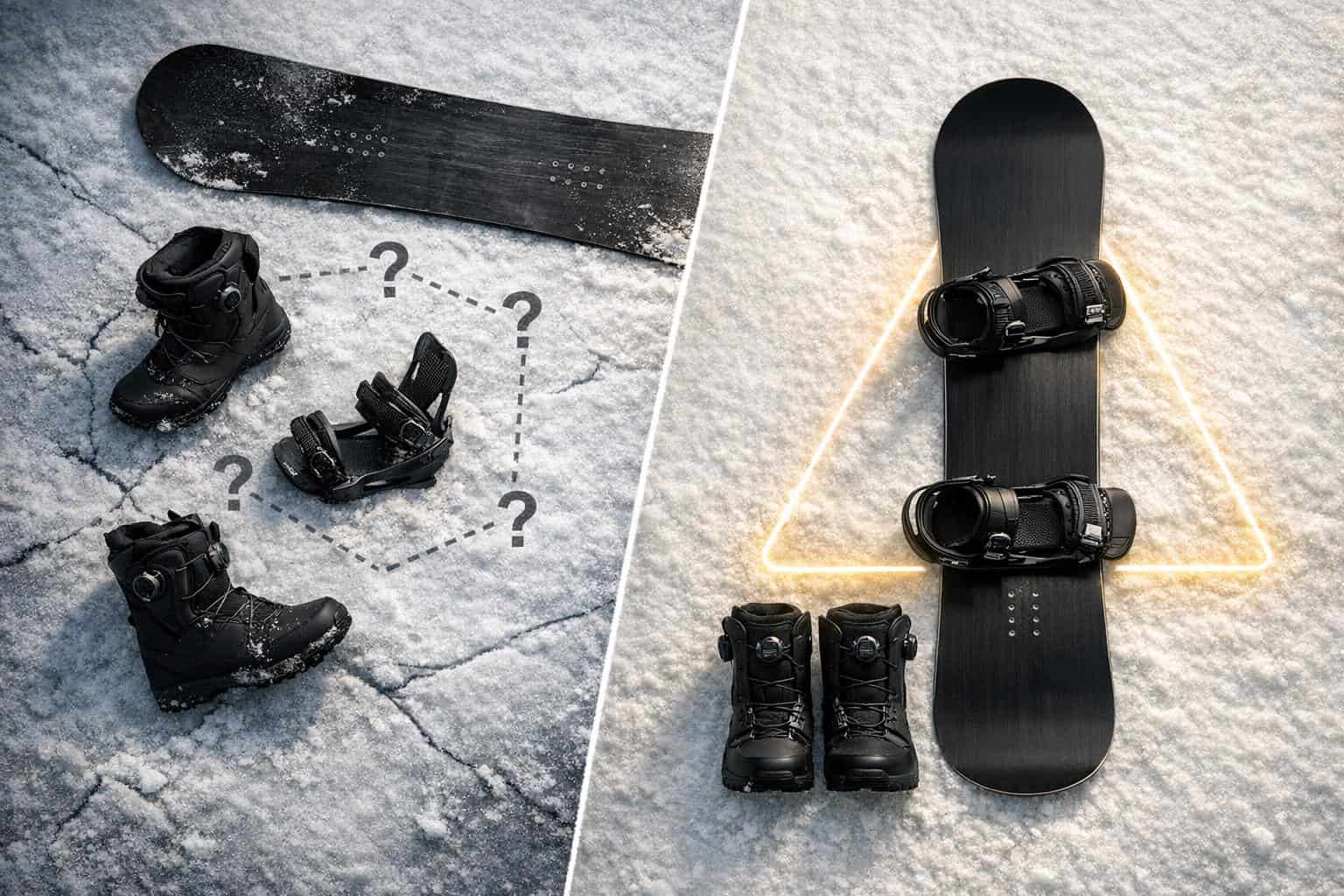
The K2 Dreamsicle is sold as a board on its own, and Skiessentials also lists it as a complete package with Rossignol Myth bindings and Rossignol Alley Boa boots. The button on this page opens current board listings, so look the package up separately if you want all three pieces in one order. That package question is not a tiny detail. For many first-time buyers, it is the difference between one decision and three separate decisions.
Think of it like buying a camera kit. If you are starting out, the bundled lens can be useful because it gets you shooting without needing to research every mount and focal length. If you already know exactly what lens you want, the kit matters less. Snowboard packages work the same way.
For a beginner with no gear, the package can remove compatibility stress. You are not trying to match board, binding, and boot from scratch. For an intermediate rider who already owns boots that fit well, board-only may be smarter. Boots are personal, and a good boot fit can matter more than almost any other part of the setup. For an advanced rider, board-only is usually the more logical path because response, binding feel, and boot stiffness become more specific preferences.
Here is a realistic split. Maya has no gear and dreads making three separate purchases. She compares the package price, confirms sizing, and likes the simplicity. Her friend already owns boots she loves and bindings that are compatible, so she buys board-only and avoids paying for pieces she does not need. Neither shopper is wrong. They just have different starting points.
| Buying path | Best if you… | Watch out for… |
|---|---|---|
| Board only | Already own compatible boots and bindings, or want to choose each component yourself | Total setup cost may rise if you still need bindings and boots |
| Complete package | Are starting from zero and want fewer compatibility decisions | Make sure boot sizing, board size, and package details fit you |
| Keep comparing | Are unsure about flex, shape, or riding focus | Do not compare forever if this already matches your real terrain |
The objection: are package bindings and boots good enough for a beginner setup? Based on the available product positioning, the package is meant to simplify a beginner-friendly setup, not create a custom expert build. If you want highly specific response or premium components, build piece by piece. If you want a simpler path into owned gear, the package deserves a look.
Before you choose, use this decision framework:
- Start with boots. If you already have boots that fit well, board-only may make sense.
- Check compatibility. Do not assume every binding and boot pairing is ideal.
- Price the full setup. A cheap board-only number can be misleading if you still need everything else.
- Match your riding. Buy for groomers and soft snow if that is what you actually ride.
- Confirm sizing live. Package availability and size combinations can change.
Before You Compare One More Tab, Pause Here
This is the moment where many shoppers make the purchase harder than it needs to be. They keep comparing because more research feels safer. But after a point, more tabs do not create clarity. They create a louder gear wall.
Most newer riders are not held back by choosing a board that is too forgiving. They are more often held back by buying gear for a fantasy rider who charges harder, rides steeper, and progresses faster than their real schedule allows. A stiffer board might sound like a longer-term investment, but if it makes turning, stopping, and confidence harder, it can slow the exact progression it was supposed to protect.
If the Dreamsicle matches your actual resort days, that matters more than whether a more technical spec sheet sounds cooler.
How It Should Feel on Groomers, Soft Snow, and Light Powder
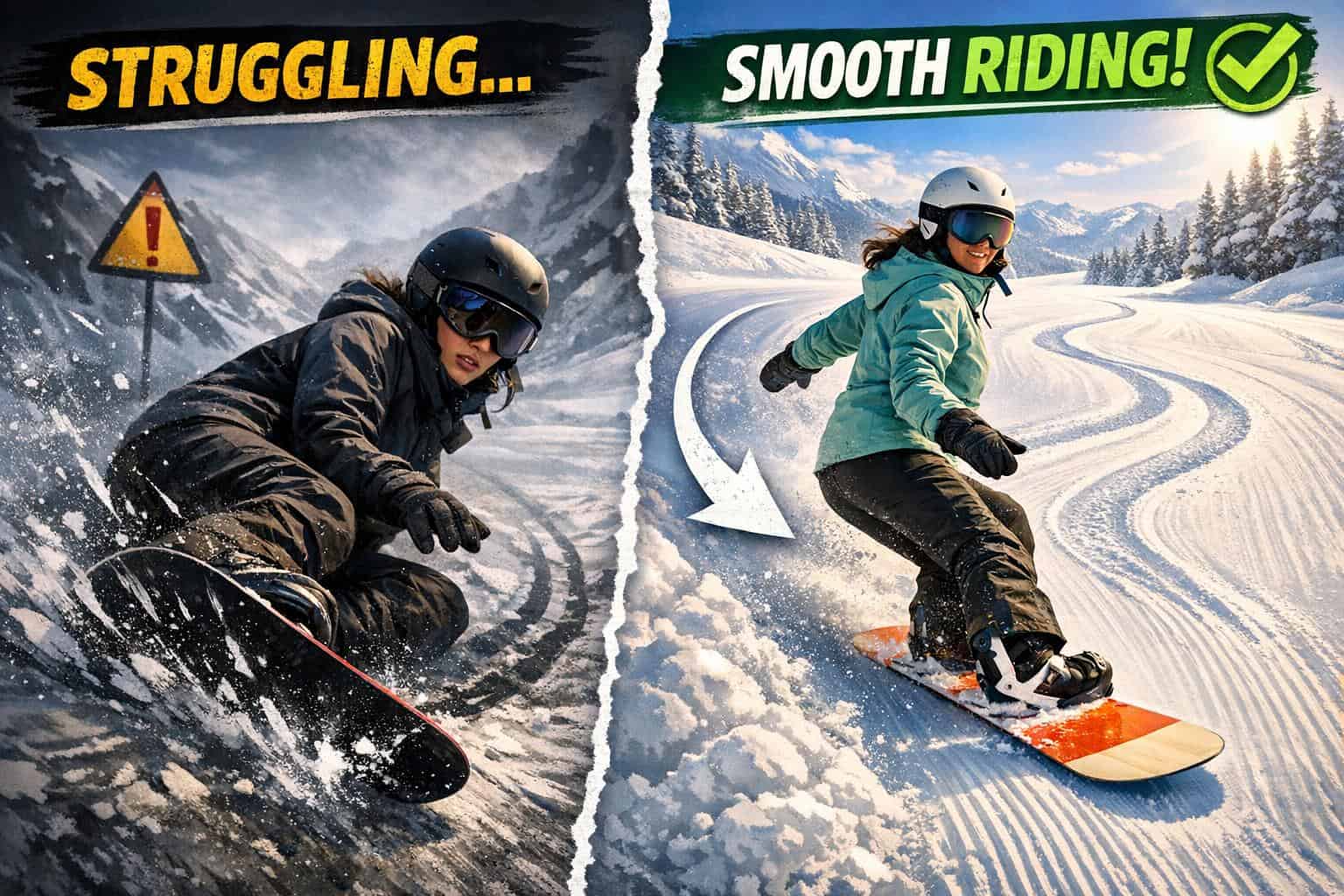
The practical terrain fit for the K2 Dreamsicle is groomers, soft snow, and light powder. That is important because most beginner-to-intermediate resort days are not extreme. They are morning groomers, mellow trails, chopped afternoon snow, and maybe some soft side-stash turns when conditions line up.
This board is more like the winter jacket you wear most days than a specialist expedition parka. You are not buying it because it dominates one extreme condition. You are considering it because it aims at the ordinary resort mix that newer riders actually encounter.
For beginners, that versatility means you do not have to pick a narrow specialty before you know your riding style. For intermediates, it means you can progress without feeling locked into one kind of terrain. For advanced riders, the limitation is clear: light powder and soft snow are not the same thing as deep freeride performance, and easy cruising is not the same thing as high-speed carving authority.
Maya starts her day on groomers with friends. By late morning, the edges of the trail have softened, and she wants to try small pockets of softer snow without feeling like she has the wrong board. She is not dropping cliffs or hunting waist-deep powder. She just wants one board that does not feel confused when the day changes a little. That is the use case where the Dreamsicle feels logical.
A fair objection is whether one board is really enough if you want to progress. For many newer riders, yes, one well-matched all-mountain board is enough for the next stage. Progression does not require a quiver. It requires consistent time on snow, confidence, and gear that does not make common terrain feel harder than it needs to be.
Terrain fit scorecard:
- Groomers: Strong match for the intended rider
- Soft snow: Good practical fit for casual resort exploration
- Light powder: Reasonable expectation, not a deep powder specialist
- Park laps: Not the main reason to buy it
- Aggressive carving: Likely not the best match for stronger riders
If you want a board with a different terrain priority, this is where it makes sense to compare other beginner women’s snowboard options.
Pros and Cons: The Honest Tradeoffs Before You Buy

Every snowboard opens some doors and closes others. The Dreamsicle opens the door to a simpler, more forgiving all-mountain setup for newer women riders. It does not open the door to every possible riding style.
For a beginner scanning on a phone in the parking lot or at home after a rental day, the pros are easy to understand: mellow flex, all-mountain direction, and package availability. For an intermediate rider, the decision is about whether ease and value matter more than a higher performance ceiling. For an advanced rider, the cons are not small details. They are the reasons to look elsewhere.
- Forgiving mellow flex for riders who want easier handling rather than a demanding board.
- Beginner-to-intermediate fit that makes sense for moving beyond rentals.
- Directional all-mountain design aimed at cruising, groomers, soft snow, and light powder.
- Complete package availability with Rossignol Myth bindings and Rossignol Alley Boa boots.
- Budget-friendly positioning compared with building a more premium custom setup, though live pricing should always be checked.
- Not ideal for aggressive advanced riders who want a stiff, powerful board.
- Not a park-first pick if your main goal is jumps, rails, switch riding, and freestyle progression.
- No rider weight range was published on the source page read, so sizing needs confirmation before purchase.
- Current pricing can change, especially between board-only and package options.
- Performance ceiling may be lower for riders who want premium carving power or technical freeride response.
Consider two buyers. One chooses the Dreamsicle because she wants easy resort progression, fewer setup decisions, and a board that makes groomers feel more fun. Another skips it because she already rides fast, wants stronger edge hold, and has specific bindings in mind. The board did not fail the second buyer. It simply was not built around her priorities.
If the drawbacks apply to you, do not force the fit. If they do not, do not let the existence of tradeoffs scare you away. Every board has tradeoffs. The useful question is whether they are tradeoffs you actually care about.
Better Alternatives If the Dreamsicle Is Not Your Fit
The right snowboard is a shoe fit, not a popularity contest. The K2 Dreamsicle can be a smart pick and still not be your pick.
If you want something more freestyle-focused, look for beginner-friendly boards that lean more twin-oriented and park-capable. If you want more aggressive all-mountain performance, compare boards with a stiffer feel and construction aimed at stronger riders. If your biggest need is package simplicity, compare other package-friendly options. If your only priority is the lowest possible cost, keep the full setup price in view so a cheap board-only deal does not fool you.
For beginners, the alternative signals are simple: want park, want speed, want the cheapest possible setup, or want the easiest package path. For intermediates, the question becomes whether mellow flex still matches your progression or whether you are ready for more response. For advanced riders, prioritize construction, camber profile, edge feel, and component choice in other reviews.
Maya stays with the Dreamsicle because her real goal is clean resort progression. Her friend wants to spend more time in the park, ride switch, and practice small jumps, so she clicks over to compare freestyle-leaning beginner boards. That is not indecision. That is fit-based shopping.
If you like the idea of the Dreamsicle but are not fully sure, the best next step is not another random search. Compare it inside a narrower set of beginner women’s snowboards so you can see whether another flex, shape, or riding focus matches you better.
Use this decision map:
- Want easy groomer confidence and soft snow versatility? Keep the Dreamsicle on your shortlist.
- Want park progression first? Compare freestyle-leaning beginner boards.
- Want to ride faster and harder? Look at more aggressive all-mountain options.
- Want the simplest first setup? Compare package-friendly options.
- Need the lowest total spend? Price board, bindings, and boots together before deciding.
Final Recommendation: Buy It If You Want Easy, Simple, and Resort-Ready

The K2 Dreamsicle is worth considering if you are a beginner-to-intermediate woman who wants one easy all-mountain board for groomers, soft snow, and normal resort days. Its mellow flex, directional rocker, and directional shape point toward forgiving cruising rather than aggressive technical riding. The complete package can also make sense if you want to avoid mismatched components and simplify the board-binding-boot decision.
It is not the board I would push toward aggressive riders, park-first riders, or anyone who already knows they want a stiffer, more powerful setup. Those riders should compare alternatives instead of trying to make a mellow board do a job it was not meant to do.
But if this board matches your real mountain days, stop shopping like you are buying for someone else. You do not need the most intimidating spec sheet. You need a setup that helps you ride more, hesitate less, and build confidence without turning every gear decision into homework.
Maya checks the current package price, confirms her size options, and chooses the setup because she wants more riding time and less gear confusion. That is the transformation: from tab overload to a clean next step.
If you are an exact-fit buyer, check current price and confirm the live sizing and package details. If you are still unsure, compare the best beginner women’s snowboard picks before you buy.
The Gear Lady evaluates gear using the Ergonomic Matrix — a published framework applied to manufacturer specs, standards ratings, and aggregated owner reports from women who share their measurements. We don’t field-test every product we cover. We earn commission on some links — as an Amazon Associate, The Gear Lady earns from qualifying purchases — and it never affects a score.
