
Beginner Snowboard Gear Guide for Women 2026
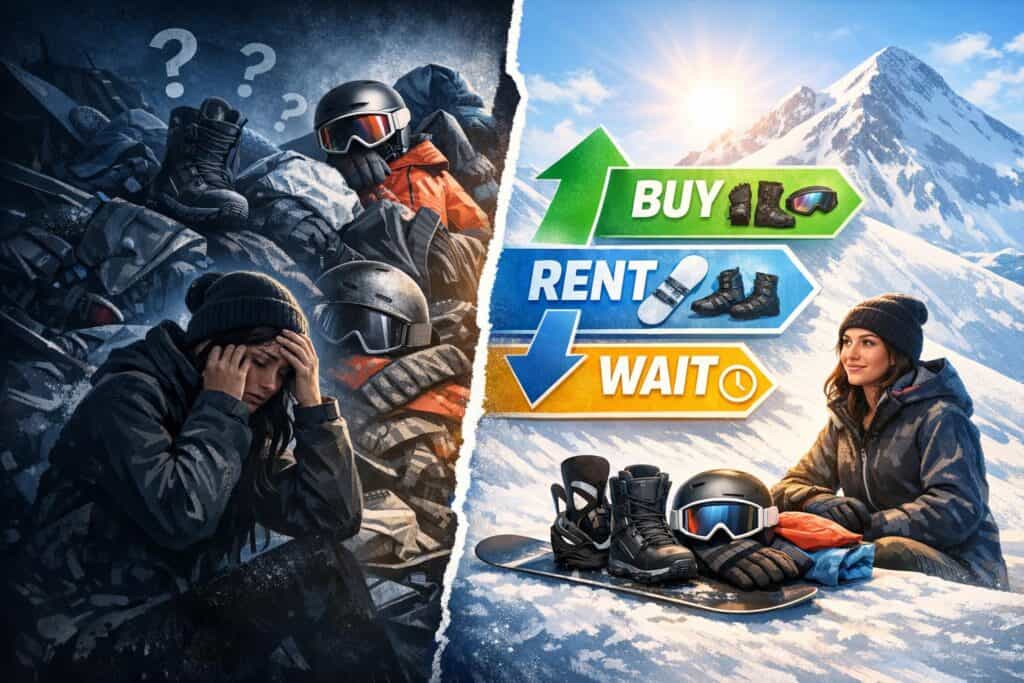
Stop Guessing What Snowboard Gear You Actually Need First
The decision shortcut: buy what touches your body or protects you first. Rent what depends on stance, board feel, terrain, and riding style.
It is the night before your resort trip. The weather tab says cold. The resort confirmation email is still open. Your shopping cart has a helmet, goggles, gloves, socks, pants, a jacket, maybe boots, maybe a board, and somehow you still do not know if you are prepared.
That is the frustrating thing about beginner snowboard gear: every item sounds urgent when you are new. The board seems important because it looks like the main event. The boots seem expensive. The jacket is cute but confusing. The gloves look warm until you realize snowboarding means sitting, kneeling, falling, and pushing yourself up with your hands all day.
What you actually want is not a perfect expert setup. You want to show up warm, dry, safe, and not secretly miserable while everyone else is having fun. You want gear that fits your body instead of smaller men’s gear that technically zips but pulls, pinches, gaps, or makes you feel like you are fighting your outfit.
So use a simpler filter: first-trip gear is not about owning everything. It is about removing the problems that ruin day one.
Best for
- Women planning a first or second snowboard trip who need a clear priority list
- Beginners overwhelmed by boards, boots, bindings, outerwear, goggles, gloves, helmets, and layers
- Shoppers trying to stay warm and safe without buying a full setup too early
- Readers comparing snowboard-specific brands like Burton but still needing beginner education
Not ideal for
- Advanced riders looking for deep camber, flex, and board profile breakdowns
- Riders who already know their boot size, stance, terrain preference, and board style
- Shoppers who only want one specific product review instead of a full gear roadmap
If you already want the shopping version, start with our beginner-friendly women’s snowboard gear picks. If you want to understand what matters before comparing products, keep reading.

The Simple Rule: Buy Comfort and Safety First, Rent the Ride-Style Gear
Here is the money-saving truth: if you are truly new, your first snowboard purchase probably should not be a snowboard.
That sounds backwards until you think about what can actually ruin your day. A board that is not perfect may still get you through a beginner lesson. Freezing fingers, wet pants, fogged goggles, a loose helmet, or boots that crush your toes can end the day early. The board is the car. Your warmth, visibility, and safety gear are the tires, windshield, seatbelt, and winter coat for a stormy road trip. Do not obsess over the stereo if the basics are failing.
Use this first-trip gear filter:
| Gear bucket | What it includes | Buy, rent, borrow, or wait? | Why it matters |
|---|---|---|---|
| Protection | Helmet, goggles, face coverage | Buy or borrow carefully | Fit and visibility are personal and safety-related |
| Warmth | Base layers, mittens, socks, jacket, pants, neck gaiter | Buy, borrow, or reuse if snow-appropriate | Cold and wet beginners stop learning fast |
| Personal fit | Boots, socks, helmet, gloves | Buy if repeated trips are planned | Bad fit creates pain, fatigue, and poor control |
| Ride-style gear | Snowboard and bindings | Rent first | Board length, flex, stance, and bindings make more sense after time on snow |
A beginner named Maya might spend $500 on a shiny discounted board and then wear cheap knit gloves because she is trying to save money. By lunch, her hands are soaked, her rental boots feel sloppy, and she is too cold to care about the board. Her friend rents the board, buys warm waterproof mittens, uses proper socks, and checks helmet fit. She is not more advanced. She simply spent in the order discomfort was most likely to show up.
The common objection is that renting feels less committed. But renting your board early is not a lack of commitment. It is test-driving before buying a car for roads you have never driven. Once you know whether you like mellow groomers, faster turns, park laps, or all-mountain cruising, board profile, flex, and bindings become worth owning. Until then, protect your body and rent intelligently.
If you want product options after this framework, use the women’s beginner snowboard gear roundup as your shopping companion.
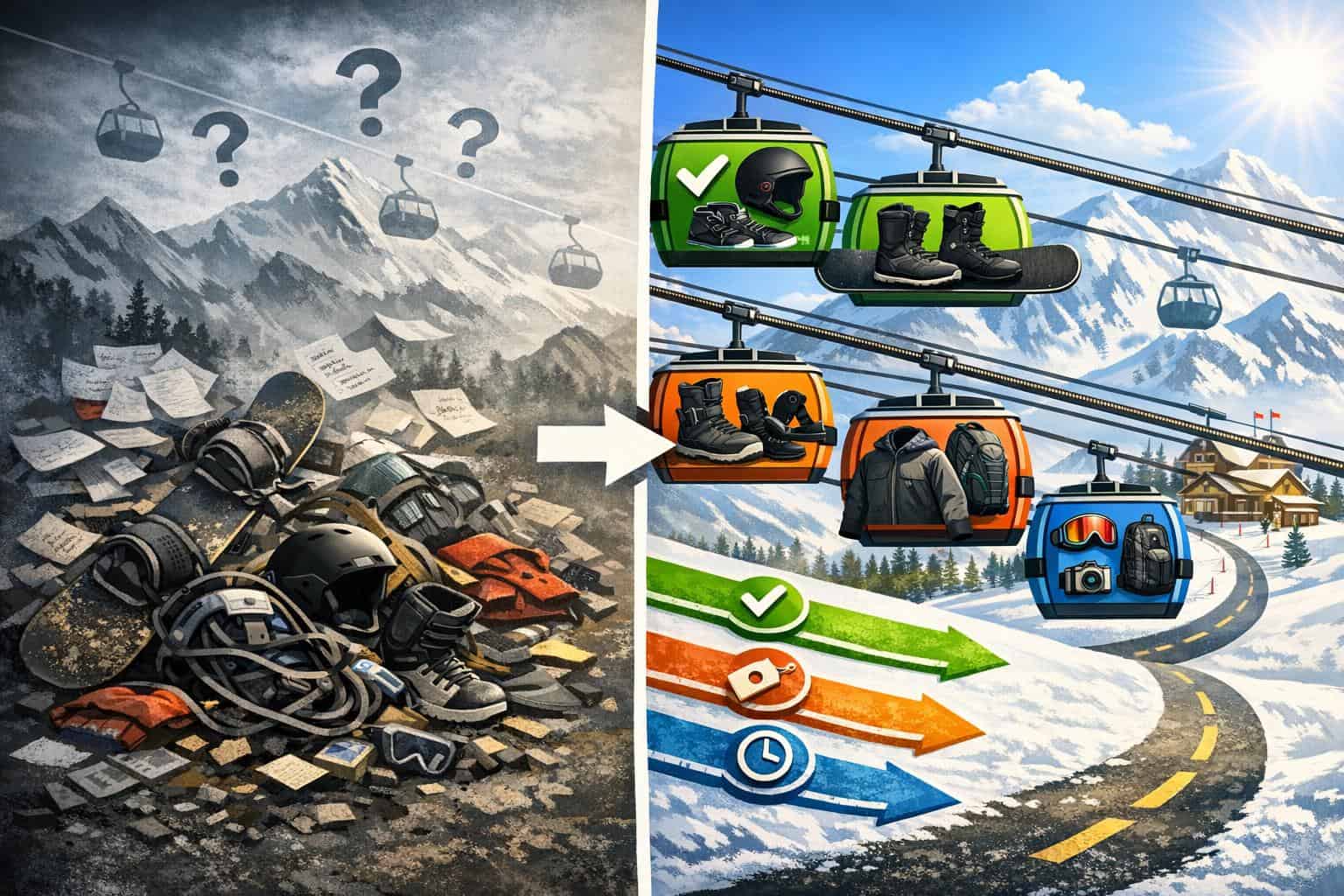
Your First Snowboard Gear Checklist for a Warm, Dry Resort Day
Think of warmth like building a house. Your base layer is the foundation, insulation is the walls, outerwear is the roof, and your mittens, socks, neck gaiter, and goggles seal the drafty gaps. If one part fails, the whole system feels worse.
For a first resort day, focus on these essentials:
Must-have for most beginners
- Helmet: A proper snow helmet, not a bike helmet. It should sit level and snug without sliding around.
- Goggles: They protect your eyes from wind, snow, glare, and cold air. Sunglasses are rarely enough for learning days.
- Waterproof mittens or gloves: Mittens are often warmer for beginners, especially if your hands run cold.
- Snowboard socks: One pair. Do not double up. Extra socks create bunching, pressure, and colder feet.
- Non-cotton base layers: Synthetic or wool layers help manage sweat. Cotton holds moisture and chills you.
- Insulating midlayer: Fleece, wool, or another warm layer under your shell.
- Waterproof jacket and pants: Beginners sit and fall often, so waterproofing matters more than you think.
- Neck gaiter or face covering: Small item, huge comfort difference in wind.
- Sunscreen and lip balm: Snow reflects sun even when the day feels cold.
Nice to have, but not always urgent
- Extra goggle lens for different light conditions
- Glove liners for very cold days
- Small backpack if you know you will carry layers or snacks
- Impact shorts or knee pads if you are worried about falls
- Hand warmers for cold-sensitive riders
One first-timer wore cotton leggings, regular gym socks, and cute winter gloves because she assumed a ski-town outfit just needed to look warm. By the second run, the gloves were wet, the leggings were damp, her socks had bunched inside rental boots, and she spent half the afternoon in the lodge. Nothing about that made her less capable. Her clothing system simply failed the job snowboarding asks it to do.
If you are worried about budget, separate items into essential, borrowable, rentable, and later-upgrade. You may be able to borrow a waterproof jacket, reuse a non-cotton athletic base layer, or rent a helmet with your package. But do not skip socks, hand warmth, or waterproof pants if conditions are cold and wet.
Before buying, check the resort rental package and the forecast. A sunny spring lesson and a stormy January trip require different layering choices. When you are ready to compare current options by category, see our beginner-friendly women’s snowboard gear picks.
Boots Matter More Than Beginners Expect
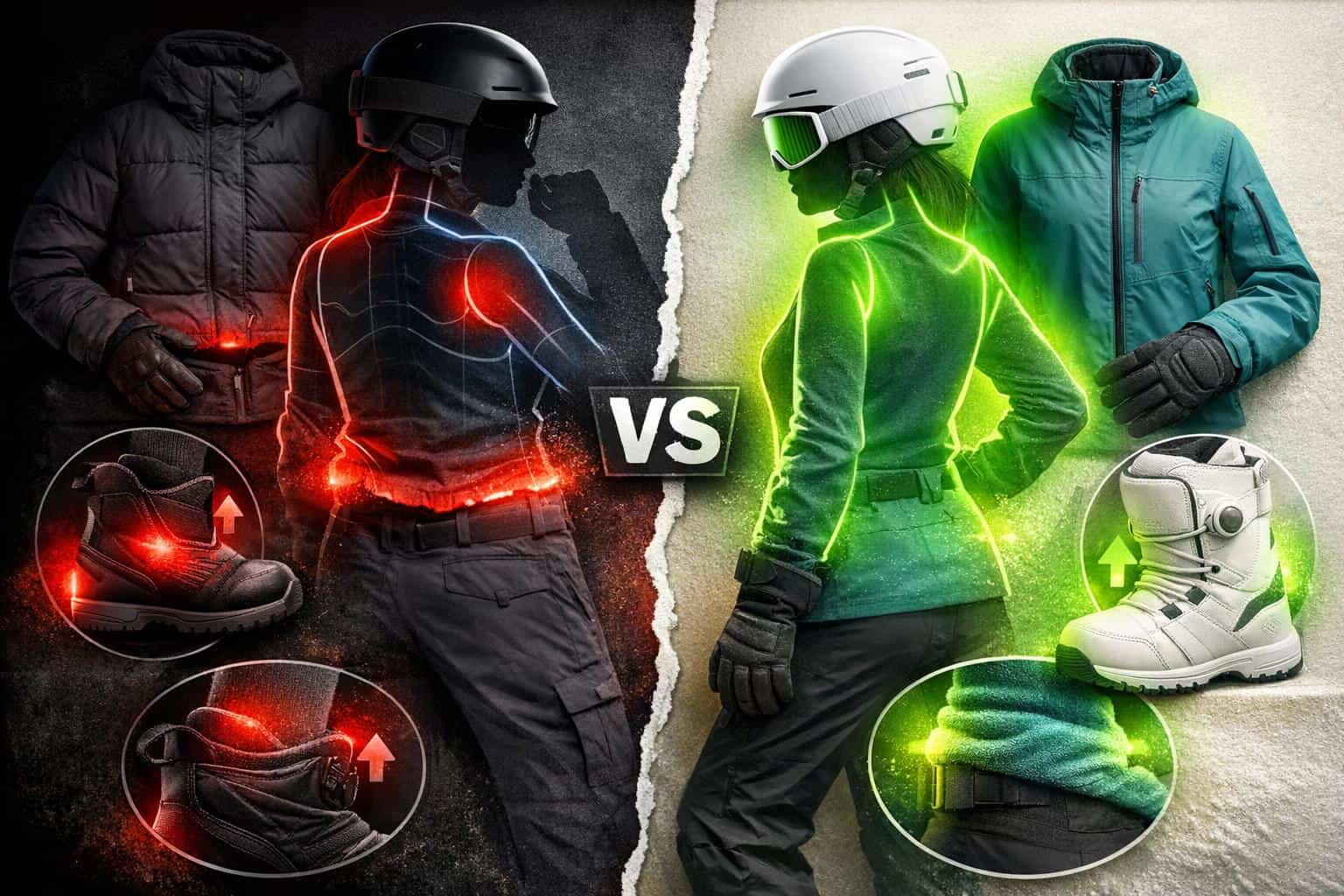
Boots are where many beginner days quietly go wrong. They affect comfort, control, confidence, and how tired your legs feel. If your heel lifts every time you try to turn, you may blame yourself for being bad at snowboarding when the real issue is that your foot is swimming inside the boot.
A decent beginner boot should feel snug, not torturous. Your toes may lightly touch the end when standing upright, then pull back slightly when you bend your knees into riding posture. Your heel should stay secure. You should not feel sharp pain, calf crushing, numbness, or pressure points that make you want to unlace immediately.
A rider named Erin spent her first lesson thinking she was weak because every turn felt delayed. She kept tightening the rentals, then loosening them because her toes went numb. Later, a fitter noticed the boots were oversized and her heel was lifting badly. With a smaller boot and better heel hold, she still fell, of course, but she could finally feel what the board was doing. The gear did not make her instantly skilled. It stopped hiding the feedback she needed.
When renting boots is fine
Rent boots if you are trying snowboarding for one curiosity day, traveling light, or not sure you will go again. Ask the rental shop for help if your toes are crushed, your heel lifts, or your calves feel jammed. Do not accept pain as normal just because you are new.
When buying boots makes sense
Consider buying boots if you have multiple trips planned, rental boots repeatedly hurt, or you know you want to keep learning. Boots are like running shoes for a race you cannot quit halfway through. The wrong fit becomes the entire experience.
For many women, women’s-specific snowboard boots may offer a better match around calf shape, heel hold, and flex. That does not mean every woman must buy women’s-specific boots. It means fit beats assumptions. Soft to medium flex is often beginner-friendly because it is more forgiving, but your body, strength, comfort, and goals still matter.
More advanced comparison factors like lacing systems, liners, heat molding, flex ratings, and boot footprint become useful later. First, solve the simple question: can you bend, stand, strap in, and ride without pain or sloppy movement?
What Women Should Watch for in Unisex Snowboard Gear
Here is what most people get wrong: women’s snowboard gear is not just about color, styling, or making the same item smaller. Fit is a performance issue.
Unisex gear is not automatically bad. Some experienced women choose unisex outerwear, bindings, gloves, or boards because those shapes match their proportions or preferences. The mistake is assuming unisex automatically works just because the size chart has a smaller option.
Check these fit points before you commit:
- Outerwear: Can you squat, sit, reach forward, and twist without pants pulling or jacket hems riding up?
- Sleeves and cuffs: Do sleeves cover your wrists when arms are extended, or do they expose gaps?
- Hips and shoulders: Can you layer underneath without restriction?
- Gloves and mittens: Are they snug enough for control, but roomy enough for warmth?
- Helmet: Does it sit level without shifting when you shake your head?
- Goggles: Do they seal around your face without gaps at the nose or cheeks?
- Boots: Do your heels stay down, and do your calves feel supported instead of pinched?
Trying gear while standing straight in a mirror is like testing kitchen knives without holding them. It might look fine, but the tool is supposed to work in motion. Put on base layers. Bend your knees. Sit like you are strapping in. Reach across your body. If the pants pull tight every time you squat, they may be a lodge outfit, not a learning-day outfit.
One beginner bought sale snow pants that seemed perfect in the dressing room. They fit her waist, looked clean, and were heavily discounted. On the mountain, every time she sat to strap in, the hips pulled, the back gapped, and cold snow worked its way inside. The problem was not the sale. The problem was judging fit in a standing pose instead of a snowboarding posture.
The counterargument is obvious: women’s-specific gear can cost more or feel limited. Fair. But the real choice is not women’s gear versus unisex gear. It is good fit versus bad fit. Use size charts, return windows, and try-on movement tests. Color and sale price are tie-breakers, not the decision.
If you want options that are easier to compare by category, use our guide to women’s beginner snowboard gear.
Snowboard, Bindings, and Stance: What Can Wait Until You Know How You Ride
The snowboard lets you glide and turn. Bindings connect your boots to the board. Stance determines how your feet are positioned. Those things matter, but they are also the pieces that become more personal after you have a few days on snow.
This is the part that can save you the most money: buying a board too early can lock you into a preference you have not developed yet. A discounted board is only a deal if it matches your size, ability, boot fit, terrain, and riding goals. A too-stiff board can make turning feel like arguing with a door that does not want to open.
Imagine a beginner buying a board because it was on sale and looked serious. It was stiffer than she needed, sized poorly, and paired with bindings that did not match her boots well. She spent the first weekend fighting every turn and assuming she was just not athletic. A rental beginner board would not have been glamorous, but it would have been easier to steer while she learned balance, edges, and confidence.
Rental boards are useful because they let you learn without committing. Ask for a beginner-friendly snowboard. Tell the shop your height, weight, boot size, and ability level. If something feels wildly wrong, ask questions. Note what you liked and disliked after the day.
Later, board details matter more:
- Length: Affects stability, maneuverability, and sizing.
- Flex: Softer boards are often more forgiving for beginners; stiffer boards can feel demanding.
- Profile: Camber, rocker, and hybrid shapes influence grip, turn feel, and forgiveness.
- Width: Needs to work with your boot size.
- Terrain use: All-mountain, park, freeride, and powder priorities change the ideal board.
Bindings also need to match your boot size and riding needs. Stance width and angles can be adjusted, but beginners usually benefit from rental shop guidance or lesson support rather than guessing at home.
If you are nervous that rental gear will ruin the experience, upgrade the rental package if the resort offers better beginner rentals, and speak up about fit. Renting does not mean accepting the worst gear in the building. It means gathering information before making the bigger purchase.
How to Stay Warm Without Buying the Most Expensive Everything
Warmth does not require premium everything. It requires a system with no obvious weak spots.
Think of your setup like a leak-proof thermos. If the lid leaks, it does not matter how good the metal walls are. Snowboard warmth works the same way. A nice jacket cannot save wet cotton socks. Expensive pants cannot fix thin gloves. A cozy fleece cannot help much if your outer shell lets snow soak through every time you sit down.
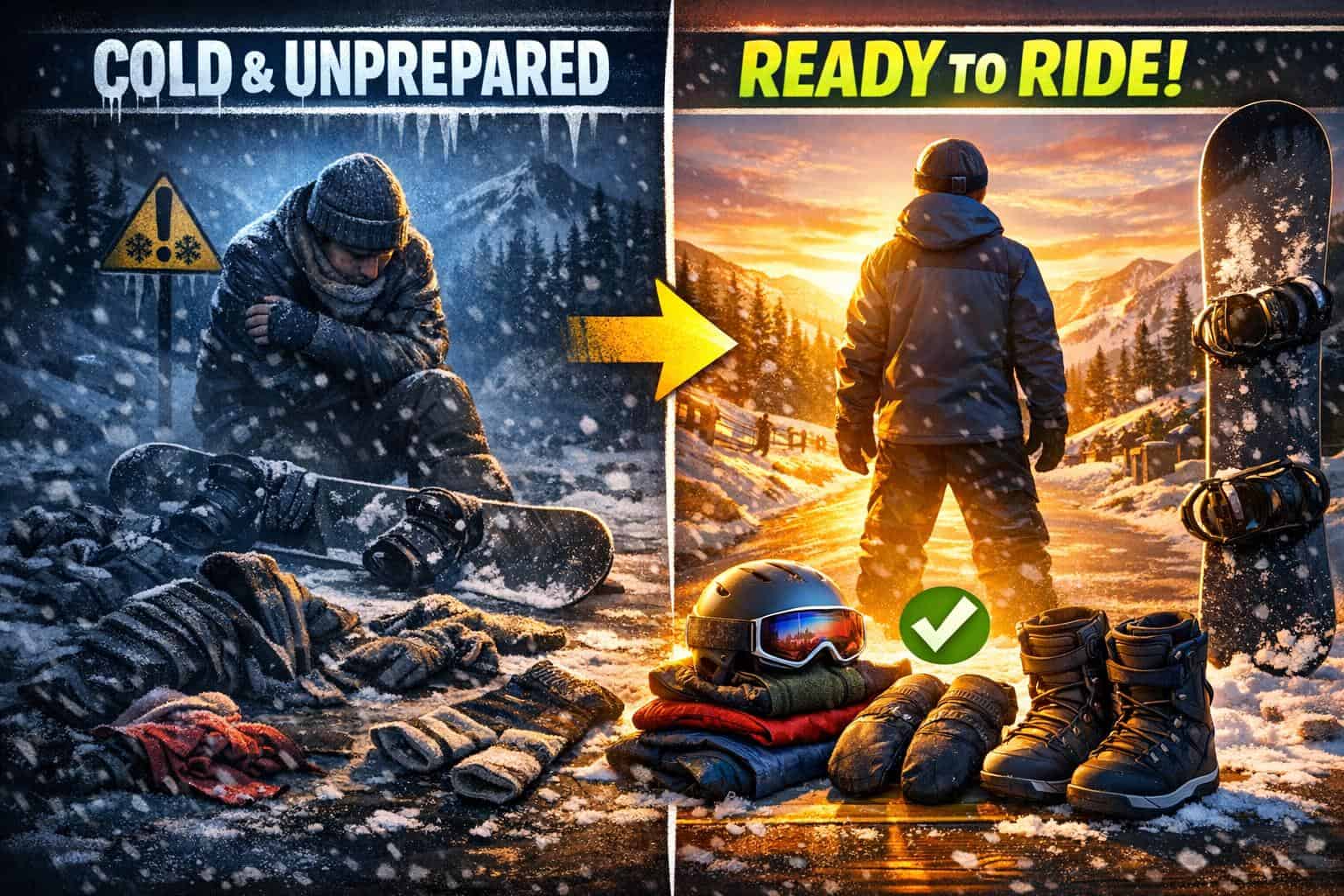
Use this warmth hierarchy:
- Stay dry next to skin: Wear non-cotton base layers and proper socks.
- Add insulation: Use fleece, wool, or another warm midlayer based on weather.
- Block snow and wind: Choose waterproof outerwear that lets you move.
- Protect hands and feet: Prioritize warm waterproof mittens and snowboard socks.
- Seal the gaps: Use a neck gaiter, helmet, goggles, and cuffs that overlap properly.
A beginner with a beautiful jacket but cheap gloves and cotton socks can still be miserable. She might look prepared in the parking lot, then spend the day shaking out wet hands, adjusting socks, and wondering why her toes are freezing. Another rider in borrowed waterproof pants, a simple synthetic base layer, solid mittens, and one pair of snowboard socks may be much more comfortable because her system has fewer failure points.
If your hands run cold, consider mittens before thin gloves. Mittens keep fingers together, which often feels warmer. If you are learning, waterproofing matters because you will sit, kneel, and fall. That is not embarrassing. That is snowboarding.
The budget objection is real. You may only be planning one trip, and it makes no sense to buy the most technical version of every item. Reuse compatible non-cotton athletic layers when you can. Borrow quality outerwear if it fits and is waterproof. Spend where discomfort is most likely: hands, feet, head, visibility, and waterproofing.
As you ride more, upgrades like better mittens, vents, higher waterproof ratings, lens choices, and weather-specific layers become more valuable. Spring days may need lighter insulation and sun protection. Storm days may demand stronger waterproofing and face coverage. First, build a reliable base system.
Where Burton and Established Snowboard Brands Fit Into a Beginner Gear Plan
Recognizable snowboard brands can be helpful when you are trying to avoid random gear guesswork. Burton is one of the familiar names beginners often encounter while comparing snowboard boots, outerwear, boards, bindings, helmets, goggles, and accessories.
But a familiar logo is not a fit guarantee.
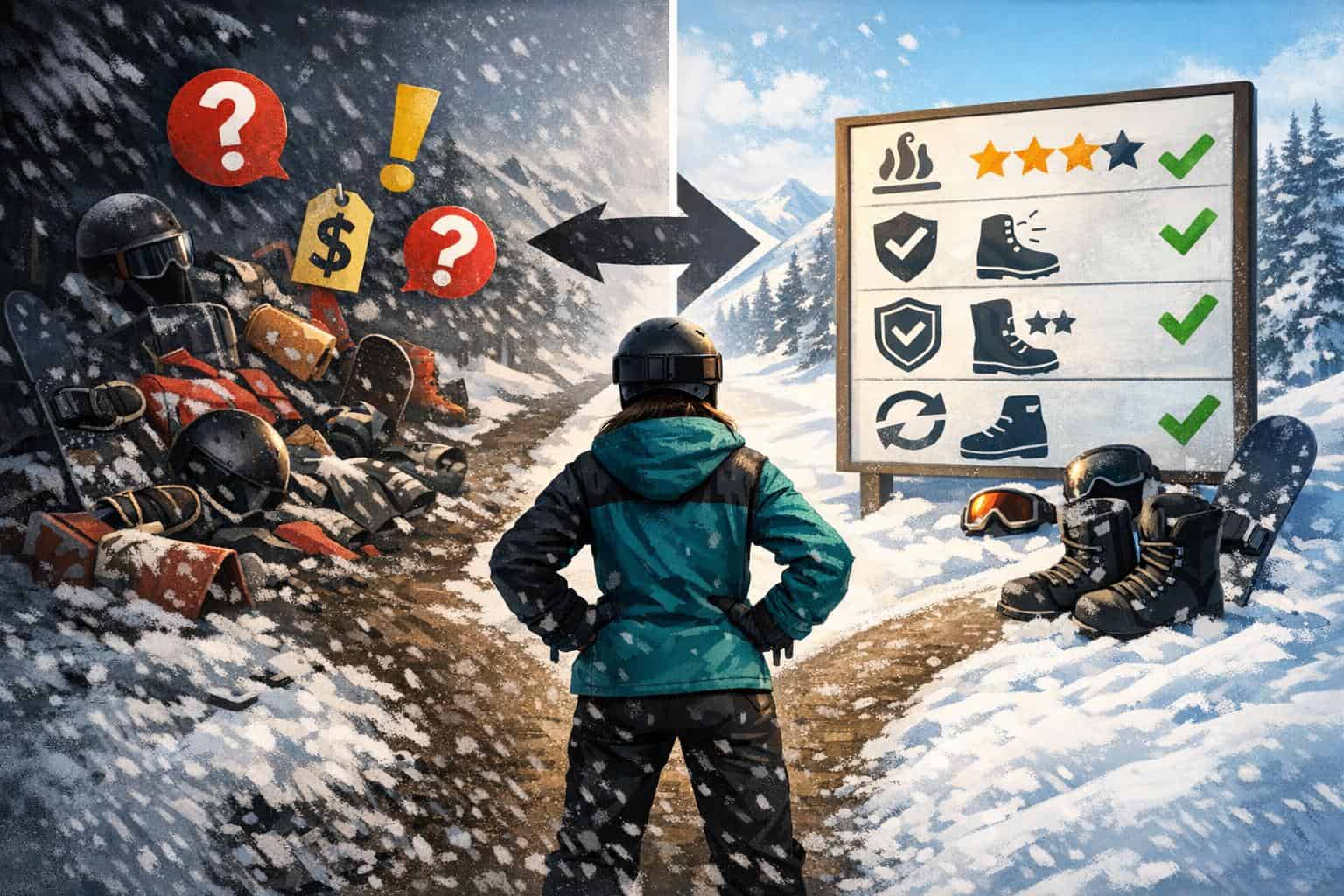
Brand reputation should help you shortlist, not shut off your judgment. It is like choosing a trusted outdoor brand for hiking. The brand may signal that the product was designed for the activity, but your size, use case, return window, climate, and comfort still decide whether it belongs in your setup.
A beginner comparing a known snowboard-specific item with a random bargain-cart item may feel stuck between overspending and buying junk. The smarter move is to compare criteria: Is it designed for snowboarding? Does it fit with layers? Can it be returned? Is the flex beginner-friendly? Are the mittens waterproof? Do the goggles seal? Does the boot hold the heel? That process is more reliable than buying the cheapest item or the most recognizable logo.
For intermediate riders, the brand conversation becomes more category-specific. You might like one brand’s boots but choose another brand’s goggles or pants. Experienced riders may choose models within a brand for specific flex, terrain, lens systems, or weather needs. Beginners do not need to solve all of that today.
If you want a deeper look at how the brand fits into a beginner setup, read our Burton snowboard gear review.
Common Beginner Snowboard Gear Mistakes That Make the First Day Harder
Small gear mistakes are like tiny leaks in a backpack. Each one seems manageable on its own. Then suddenly the whole day feels soaked.
Avoid these beginner traps:
- Buying a snowboard before understanding your riding style: you may choose the wrong flex, size, or profile before you know what you enjoy.
- Choosing boots too big: they can feel comfortable in the store but create heel lift and poor control on snow.
- Wearing cotton base layers: cotton holds moisture and can make you feel cold once you sweat or sit in snow.
- Wearing regular socks or doubling socks: bunching and pressure can make feet colder and more painful.
- Using thin gloves in cold conditions: wet or frozen hands shorten the day fast.
- Ignoring helmet and goggle fit: shifting helmets and goggle gaps affect comfort, warmth, and visibility.
- Assuming smaller men’s gear will fit women well: it might, but it needs to pass movement and fit checks.
- Forgetting beginners fall and sit often: weak waterproofing is more noticeable when you are learning.
Picture the day as a timeline. You start excited. By run two, the gloves are damp. By run three, cotton leggings feel cold. At lunch, oversized boots have rubbed your shins and your goggles keep fogging because they do not fit your helmet well. None of these mistakes seems dramatic alone, but together they turn a learning day into a survival day.
If you already bought something that might be wrong, do not panic. Fix the highest-impact issues first: boots that hurt, missing helmet, bad socks, non-waterproof gloves, cotton base layers, and pants that will soak through. Some gear choices become preference-based later. Beginners should first remove avoidable discomfort.
- Prioritizing comfort and safety keeps you on the mountain longer.
- Renting technical ride-style gear gives you time to learn your preferences.
- Checking women’s fit points reduces cold gaps, pressure, and restricted movement.
- Spending on socks, mittens, goggles, and layers can improve day-one comfort more than buying a board early.
The false belief is that you need to look fully equipped to be ready. You do not. You need to be warm, visible, protected, and able to move. That is the beginner setup that actually supports learning.
Your Next Step: Build a First-Trip Setup, Then Compare Specific Gear
A first snowboard setup is a starter kit, not a forever kit. You are not trying to predict every future preference before your first lift ride. You are trying to make day one warm, safe, comfortable, and easier to learn from.
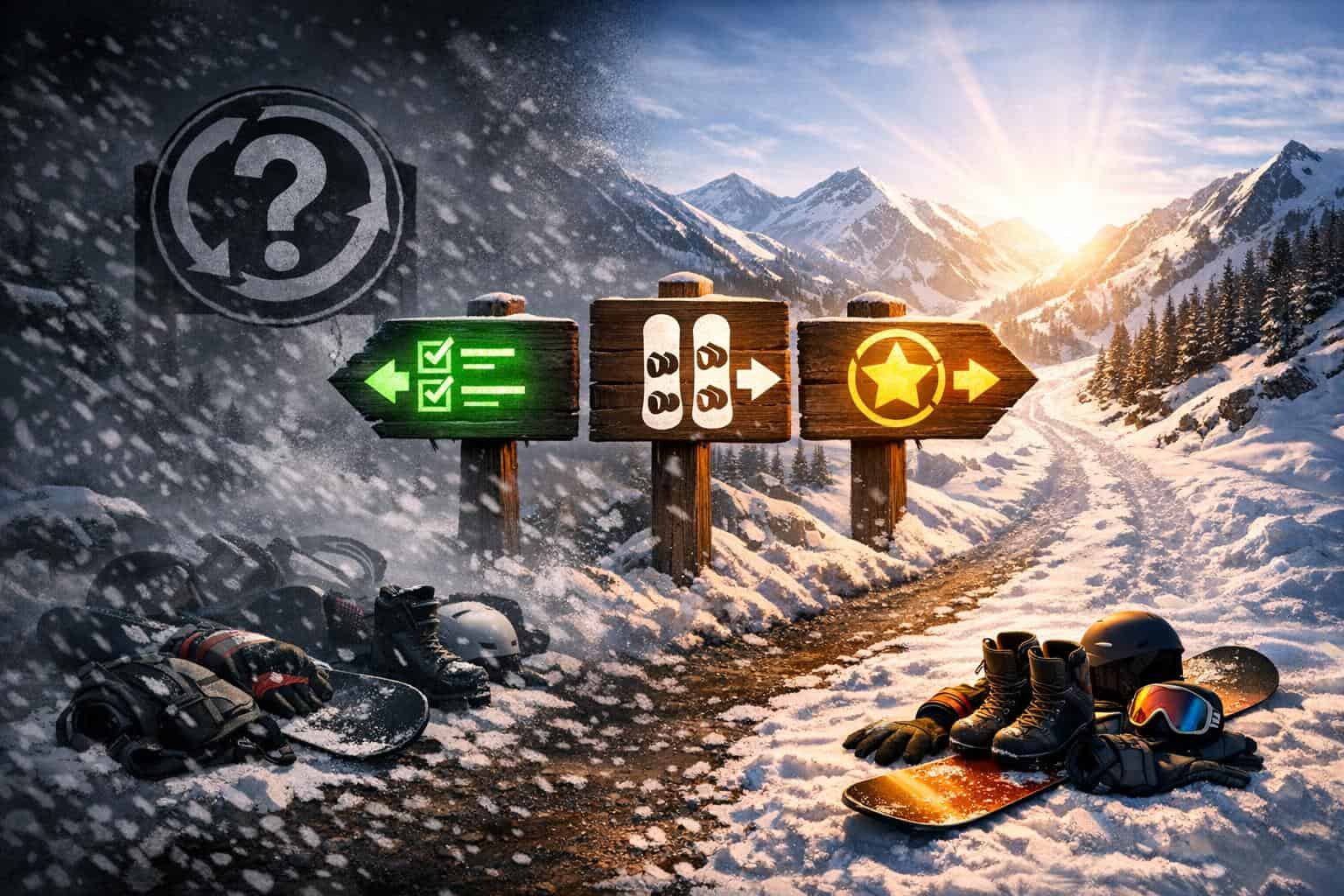
Use the final order:
- Protect: helmet, goggles, face coverage, sunscreen.
- Stay warm and dry: base layers, waterproof outerwear, mittens, socks, neck gaiter.
- Solve fit: especially boots, gloves, helmet, goggles, and pants.
- Rent the technical ride gear: snowboard and bindings until you know your stance and riding preferences.
- Compare later: once you know what hurt, what felt good, and what kind of riding you want to do again.
Think back to that night-before-trip version of you with too many tabs open. The goal is not to close every question forever. The goal is to close the wrong questions first. You do not need to become a gear expert overnight. You need a plan that keeps you from overspending in the wrong order.
If you want specific product categories next, go to our beginner women’s snowboard gear picks. If you are comparing a familiar brand, read how Burton gear fits into a beginner setup.
For brand-name gear you are already considering, check category fit, return policy, beginner suitability, and current pricing only after you know which gear bucket matters most.
The transformation is simple: you go from a cart full of guesses to a first-trip system. Warm hands. Dry layers. Secure fit. Clear visibility. Rented ride-style gear until you know what you like. That is enough to step onto the snow focused on learning instead of worrying.
The Gear Lady evaluates gear using the Ergonomic Matrix — a published framework applied to manufacturer specs, standards ratings, and aggregated owner reports from women who share their measurements. We don’t field-test every product we cover. We earn commission on some links — as an Amazon Associate, The Gear Lady earns from qualifying purchases — and it never affects a score.