
Rossignol Soulside Review: Easy-Turning Beginner Snowboard for Women

A forgiving women’s snowboard for learning turns without feeling like the board is trying to punish you.
You are at the top of a mellow green run, watching other riders drift away like this is easy. Your board is strapped in. Your legs are already tense. Not from speed. From bracing.
This is the moment this rossignol soulside review is really about: the pause before the next turn, when you are trying to convince yourself to roll onto a new edge without getting thrown onto the snow again.
Maybe you rented twice. Maybe toe-side turns still feel like a trapdoor. Maybe you are tired of being told to just bend your knees when what you really want is a snowboard that does not feel twitchy, harsh, or overbuilt for where you are right now.
The Rossignol Soulside is not designed for riders trying to dominate steep lines, charge fast, or lay down aggressive carves. It is built for beginner women who want a softer flex, easier turn initiation, and a calmer path from skidded turns to linked turns.
Best for
- Beginner women learning to link turns
- Riders who want a soft, forgiving, easy-turning board
- Smaller-footed riders comparing package options with boots down to size 5 through select retailers
- Casual resort riders who value confidence over power
Not ideal for
- Intermediate riders who already want stronger edge hold and speed stability
- Aggressive carvers who like a stiff, responsive board
- Freestyle-first riders looking for a true twin park board
- Powder-focused riders who need more float and specialty shaping
If you are still comparing beginner-friendly options, you may also want the broader guide to the best beginner women’s snowboards. If you are already torn between this board and a few similar models, jump later to the comparison section or see the Salomon Lotus vs Rossignol Soulside vs Burton Hideaway breakdown.

Quick Verdict: Who Should Buy the Rossignol Soulside?
Buy the Rossignol Soulside if you want your first board to feel patient. A forgiving snowboard is like a patient dance partner: you still have to lead, but it does not punish every awkward step.
The main reason to consider it is not because it is the most powerful board in the category. It is because the design points toward lower-friction learning. The soft 3/10 flex should take less effort to bend and steer at slower speeds. The AmpTek Auto-Turn profile is rocker-dominant, which generally supports easier turn initiation than a more demanding full-camber board.
Picture a rider named Mia. She has rented twice, made it down greens, and fallen hard on toe-side transitions. She is not trying to master park jumps. She just wants to stop freezing every time her board points downhill. For Mia, the Soulside makes sense because the priority is repeatable practice, not maximum performance.
The objection is obvious: will buying a beginner board be a waste if you improve quickly? Maybe, if you are already charging blues and craving stronger response. But if the board helps you ride more often with less fear, that confidence can be worth more than theoretical progression you are not ready to use yet.
The Beginner Problem This Board Is Trying to Solve
The hardest part of early snowboarding is often not the slope. It is the hesitation. You know the next turn has to happen, but your body remembers the last edge catch.
Learning on the wrong board can feel like learning to drive in a twitchy manual sports car in traffic. Every movement feels too sensitive. Every mistake gets loud. That does not mean the problem is only the board. Skill, lessons, stance, snow conditions, and confidence all matter. But board personality matters too, especially during the first season.
A softer, easier-turning board can reduce intimidation because it usually takes less aggressive pressure to start steering. For a beginner making slower, less forceful movements, that matters. For an improving intermediate rider, that same softness may eventually feel less precise. For an advanced rider, it can feel underpowered.
Here is the real-world version: Mia starts every run by side-slipping longer than she wants to. Her rental setup feels unpredictable, so she overcorrects, stiffens up, and catches an edge again. A forgiving board will not magically teach technique, but it can make the practice loop less punishing. Instead of spending the whole run defending against the board, she has a better chance to focus on looking where she wants to go, flexing her knees, and linking one controlled turn after another.
What most people get wrong is assuming a beginner board is just a cheaper board. The better question is whether the shape, flex, and profile match the way a beginner actually moves on snow.
Rossignol Soulside Specs That Actually Matter for Beginners
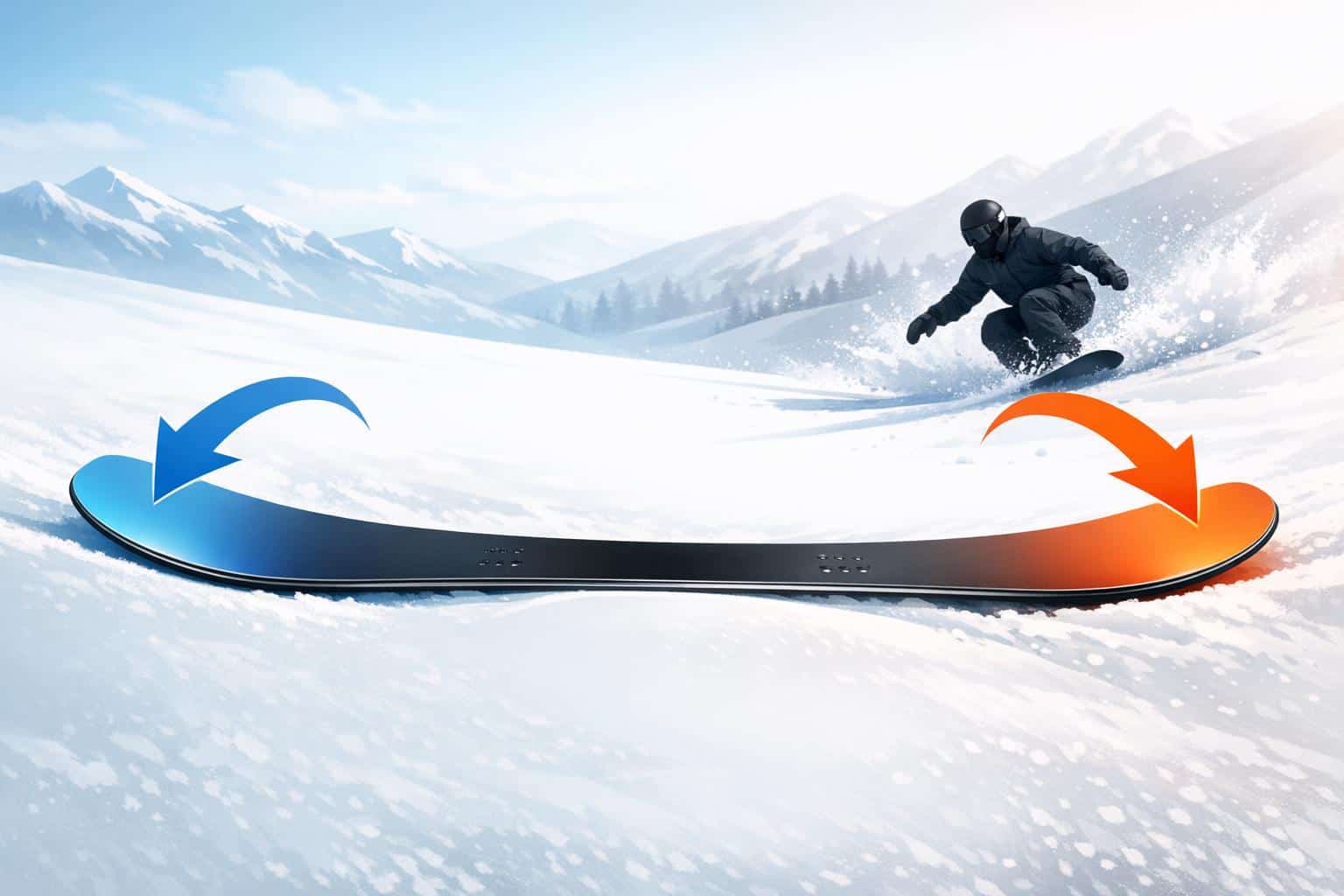
Specs only help if you can translate them into how the board may feel under your feet. Here are the Soulside details that matter most for a beginner buyer.
| Spec | What it means for you |
|---|---|
| Category | Women’s beginner snowboard |
| Available sizes | 141, 145, 149, and 153 cm |
| Flex | Soft 3/10 flex for a more forgiving feel |
| Profile | AmpTek Auto-Turn with 70% rocker and 30% camber |
| Shape | Directional shape for general resort riding |
| Sidecut | Deep progressive sidecut designed to support easier turning |
| Package availability | Select retailers offer complete setups with bindings and boots, including smaller boot sizes down to size 5 |
| Sizing caveat | Rider weight guidance was not found in the reviewed product pages, so verify sizing with the retailer before buying |
Think of the rocker-dominant profile like rounding the sharp corners off the learning curve. Rocker can make it easier to initiate turns because the contact points are less demanding than on a more aggressive camber-dominant board. The camber portion still adds some structure, but the overall personality points beginner-friendly.
For a beginner, the 3/10 flex means the board should be easier to bend with lighter pressure. For an intermediate rider, that can be comfortable on mellow groomers but may start to feel limiting if she wants stronger edge response. For an advanced rider, the same softness is the hidden risk: it may not offer the support or precision she expects.
A practical example: a rider who keeps overcorrecting on rentals may find a softer board easier to steer at slow speeds because she does not need to drive it as hard. But that does not replace correct stance or instruction. The board can widen the lane while you learn to steer; it cannot steer for you.
False belief correction: specs do matter even if you are brand new. You do not need to obsess over every construction detail, but flex, profile, size, and boot compatibility can change whether your first setup feels approachable or exhausting.

How the Soulside Should Feel on Snow
Based on its specs, the Soulside should feel easiest to appreciate on mellow groomers, slower turns, and early progression days. Its calling card is likely easy turn initiation, not high-speed authority.
It is more like a calm instructor than a demanding coach. A demanding board asks for commitment, speed, and strong technique before it rewards you. A calmer beginner board gives you more room to make imperfect movements while you are still figuring things out.
For a brand-new rider, that can mean less fear when starting a turn. For an improving rider, it can mean comfortable cruising while building consistency. For a more advanced rider, it signals the limitation: this is not the board I would choose for hard charging, deep carving progression, or a powerful all-mountain feel.
Imagine a rider who has finally started linking green-run turns. She is still skidding some turns, still stopping to reset, but she is no longer in survival mode. On a board like the Soulside, the win is not that she suddenly becomes fast. The win is that practice feels repeatable. She can try the next turn without feeling like every small mistake will become a crash.
The objection: will a soft board feel unstable? It can, especially as speed increases or if you start pushing hard into carves. But at the beginner stage, the bigger issue is often control at manageable speeds. If you already ride fast and want a board that locks in under pressure, the Soulside probably sits too far on the friendly side.
A simple decision framework
Use this filter before you buy:
- If your main fear is catching edges while learning turns, the Soulside fits the problem.
- If your main goal is mellow resort cruising, it still makes sense.
- If your main goal is aggressive carving or speed, compare stiffer options.
- If you are buying a package, prioritize boot fit as much as board convenience.
- If sizing is uncertain, verify the recommended board length with the retailer before checkout.
What I Like: The Pros for Beginner Women
The best thing about the Soulside is that its strengths line up with what many first-season riders actually need. Not fantasy progression. Not expert-level edge hold. Confidence.
- Soft 3/10 flex: More approachable for riders who are still learning how much pressure to apply.
- Rocker-dominant AmpTek Auto-Turn profile: Built around easier turn initiation and forgiveness.
- Beginner-friendly women’s sizing: Available in 141, 145, 149, and 153 cm.
- Complete package options: Select retailers offer packages with bindings and boots, including smaller boot sizes down to size 5.
- Potential value appeal: It may be especially appealing when found as a previous-season discounted model, as long as the size and fit are right.
These features are like widening the lane while you learn to steer. You still need lessons, repetition, and patience, but the board is not asking you to ride with expert-level power before you can feel control.
Consider a smaller-footed beginner who has spent more time worrying about boots than boards. The package availability matters because it can reduce the overwhelm of matching snowboard, bindings, and boots. That does not mean every package is automatically perfect. It means the buying process may be simpler if the boot fit works and the retailer confirms sizing.
The objection here is whether a package setup is lower quality than buying each piece separately. Sometimes separate buying gives you more customization. But for a beginner who wants a coherent first setup, a package can be a smart shortcut if the components fit properly and the total setup matches her riding stage.
If you want to compare similar easy-turning boards before deciding, start with the broader best beginner women’s snowboards guide.
What to Watch Out For Before You Buy
Most beginner snowboard reviews rush into construction details. But a nervous beginner does not start with construction. She starts with one question: will this board make learning feel less scary, or will I fight it all day?
That is the right question. But it needs a second half: will this board still fit the way I want to ride next?
The Soulside’s forgiving personality is its strength and its tradeoff. A gentle first car is great when you are learning in traffic. It is not the car you choose if you already want a race track setup.
- May feel too soft for fast progression: If you quickly move into stronger carving or higher speeds, you may want more response.
- Not a park twin: The directional shape is better suited to general resort riding than a freestyle-first setup.
- Not built as an aggressive all-mountain board: Riders who like stiff, powerful boards should look elsewhere.
- Sizing needs verification: Rider weight ranges were not available in the reviewed product pages.
- Boot fit still matters: A package option is convenient, but uncomfortable boots can ruin the day.
Here is the scenario to avoid: a rider has already started carving blues and now wants more speed stability. She sees the Soulside discounted and buys it because the price feels safe. After a few days, she realizes the soft flex does not give her the power she wanted. The mistake was not buying a beginner board. The mistake was buying for price instead of fit.
The fear of outgrowing it in one season is valid. The counterpoint: if you are truly still building basic control, choosing a board that helps you practice consistently may be the better investment than buying too much board too soon.
Rossignol Soulside vs Other Beginner Women’s Boards

Choosing among beginner boards is like choosing shoes for a hike: the right one depends on the route, your feet, and how hard you plan to push. There is no universal winner.
The Soulside makes the most sense when your first priority is easy turns and confidence. But if you are balancing forgiveness against longer progression room, brand preference, package details, or a different ride personality, it is worth comparing before you buy.
| If you care most about… | What to do |
|---|---|
| Easiest-feeling turn initiation | Keep the Soulside high on your list |
| A forgiving first personal setup | Soulside is a strong match if sizing works |
| More progression runway | Compare alternatives before committing |
| Freestyle or twin-leaning riding | Look beyond the Soulside’s directional beginner setup |
| Aggressive carving or speed | Skip this category and look for a stiffer, more responsive board |
| Package convenience | Compare boot sizes, bindings, return policies, and fit support |
A practical example: one rider wants the easiest possible path to linking turns on mellow runs. Another rider is also a beginner, but she is athletic, already comfortable at speed, and expects to push into carving quickly. The first rider may be happier with the Soulside. The second should compare beginner-friendly alternatives before deciding.
The objection is whether you should keep researching forever. No. Research is useful until it clarifies the decision. If you are still choosing between the Salomon Lotus, Rossignol Soulside, and Burton Hideaway, use the dedicated Salomon Lotus vs Rossignol Soulside vs Burton Hideaway comparison to narrow the fit.
The Best-Use Case: Confidence Over Power
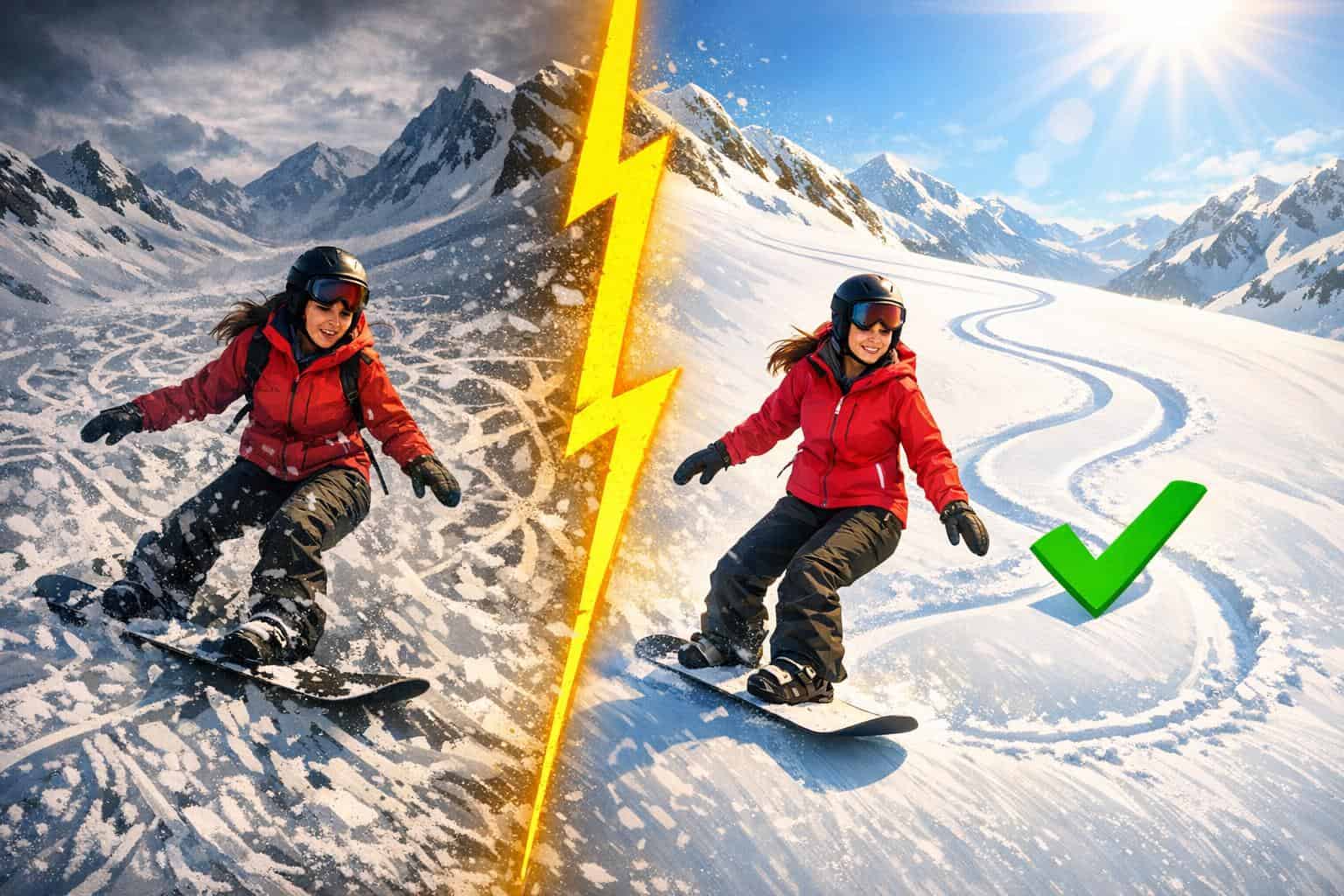
The Soulside’s best use case is not dramatic. It is better than that. It is the ordinary beginner victory of making it down a mellow run with fewer panic stops, smoother S-turns, and a little more trust in your edges.
That is the transformation most beginner riders actually want. Not instant mastery. Not looking like an expert by lunch. Just less dread before each turn.
Think of it like choosing a calm practice partner. If you are still learning timing, rhythm, and balance, the right partner helps you reset quickly after a mistake. The wrong one makes every mistake feel bigger.
Mia’s win is simple: she chooses a board that matches her current stage instead of her imagined expert future. She still falls. She still has awkward turns. But she starts getting more reps because she is less mentally exhausted. By the end of the day, she is not thinking, I survived. She is thinking, I want another run.
The objection: am I settling by choosing a beginner board? Not if your goal is to learn with less friction. Settling is buying a board because it is cheap, popular, or intimidating in a way that makes you ride less. Choosing forgiveness on purpose is strategy.
Final Recommendation: Buy It If You Want Forgiveness First

The Rossignol Soulside is a strong fit for beginner women who want easy turn initiation, soft flex, and a board that feels less intimidating while learning linked turns.
Its main tradeoff is clear: friendly learning feel over aggressive performance. That is not a flaw if you are still building confidence. It is the point.
Buy it if your current goal is to make practice feel more repeatable on mellow resort terrain. Compare before buying if you already ride fast, want stronger carving response, or worry that a soft beginner board will feel limiting too soon. And before checkout, verify your size, package details, boot fit, and current availability with the retailer.
If you are still unsure, use the best beginner women’s snowboards guide for a wider view, or compare the Salomon Lotus vs Rossignol Soulside vs Burton Hideaway side by side.
If you are still learning to trust your edges, choose the board that makes practice feel repeatable. The right first board should not make you feel smaller. It should help you come back for the next run.
The Gear Lady evaluates gear using the Ergonomic Matrix — a published framework applied to manufacturer specs, standards ratings, and aggregated owner reports from women who share their measurements. We don’t field-test every product we cover. We earn commission on some links — as an Amazon Associate, The Gear Lady earns from qualifying purchases — and it never affects a score.
