
Burton Snowboard Gear Review for Beginners 2026

Burton Feels Like the Safe Snowboard Gear Choice. But Is It the Smart Beginner Choice?
You are one click away from buying, and somehow the decision feels less clear than it did an hour ago.
One tab has Burton. One tab has cheaper snow gear that looks warm enough. Another has familiar outdoor brands you already trust for rain jackets, hiking layers, or winter errands. This burton snowboard gear review is for that exact moment: when you are not trying to become a gear expert, you just want to avoid showing up cold, wet, stiff, or obviously underprepared.
Picture a beginner rider before a three-day trip. She has watched a few videos, booked the lesson, and now she is staring at pants, jackets, gloves, base layers, and sizing charts. Burton feels like the safe snowboard-specific choice, but the price makes her hesitate. What if she only rides a few times? What if the cheaper setup is fine? What if the jacket fits standing up but pulls tight when she bends over to strap in?
The goal here is not to worship Burton or shame budget gear. The goal is much more practical: decide whether Burton solves enough beginner problems to justify paying more.
Quick answer: Burton is a strong fit for beginners who want snowboard-specific gear from an established brand and plan to ride more than a one-off weekend. It is not automatically the right buy if you need the lowest possible upfront cost, only ride once a year, or have not checked current sizing, return policies, and model details carefully.Decision shortcut: Choose Burton if you want category-specific trust and expect several real mountain days. Compare alternatives if price is the main concern or you want crossover outdoor gear. Skip premium gear for now if this is a one-time rental trip.
Best for
- Beginners who want a trusted snowboard-specific brand instead of generic cold-weather clothing
- New riders who expect to fall, kneel, sit on snow, and spend time on chairlifts
- Women comparing fit, mobility, warmth, sizing, and layering room before buying their first setup
- Product-aware shoppers deciding whether Burton is worth more than budget alternatives
Not ideal for
- One-trip riders who only need basic rental-day coverage
- Shoppers who want the cheapest possible setup
- Anyone who needs one jacket or pant system for many non-snowboard outdoor sports
- Buyers unwilling to verify current model details, sizing charts, and return policies before purchase
If you are already leaning Burton and just need to check today’s options, start here:
Still comparing paths? You can also compare Burton, Columbia, and The North Face for beginner snowboard gear before deciding.
The Quick Verdict: Burton Is Beginner-Friendly, but Not Automatically the Right Buy
Burton makes the most sense when you want snowboard-specific gear from a brand built around the sport, and you plan to use it enough for the extra spend to matter. For a beginner, that does not mean you need the fanciest setup. It means your jacket, pants, gloves, and layers should not fight you while you are trying to learn.
Beginner-friendly gear is a little like sport-specific shoes. You can technically play tennis in casual sneakers, but the wrong shoe can make every movement feel harder. Snowboarding is similar. You can show up in general winter clothing, but if your pants restrict your squat, your gloves soak through, or your jacket rides up while you sit in snow, the mountain feels more frustrating than it needs to.
A realistic example: imagine a new rider headed for a three-day lesson trip. Day one is full of heel-edge falls and sitting down to reset. Day two is windy, and chairlift rides feel longer than expected. Day three is when the turning starts to click. If her gear stays comfortable enough that she can focus on the lesson instead of wet knees or tight shoulders, the gear did its job. That is where Burton can be a smart beginner choice.
The objection is obvious: beginners are not good yet, so why spend more? The counterargument is just as practical. Beginners fall more, sit more, move awkwardly more, and adjust bindings more often. That means gear friction shows up early. Better-suited gear is not a trophy for being advanced. It can be a support system while you are still learning.
Still, Burton is not a magic answer. If you ride once, have a strict budget, or are still unsure whether snowboarding is your sport, the premium may not be the smartest first move.
Why Beginner Snowboard Gear Decisions Feel So Risky
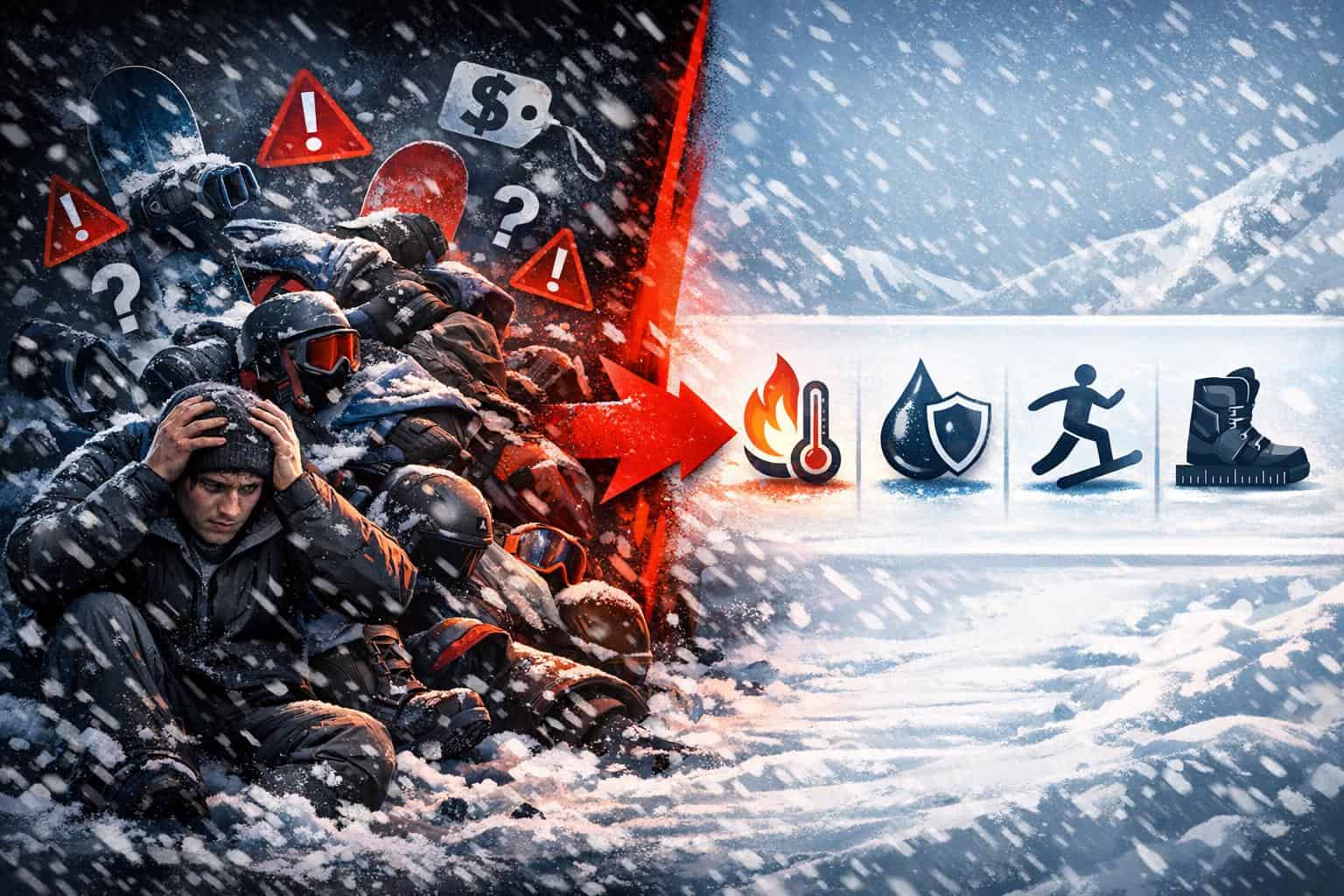
Beginner snowboard gear decisions feel risky because the consequences happen in public, in the cold, and usually after you have already paid for the trip.
You are not just choosing clothes. You are choosing how distracted you might feel while learning. Snowboard gear has to deal with wet chairlifts, repeated falls, wind, kneeling in snow, sitting while strapping in, and body positions that regular winter clothing often does not anticipate.
What most people get wrong is assuming warm-looking winter gear is automatically snowboard-ready. Warmth matters, but it is only one part of the day. You also need mobility, snow resistance, layering space, and fit that still works when you bend, twist, sit, and stand back up over and over.
Think of bad gear like trying to learn to drive with a foggy windshield, a seat stuck too far back, and pedals that feel slippery. You might still learn, but every little problem steals attention from the thing you are actually trying to master.
Here is the kind of mistake beginners make all the time. A rider saves money on basic winter pants because they feel fine in the store. On the mountain, she spends the morning falling backward onto her heel edge. By lunch, the knees and seat are damp, the waistband bunches under layers, and bending down to adjust straps feels awkward. She did not fail because she lacked effort. Her gear simply kept interrupting her lesson.
The false shortcut is buying generic cold-weather gear because it looks warm. For a casual snow walk, that might be enough. For a snowboard day, especially a learning day, it can be the difference between laughing off falls and counting the minutes until you can go inside.
That is why Burton enters the conversation. Not because every beginner needs it, but because a snowboard-specific brand can reduce some uncertainty when you do not yet know which details matter.
What Burton Snowboard Gear Is Really Being Judged On Here

The real question is not simply whether Burton is good. A brand can be established, popular, and snowboard-specific and still be the wrong buy for a one-weekend beginner. A cheap setup can save money upfront and still become expensive if it ruins the trip or needs replacing right away.
The smarter question is this: does your use case make the Burton premium useful?
This review judges Burton through a beginner scorecard, not through technical claims that need current model verification. Before you buy, always check the exact product page, sizing chart, return policy, and current price. Gear changes. Models change. Your body proportions and layering needs matter more than a general recommendation.
Beginner fit scorecard
| Review criterion | What it means for a beginner | Burton fit signal |
|---|---|---|
| Snowboard-specific design | Built around sitting, falling, bending, and lift days | Strong fit if you want category focus |
| Warmth potential | Works with layers for real resort conditions | Check current model and layering plan |
| Waterproofing expectations | Helps reduce wet snow discomfort | Verify exact product details before buying |
| Mobility | Allows squatting, reaching, twisting, and strapping in | Strong reason to try carefully |
| Women’s fit | Accounts for hip, waist, inseam, sleeve, and layering differences | Check sizing and return flexibility |
| Durability expectations | Should handle repeated beginner use better than flimsy gear | Compare based on current product construction |
| Value | Price only makes sense if you use it enough | Best for multiple days or a first season |
A scorecard turns the gear wall from a maze into a trail map. Instead of asking whether Burton is cool, you ask whether it reduces the problems you are most likely to face.
For example, a beginner shopping for pants might be tempted to choose by color and discount. A better test is to mimic the mountain: squat, sit, bend forward, stretch your arms, and imagine strapping in at the top of a run while wearing base layers. If the pants pinch or the jacket pulls while you are standing in a warm room, the issue will not magically improve in wind and snow.
The objection is that review criteria like comfort and mobility sound subjective. They are subjective in feel, but not random in purpose. Each maps to a real beginner problem: wet clothing, cold lift rides, restricted movement, sizing mistakes, or gear that makes learning feel harder than it has to.
Where Burton Makes Sense for New Riders
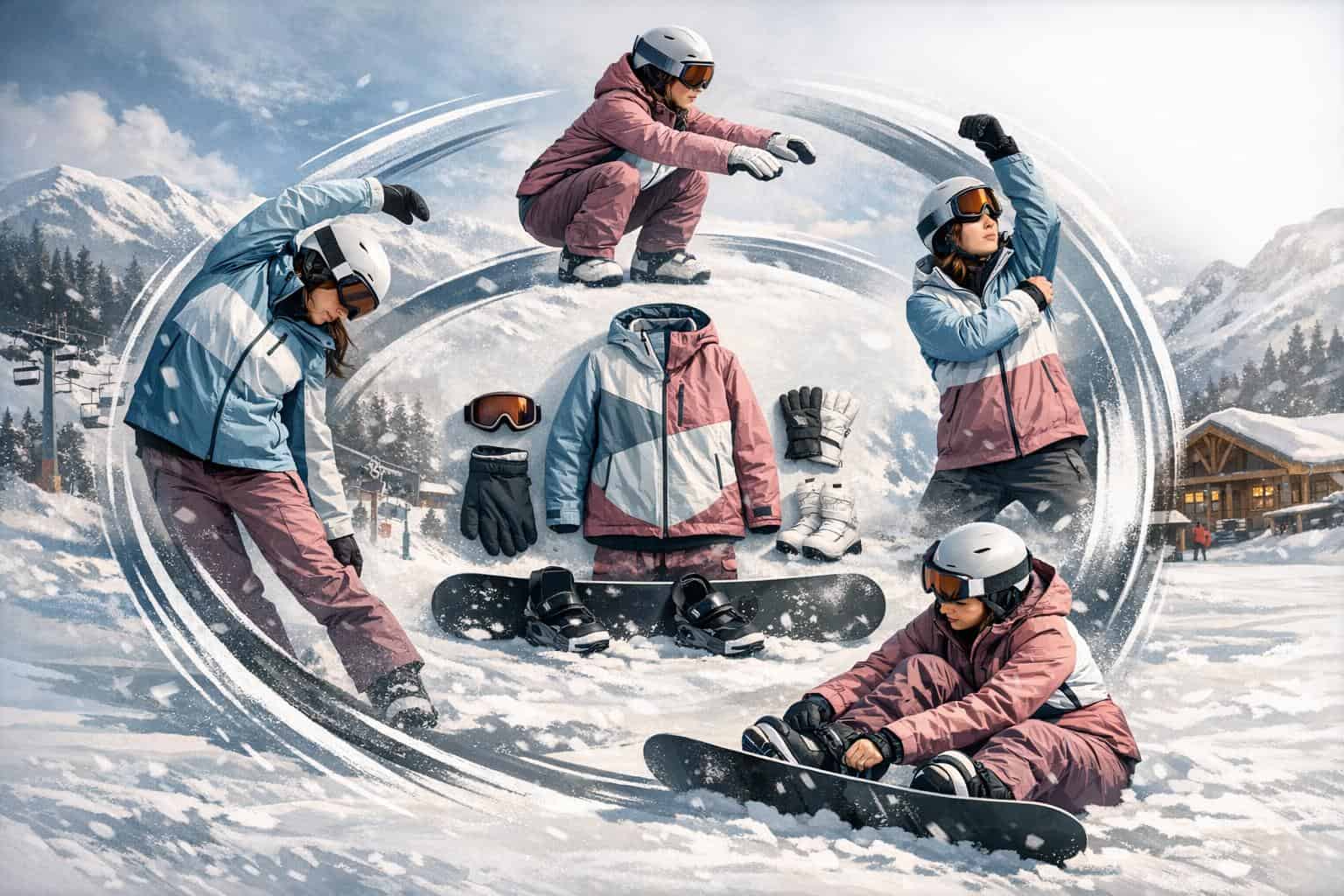
Burton makes the most sense when you want snowboard-specific trust and you are likely to ride enough for that trust to be useful. If you have a multi-day trip, a first season planned, colder resort conditions, or a serious desire to learn without fighting your gear, Burton deserves a close look.
The benefit is not status. It is calm. When you are already processing edge control, chairlift timing, icy patches, and how not to panic during a toe-side turn, the right gear becomes a quiet support system. It should let you bend, fall, sit, warm up, and try again without becoming the main story of the day.
For women beginners, fit deserves extra attention. Do not only ask whether a size technically closes. Ask whether the jacket gives layering room without swallowing your shoulders, whether pants work for your waist and hips at the same time, whether the inseam fits boots and bindings, whether gloves allow grip and warmth, and whether sleeve length still works when your arms are forward.
A practical scenario: a woman buying before her first season pass tries on snowboard pants with her base layer and midlayer. She squats, reaches down as if adjusting bindings, and checks whether the waistband digs in. She tests sleeve length with arms extended and makes sure she can return or exchange if the fit changes once paired with other layers. In that case, choosing Burton after a careful fit check can feel justified because she is buying for repeat use, not one photo at the base lodge.
Some beginners worry they will look silly buying a known snowboard brand before they are any good. That fear is understandable, but backwards. Gear is not a medal. You are allowed to buy equipment that helps you learn. The only silly purchase is the one that ignores your actual use case.
If Burton lines up with your ride days, fit needs, and budget, check current options here:
Where Burton May Be Too Much for a Beginner
Burton may be too much if your snowboarding plan is still vague. If you are trying one weekend, riding with borrowed friends, or unsure whether you will come back after the lesson, a lower-cost path can be completely reasonable.
This is the part many review pages skip: spending more does not always reduce regret. Sometimes it just moves regret to your credit card statement. Money put into premium outerwear might be better spent on lessons, lift tickets, rentals, or properly fitted boots depending on where you are in the process.
Do not buy the full kitchen if you are only trying one cooking class. If the trip is a test, a test-level gear strategy may fit. That could mean renting some items, borrowing from someone with appropriate snow gear, or choosing budget snowboard gear that covers the basics while you decide whether the sport sticks.
Consider a one-weekend rider who is joining friends for a casual trip. She has no season pass, no second trip planned, and a tight overall budget. If she spends heavily on outerwear, she may have less money for a lesson that would make the day safer and more fun. For her, comparing alternatives is not settling. It is allocating money to the part of the experience that matters most right now.
The objection is that avoiding Burton means choosing bad gear. Not true. A budget or outdoor crossover option can be the right choice when expectations are realistic. The problem is not choosing a cheaper option. The problem is pretending every cheaper option will perform like snowboard-specific gear across repeated falls and wet resort days.
If you are unsure whether Burton is too much or just right, use the side-by-side guide to compare Burton, Columbia, and The North Face for beginner snowboard gear.
Pros and Cons of Choosing Burton as Your First Snowboard Gear Brand
A clean pros and cons list is the chairlift pause before dropping into the decision run. You are not trying to crown a universal winner. You are trying to see the tradeoffs before you spend.
Pros
- Snowboard-specific brand focus: Burton is a natural consideration for beginners who want gear connected directly to snowboarding rather than general winter use.
- Beginner confidence: When you do not know which details matter yet, a snowboard-specific ecosystem can make the shopping process feel less random.
- Better use-case alignment: Gear intended for snowboarding is more likely to consider movement patterns like sitting, bending, strapping in, and falling.
- Potentially stronger long-term value: If you ride multiple days or continue into a season, paying more can make more sense than replacing an underbuilt setup quickly.
Cons
- Higher upfront cost than budget paths: Burton may be hard to justify for rare riders or one-time trips.
- Current product details still matter: You must verify exact models, materials, sizing, and policies before buying.
- Not automatically the best fit for every body: Women’s sizing, hip and waist fit, sleeve length, glove fit, and layering room still need careful checking.
- Can be overkill: If you need flexible outdoor gear for many sports instead of snowboard-specific gear, another path may fit better.
Here is the realistic middle ground. A rider planning five resort days might reasonably pay more for gear that feels purpose-built. A rider planning one afternoon might not. The same brand can be a smart buy for one beginner and an unnecessary expense for another.
If you want a simple yes or no, the honest answer is: yes, Burton can be beginner-friendly. No, that does not mean every beginner should buy it first.
Burton vs Budget Gear vs Outdoor Brands: Which Path Fits You?
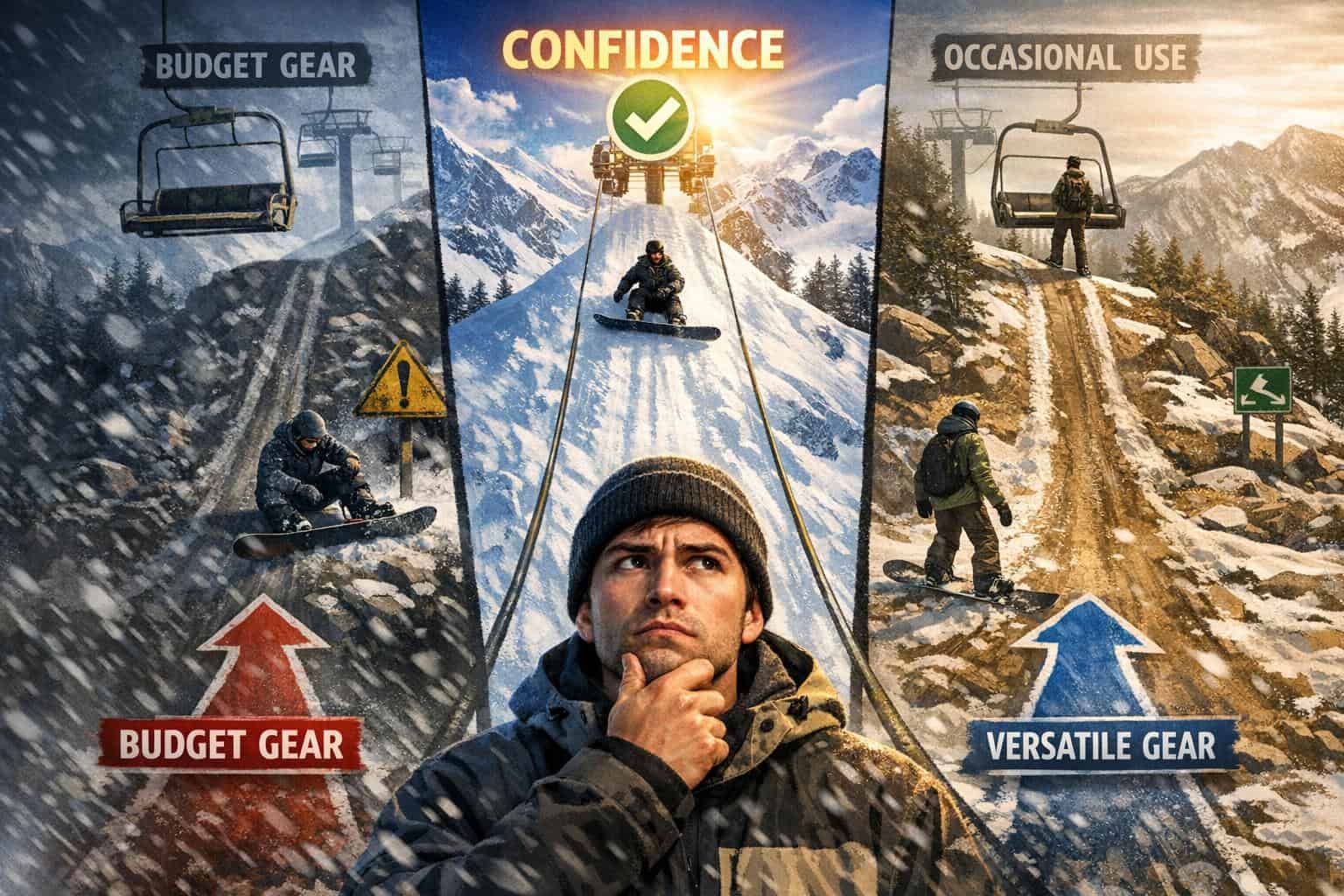
This is not three brands fighting. It is three routes up the same mountain.
Burton is the snowboard-specific route. Budget gear is the lowest-cost route. Outdoor brands are the crossover route. The right choice depends on ride frequency, conditions, fit needs, and how much risk you are willing to accept.
| Path | Best for | Biggest advantage | Biggest tradeoff | Beginner risk | Choose it when |
|---|---|---|---|---|---|
| Burton snowboard gear | Beginners planning multiple snowboard days | Snowboard-specific trust and category focus | Higher upfront cost | Paying more before confirming personal preferences | You want purpose-built gear and expect repeat use |
| Budget snowboard gear | Occasional riders and strict-budget beginners | Lower initial spend | May offer less confidence, fit refinement, or long-term value | Gear may distract if it handles wet snow or movement poorly | You need basic coverage and are still testing the sport |
| Outdoor crossover brands | Riders who want one system for several winter activities | Versatility beyond snowboarding | May be less specialized for snowboard falls and movement | Looks winter-ready but may not solve snowboard-specific issues | You hike, travel, or do varied cold-weather activities too |
A simple decision framework helps:
- If you ride once: rent, borrow carefully, or choose a lower-cost path.
- If you ride several days: Burton becomes more reasonable because comfort repeats.
- If you need one jacket for everything: compare outdoor crossover brands.
- If fit is your biggest fear: prioritize return policies, sizing charts, and movement tests over brand name alone.
- If you are choosing for women’s fit: check waist, hip, inseam, sleeve length, glove fit, and layering room before clicking buy.
Imagine three friends. One has a season pass and wants snowboard-specific gear that will not make every fall miserable. Burton may fit. One is joining for a single weekend and wants to spend more on a lesson. Budget gear may fit. One already hikes and wants a winter kit she can use across activities. An outdoor crossover brand may fit. None of them are wrong. They are solving different problems.
The objection is that comparisons make this more confusing. They only do when the comparison is brand-centered. Once you make it use-case-centered, the choice gets calmer: specialization, versatility, or lowest upfront cost.
For the deeper side-by-side, use this guide to compare Burton, Columbia, and The North Face for beginner snowboard gear.
The Beginner Buyer Checklist Before You Click Buy
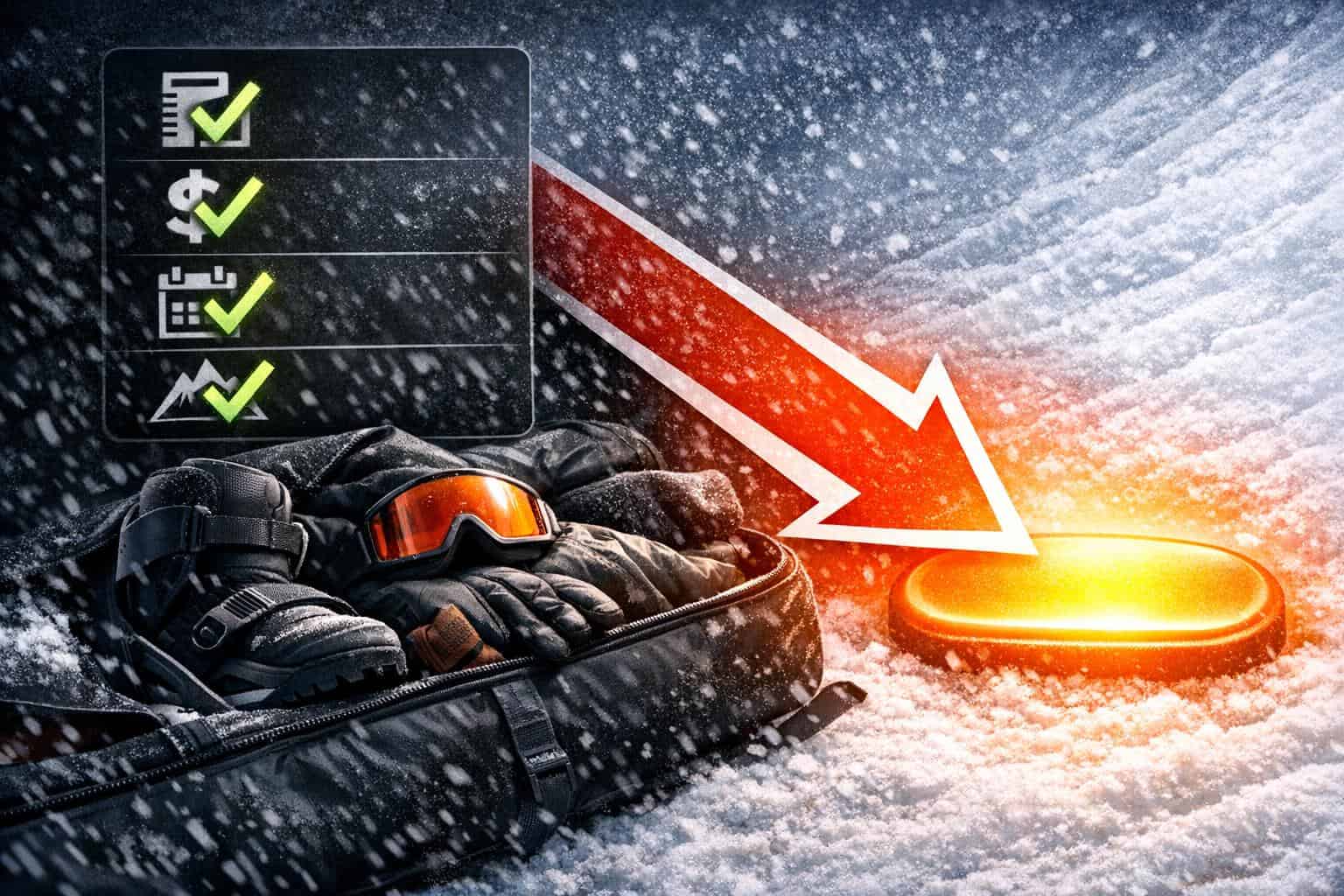
Before you buy Burton snowboard gear, do a calm pre-ride inspection. Check your criteria before the checkout page the same way you would check your bindings before the lift line.
Say yes to Burton only if most of these are true
- You expect more than a one-off snowboard day.
- You want snowboard-specific gear rather than general winter clothing.
- You have checked the current product details instead of relying on brand reputation alone.
- You have reviewed the sizing chart carefully.
- You understand the return or exchange policy.
- You have enough layering room for your expected resort conditions.
- You have tested or pictured mobility: squat, reach, sit, twist, and strap-in positions.
- Women’s fit details have been checked: waist, hips, inseam, sleeve length, glove fit, and layering space.
- The current price still makes sense after considering lessons, rentals, boots, and lift tickets.
A common last-minute save: a reader is ready to buy, then realizes she never checked the return policy. She pauses, confirms whether exchanges are possible, and avoids getting stuck with pants that fit standing up but pinch when bending. That pause is not hesitation. It is smart buying.
If two or more checklist items are uncertain, compare alternatives first. If the checklist mostly confirms your plan, Burton may be a confident next step.
Final Recommendation: Should Beginners Choose Burton Snowboard Gear?
Burton is worth considering if you are a beginner who plans to ride more than a few days, wants snowboard-specific brand trust, and values fit, mobility, and reduced gear uncertainty. It is especially sensible if you are preparing for real resort conditions where falling, sitting, kneeling, and cold chairlift rides are part of the learning curve.
Compare alternatives if your budget is tight, your riding frequency is low, or you want one outdoor system for more than snowboarding. That is not a lesser decision. It is a different route based on a different use case.
The final transformation is simple: you do not need to become a gear expert before your first mountain trip. You need to know whether Burton solves the problems you are actually likely to face. If it does, check the current price, confirm sizing, and buy with more confidence. If it does not, compare before you spend.
The right gear choice should feel like a green-run sign at the top of the hill: clear, appropriate, and confidence-building.
Still unsure? Compare Burton, Columbia, and The North Face for beginner snowboard gear and choose the path that fits your trip, budget, and confidence level.
The Gear Lady evaluates gear using the Ergonomic Matrix — a published framework applied to manufacturer specs, standards ratings, and aggregated owner reports from women who share their measurements. We don’t field-test every product we cover. We earn commission on some links — as an Amazon Associate, The Gear Lady earns from qualifying purchases — and it never affects a score.